

Bulk Purchase Grooming Tools: A Practical Guide for Beauty Businesses
Buying grooming tools in bulk is not only a purchasing decision. For beauty retailers, salons, spas, e-commerce sellers, and distributors, it affects customer trust, repeat sales, service consistency, and brand reputation. A tool that looks acceptable in a catalog can still disappoint users if the finish is rough, the handle is hard to control, or the working ends are poorly shaped. This is especially true for skincare tools such as dual-ended comedone extractors, where precision and comfort matter.
Olimor Beauty works with buyers who need dependable personal care tools wholesale, including stainless steel skincare instruments designed for professional and retail use. This guide explains how to evaluate bulk purchase grooming tools with a buyer’s mindset: what to inspect, what questions to prepare, how to compare samples, and how to reduce avoidable quality problems before placing a larger order.
Why Bulk Grooming Tool Quality Matters More Than Unit Price
When purchasing grooming tools at scale, the lowest unit price can be misleading. A small saving per piece may be lost quickly if customers return products, salons reject inconsistent batches, or online reviews mention weak performance. For skincare tools, the user can feel quality immediately: the balance of the handle, the smoothness of the metal, and whether the tip or loop is shaped correctly for controlled use.
A bulk order should support your business goals rather than create after-sales work. A well-selected tool can help retailers build a reliable skincare accessories category. Salons and spas may use these tools in treatment rooms or offer them for home-care retail, so consistency matters across both professional and consumer settings. Distributors also need products that are easy for downstream buyers to understand, photograph, package, and explain.
Before comparing quotes, define the role of the product in your inventory. Is it a value item for wide retail distribution, a salon-use tool, a personal care accessory set component, or a private-label product for an e-commerce store? The answer will affect how you evaluate finish, packaging, inspection standards, and reorder planning.
What to Look for in Dual-Ended Comedone Extractors
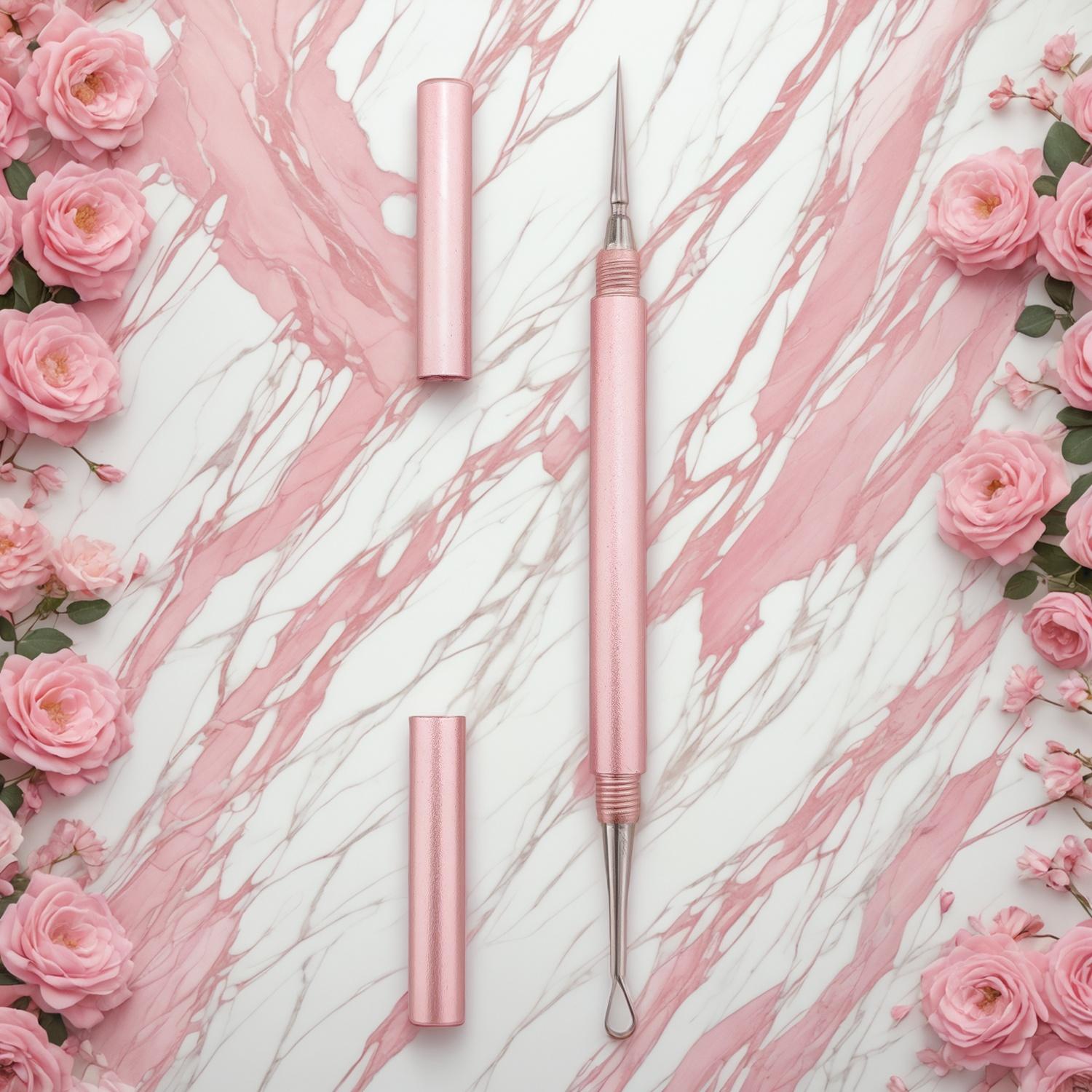
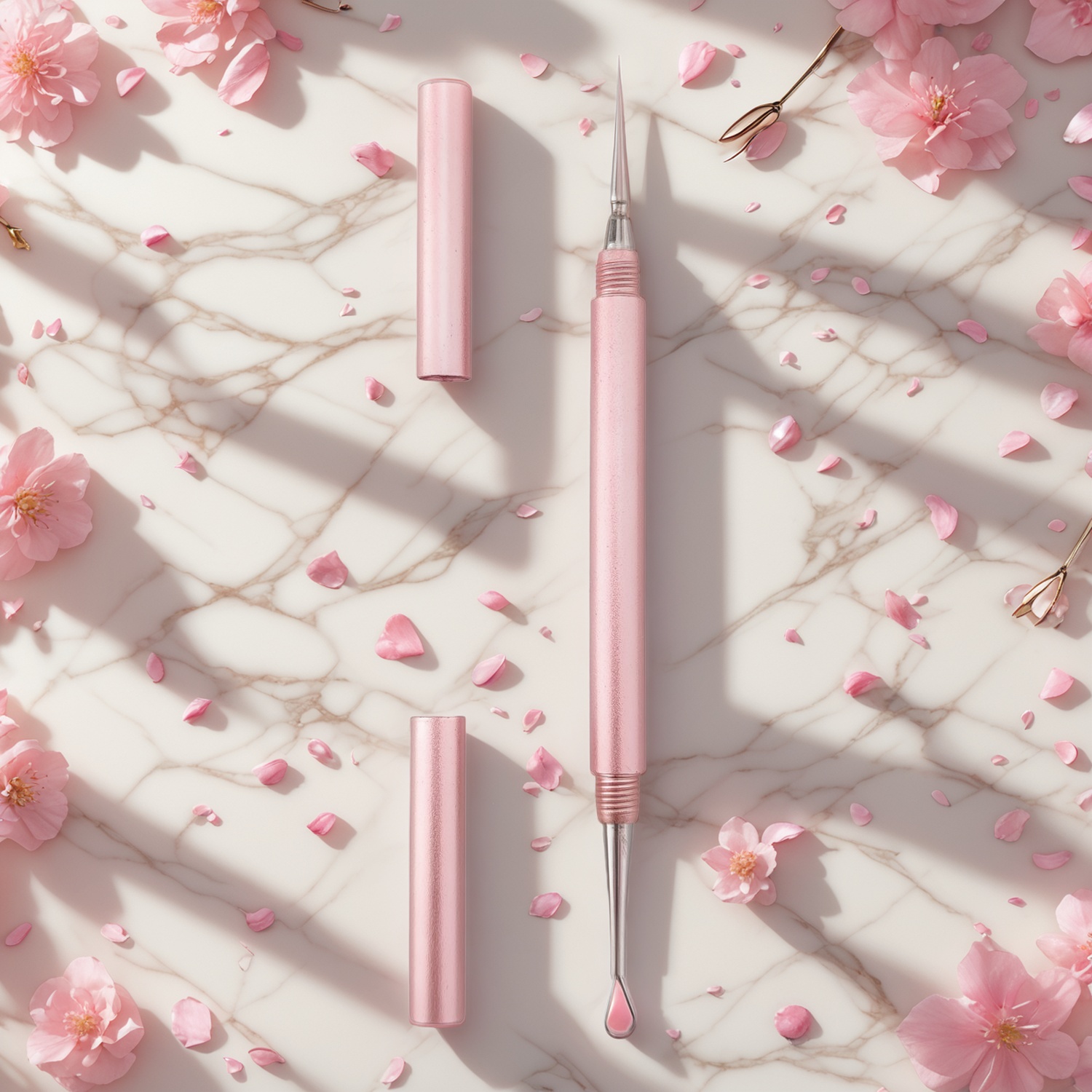
The original product focus for this category is a dual-ended comedone extractor. This type of tool typically combines a precision point for targeted treatment and a classic loop for removing impurities in a more controlled way. Olimor Beauty’s example is crafted from high-quality stainless steel and designed with ergonomic handles for improved control. Those details are important because the tool must feel stable in the hand and allow careful positioning.
When reviewing samples, do not judge only by appearance in a product photo. Hold the tool if possible, rotate it under bright light, and check both ends closely. The working areas should be cleanly formed, and the handle should not feel slippery or awkward. A poorly finished extractor may create a negative user experience even when the material appears attractive.
- Working ends: Check that the precision point and loop are clean, symmetrical, and suitable for controlled skincare use.
- Surface finish: Look for rough edges, visible burrs, scratches, or uneven polishing.
- Grip and balance: The handle should allow steady pressure and accurate positioning without excessive effort.
- Consistency: Compare multiple samples from the same batch to see whether shape and finish remain stable.
- Packaging fit: Ensure the tool sits securely in its packaging and is protected during shipment and display.
How to Compare Beauty Tools Suppliers in China
Choosing a beauty tools supplier in China should involve more than comparing a product image and a quotation. For bulk purchase grooming tools, the supplier’s process can be just as important as the tool itself. A dependable partner should understand the importance of raw material review, in-process checks, final inspection, and packaging control. Olimor Beauty emphasizes internal quality controls throughout production, including checks from raw materials through final packaging.
Buyers should prepare a clear comparison method before contacting suppliers. This keeps the conversation focused and helps avoid vague promises. A useful supplier review can include communication speed, sample accuracy, packaging options, ability to explain the product clearly, and willingness to align with your quality expectations. If you are building a broader beauty category, you can also review related beauty tool products to see whether the supplier’s range supports future purchasing plans.
| Review Area | What to Check | Why It Matters |
|---|---|---|
| Sample quality | Finish, tool shape, handle comfort, and consistency | Shows whether the item is suitable before scaling up |
| Quality control | Raw material checks, production inspection, and final packaging review | Reduces the risk of inconsistent bulk shipments |
| Packaging | Protection, presentation, labeling space, and carton strength | Supports retail display and safer transport |
| Communication | Clear replies, practical recommendations, and accurate confirmation of details | Prevents misunderstandings during production |
| Product range | Related grooming and personal care tools | Helps buyers consolidate sourcing when appropriate |
Sample Review Steps Before a Larger Order
A sample is not just a product preview; it is a practical test of the supplier’s ability to match your expectations. For grooming tools, a structured sample review is especially useful because small differences in finish and balance can change the perceived value of the item.
- Record the intended use. Note whether the tool is for professional salon use, resale, promotional kits, or online retail. This helps your team judge the sample against the right standard.
- Inspect under strong light. Look closely at the stainless steel surface, edges, loop shape, point shape, and handle texture.
- Test handling. Hold the tool as a user would. Check whether the ergonomic handle supports control and whether both ends feel practical.
- Compare multiple pieces. If you receive more than one sample, check for differences in length, polish, and working-end formation.
- Review packaging. Consider whether the tool will arrive in good condition and whether the presentation fits your retail or professional channel.
- Document feedback. Take photos, mark concerns, and confirm changes in writing before moving forward.
This process may take more time than simply approving a photo, but it helps protect your purchase. It also gives your supplier precise feedback, which is easier to act on than general comments such as “make it better” or “improve quality.”
Packaging and Presentation for Retail and Professional Channels
Packaging is often treated as a secondary detail, but it can affect both logistics and customer confidence. A skincare tool may be small, but it still needs to be protected from scratches, shifting, and poor presentation. For retail buyers, packaging also needs to communicate cleanliness, usability, and product purpose. For salon and spa buyers, packaging may be simpler, but it should still keep tools organized and protected until use.
When planning a bulk purchase, consider how the grooming tools will be stored, shipped, displayed, and sold. A product that looks neat when packed individually may not perform well if master cartons are weak or if the item moves too much in transit. Likewise, packaging that is attractive but difficult to open may frustrate customers. If the item will be part of a kit, check whether the tool’s size and shape fit the rest of the set without damaging nearby items.
Buyers building a multi-item range can review Olimor product collections to think through how skincare, grooming, and personal care tools may sit together in one retail offer. A consistent category strategy is often easier to manage than sourcing one disconnected product at a time.
Maintenance Guidance That Helps Customers Use Tools Responsibly
Even a well-made grooming tool needs proper care. Retailers and salons can reduce complaints by providing clear, simple maintenance guidance with the product listing, staff training, or packaging insert. The goal is not to make medical claims, but to help users understand that skincare tools should be handled carefully, cleaned appropriately, and stored in a dry, protected place.
Useful customer guidance may include washing or wiping the tool according to the intended use, drying it before storage, keeping the working ends protected, and avoiding use on irritated or unsuitable skin. Professional users should follow their own hygiene and treatment protocols. For consumer retail, plain language is best. Customers are more likely to follow instructions that are brief, practical, and easy to understand.
Good maintenance information can also improve perceived value. When customers understand how to care for a stainless steel tool, they are less likely to treat it as disposable. This supports customer satisfaction and may encourage repeat purchases across your broader personal care range.
Building a Smarter Bulk Purchase Plan
A successful bulk purchase grooming tools plan should balance product quality, supplier reliability, packaging suitability, and long-term category goals. Start with the exact use case, approve samples carefully, document quality expectations, and review packaging before production. For dual-ended comedone extractors, pay close attention to the stainless steel finish, the precision point, the classic loop, and the ergonomic handle because these features directly shape the user experience.
If you are comparing personal care tools wholesale for retail, salon, spa, or distribution channels, Olimor Beauty can help you review practical options and plan a sourcing conversation around your market needs. To discuss a project, contact Olimor with your product requirements, or send an inquiry for bulk grooming tool sourcing support.
Tag: