

Bulk Purchase Grooming Tools: A Practical Sourcing Guide for Beauty Brands
Bulk purchase grooming tools can be a smart way to build a retail line, supply salon stations or prepare promotional beauty kits. It can also be risky if the tools look attractive online but arrive with inconsistent finishing, weak packaging or poor usability. For beauty brands, salons, spas and retailers, a grooming tool is not just an accessory. It is handled close to the skin, judged quickly by the customer and strongly connected to brand trust.
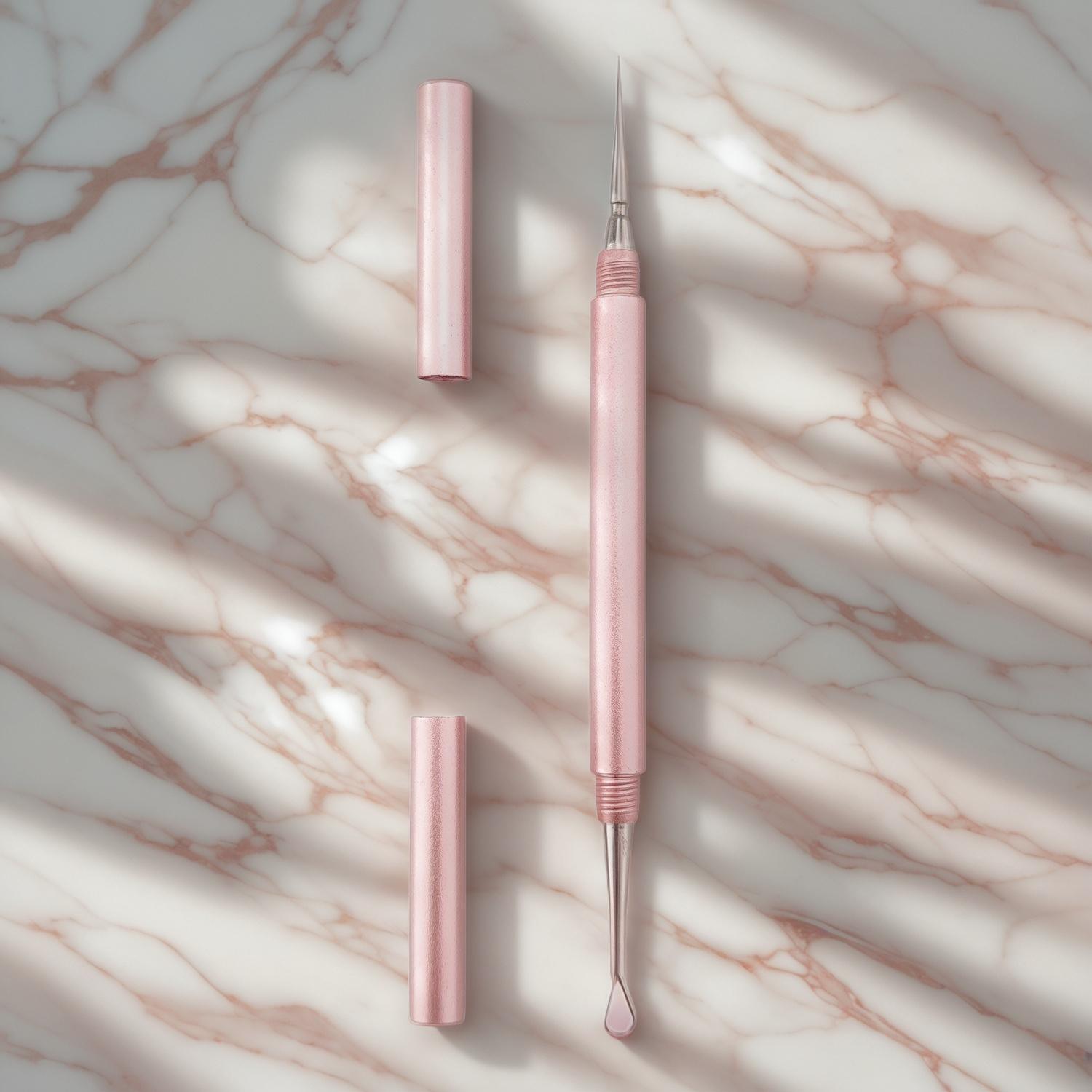
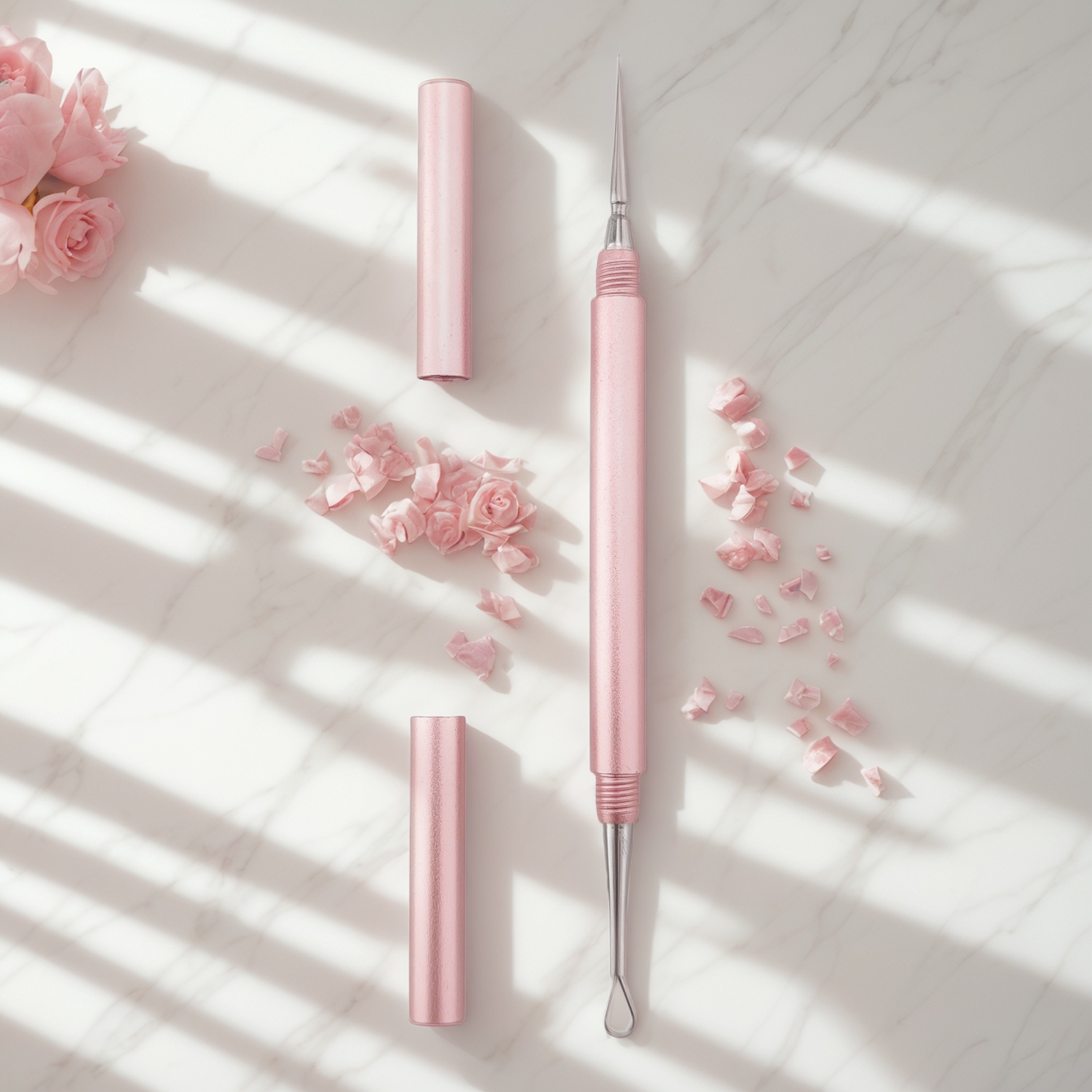
When evaluating personal care tools wholesale, buyers should look beyond the lowest unit price. The better question is whether the tool can be used comfortably, cleaned properly, packaged safely and presented in a way that matches your market. Olimor Beauty focuses on professional beauty tools for business buyers, including grooming and extraction tools such as the Dual-ended Rose Gold Precision Extractor and the Blackhead Remover and Precision Blemish Tool referenced in this product category. This guide explains what to review before placing a bulk order and how to reduce common sourcing mistakes.
Start With the Intended Use and Customer Type
Before comparing suppliers, define exactly how the grooming tools will be sold or used. A salon purchasing tools for staff stations may prioritize grip comfort, cleaning routines and repeat-use durability. A retailer may focus on appearance, shelf presentation and clear consumer instructions. A beauty brand building a private assortment may need a balance of visual consistency, packaging options and stable reorder quality.
For extraction and blemish care tools, the buyer should consider whether the item is intended for professional use, retail consumer use or an add-on within a skincare kit. This affects the type of user guidance you may need to provide. Tools used near pores or blemishes should be described responsibly, with an emphasis on cleanliness, gentle pressure and proper aftercare rather than exaggerated results.
- Salon and spa buyers: prioritize easy cleaning, comfortable handling and reliable finishing across repeated use.
- Retail buyers: prioritize safe packaging, understandable product naming and a polished appearance that photographs well.
- Beauty brands: prioritize consistent style, brand fit, packaging compatibility and reorder stability.
- Gift or kit planners: prioritize compact size, perceived value and instructions that reduce misuse.
Material, Finish and Tool Geometry Matter
The original product information highlights stainless steel construction, ergonomic design and dual-action tips. Those are useful starting points for evaluating grooming tools in bulk. Stainless steel is commonly selected for beauty tools because it can provide a clean, solid feel and is suitable for products that need regular wiping or sanitizing. However, buyers should still review finishing quality carefully. Edges should be smooth, tips should be aligned and the handle should not feel slippery during controlled use.
For a dual-ended extractor or blemish tool, the shape of each end matters as much as the material. Loops or precision tips should be symmetrical and free from rough seams. A tool may look elegant in a metallic finish, such as rose gold or another polished appearance, but the working surface must still be practical. A beautiful tool that feels awkward in the hand can create customer complaints even if the packaging looks premium.
When reviewing samples, inspect both the cosmetic finish and the functional areas. Rotate the tool under bright light to look for scratches, uneven coating, burrs or discoloration. Then hold the tool as a user would. Does the grip feel balanced? Is there enough control for precise placement? Does the design make cleaning straightforward? These practical details are often more important than small cost differences.
Quality Checks to Perform Before a Bulk Purchase
A reliable beauty tools supplier in China or any other sourcing market should support consistent quality expectations. For grooming tools, quality control should cover appearance, dimensions, usability, packaging and cleanliness. Buyers do not need to become engineers, but they should have a clear checklist before approving production or shipment.
| Check Area | What to Review | Why It Matters |
|---|---|---|
| Surface finish | Scratches, burrs, plating consistency and visible marks | Customers judge quality immediately by look and feel |
| Tip alignment | Symmetry, smoothness and usable shape of working ends | Misaligned tips reduce control and can create dissatisfaction |
| Handle comfort | Grip, balance, weight and ease of rotation in hand | Comfort affects both professional and home-user experience |
| Packaging fit | Protection in transit, product positioning and label space | Good tools can still be damaged by weak packaging |
| Carton consistency | Assortment accuracy, quantity count and barcode or label placement | Retail and warehouse teams need predictable receiving |
For first-time orders, request representative samples and compare them with the approved reference after production. If you are sourcing multiple beauty tool products, keep a master sample set and document acceptable tolerances in plain language. Photos, marked samples and written notes help prevent misunderstandings during reorder discussions.
Packaging and Presentation for Wholesale Beauty Tools
Packaging is not only decoration. It protects the tool, explains the product and supports the customer’s first impression. A grooming tool sold loose in a bin has different needs from a tool sold in a skincare set or displayed on a retail peg. If your market expects a premium look, the product and packaging should feel consistent. A metallic tool finish paired with thin or easily damaged packaging can create a mismatch.
For retail and brand buyers, consider how much instruction the package should carry. Extraction and blemish tools should be positioned carefully. Clear, responsible wording can help customers understand that the tool should be used gently and hygienically. Avoid overpromising outcomes. Instead, focus on controlled use, cleaning before and after use, and stopping if irritation occurs.
If you are building a broader assortment, review Olimor’s beauty tool products to compare how different grooming, skincare and personal care tools could work together in a coordinated line. Buyers planning seasonal sets or category expansions can also browse product collections for assortment planning ideas without forcing unrelated products into the same kit.
Hygiene, Care and Customer Education
Because grooming tools are used close to the skin, customer education is part of product quality. Even a well-made stainless steel tool can be misused if the buyer provides no care guidance. For wholesale programs, consider adding a small instruction card, printed back-card guidance or a care note in your product listing.
- Clean the tool before and after each use according to your brand’s recommended hygiene process.
- Use the tool only on clean skin and avoid aggressive pressure.
- Do not use on irritated, broken or infected skin.
- Dry the tool fully before storage to help preserve the finish.
- Store it in protective packaging or a clean pouch to reduce scratches and contamination.
These points are simple, but they reduce confusion and support more responsible use. For salons, internal staff training may be needed so that tools are cleaned, stored and replaced according to professional hygiene routines. For retailers, product pages should include practical care language rather than relying only on lifestyle claims.
Supplier Selection: What Business Buyers Should Clarify
When choosing a supplier for bulk purchase grooming tools, review communication quality as carefully as the sample. A good sourcing process requires clear product descriptions, stable sample references and realistic production discussions. If your order includes custom packaging or a specific finish, clarify those requirements early so the supplier can confirm feasibility before timelines become tight.
Useful questions include: What material and finish are being quoted? Which packaging format is included? Can the supplier provide pre-production samples for approval? How are visual defects handled? What information is needed for logo, label or instruction artwork? How will products be packed for export cartons? These questions do not assume any specific MOQ, price or certification; they simply help you compare offers on equal terms.
Olimor Beauty supports business buyers seeking professionally presented grooming and personal care tools. If you are evaluating a new tool line, preparing a retail launch or replacing an inconsistent supplier, you can contact Olimor to discuss your sourcing needs. For a more direct purchasing conversation, you may also send an inquiry with product references, target packaging and expected order details.
Build a Better Bulk Order by Reducing Assumptions
The safest bulk orders are based on confirmed details, not assumptions. Do not assume that two similar-looking extractors have the same weight, surface finish or tip smoothness. Do not assume that packaging will protect the tool during international shipping unless carton packing has been reviewed. Do not assume that a premium color automatically means premium usability. Each of these details can affect customer reviews, return rates and brand perception.
A strong buying process usually includes sample review, written product confirmation, packaging approval, inspection criteria and clear reorder records. For grooming tools, the final decision should balance appearance, comfort, hygiene considerations and supplier reliability. By treating the product as a functional beauty tool rather than a simple accessory, brands and retailers can build assortments that customers are more likely to trust and repurchase.
Whether you need stainless steel extraction tools, coordinated personal care tools wholesale or a dependable source for expanding a beauty category, Olimor Beauty offers a practical starting point for bulk sourcing. Focus on the details that customers can see and feel: smooth finishing, comfortable handling, protective packaging and clear care guidance. Those are the factors that turn a bulk purchase into a stronger product line.
Tag: