

Bulk Purchase Grooming Tools: Practical Sourcing Guide for Beauty Businesses
Buying grooming tools in bulk is not simply a search for the lowest unit price. For salons, retailers, e-commerce sellers, distributors, training schools and beauty brands, grooming tools become part of the customer experience. A nail clipper that feels rough, a tweezer that loses alignment, or a manicure set that arrives with inconsistent packaging can affect reviews, repeat sales and brand trust.
A smart bulk purchase grooming tools project starts with one clear question: can this product be supplied consistently at the quality level your customers expect? The answer depends on tool function, material direction, surface finish, packaging fit, customization needs, inspection planning and supplier communication.
Olimor Beauty supports business buyers sourcing grooming and nail care tools at wholesale scale, including retail manicure kits, salon supply items, compact travel grooming sets and private label beauty tool programs. Buyers can review broader options through Olimor beauty tool products before narrowing a specification for samples or quotation.
Why Bulk Grooming Tool Sourcing Needs a Clear Plan
Grooming tools are handled directly on the face, hands, nails or hairline, so users judge them immediately. Unlike decorative beauty accessories, a tool either performs cleanly or it does not. Small details such as cutting alignment, tweezer tip contact, spring tension, surface smoothness and case fit can change the entire perception of the product.
For a salon, dependable tools help technicians work more consistently and reduce avoidable replacement issues. For a retailer, clean finishing and stable packaging reduce returns and negative reviews. For a beauty brand, a compact manicure set or tweezer may be the first physical item a customer receives, so it must support the broader brand promise.
The most effective sourcing plan defines the end user before choosing from a catalogue. A professional salon kit may need durable handling and easy organization. A retail beauty kit may need attractive packaging, familiar tool combinations and clear shelf value. A travel grooming set should be compact without making the tools too small or awkward to use. A promotional beauty kit may prioritize brand impression, practical tool selection and consistent presentation.
Start With the Use Case, Not the Catalogue
Many bulk buyers begin by asking for a general grooming kit, but the phrase can mean different things to different teams. One buyer may expect a compact travel pouch, another may need a fuller home manicure set, and another may want brow grooming tools for a skincare bundle. The tool assortment should match the real customer routine.
Common bulk grooming tool use cases
- Salon service kits: Prioritize comfortable handling, smooth edges, dependable cutting or gripping action, and easy organization for frequent use.
- Retail manicure kits: Focus on practical tool combinations, clean presentation, packaging protection and clear value for the customer.
- Travel grooming sets: Look for compact cases, secure tool placement, lightweight convenience and tools that remain usable despite the smaller format.
- Private label launches: Consider how tool finish, case design, logo placement and outer packaging support the brand position.
- Giftable beauty sets: Evaluate first impression, packaging durability, tool arrangement and whether the assortment feels complete.
- Vegan or conscious ranges: Review non-animal material choices for cases, pouches, trims, adhesives and packaging components where the claim applies.
For category planning, buyers can browse Olimor product collections to compare possible tool families before building a final bulk order brief.
Key Tool Categories and What to Check
Different grooming tools fail or succeed for different reasons. A nail clipper, tweezer, cuticle tool and travel kit may sit in the same product category, but they require different evaluation criteria. Do not approve a bulk order based only on photos or one attractive sample.
Nail clippers and nail care tools
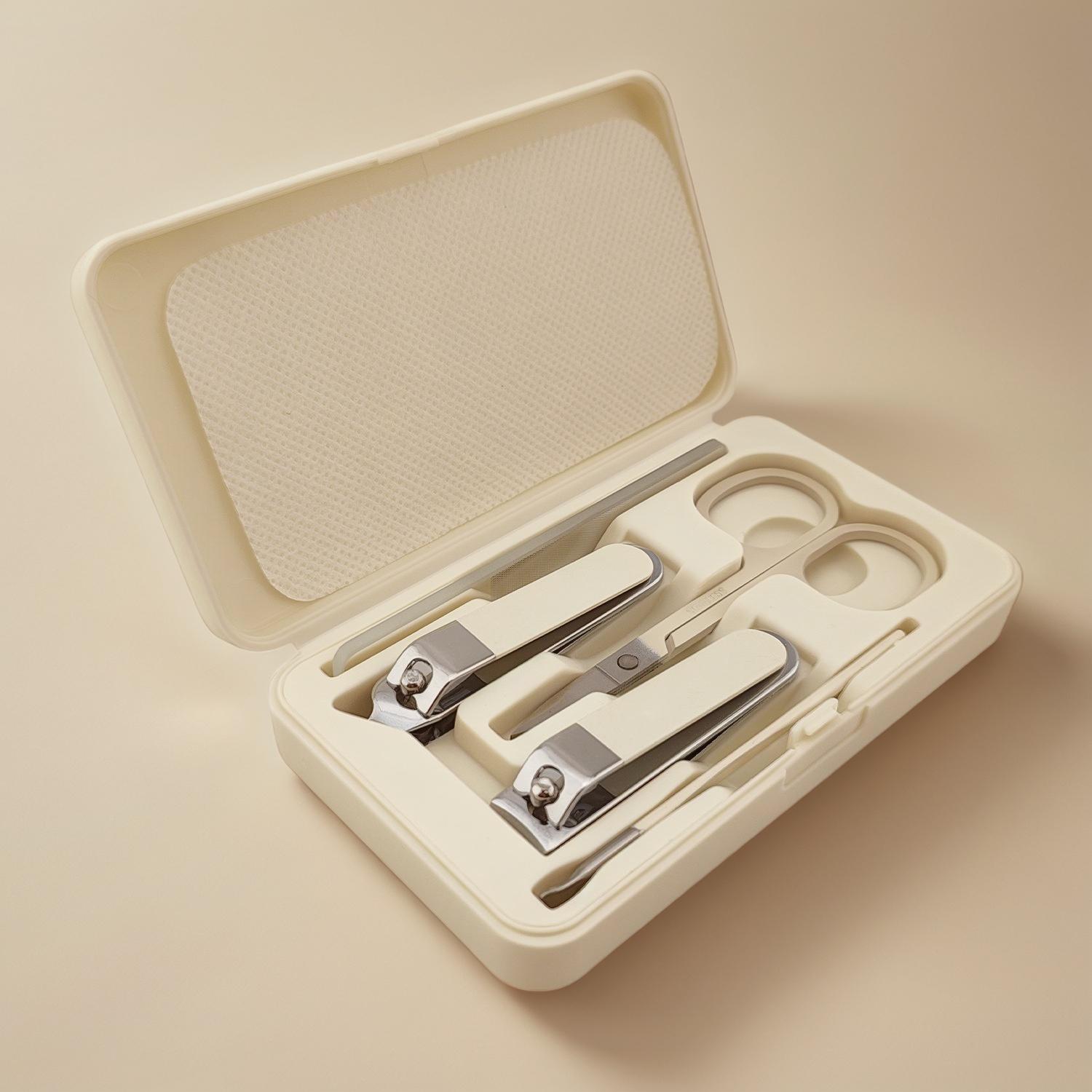
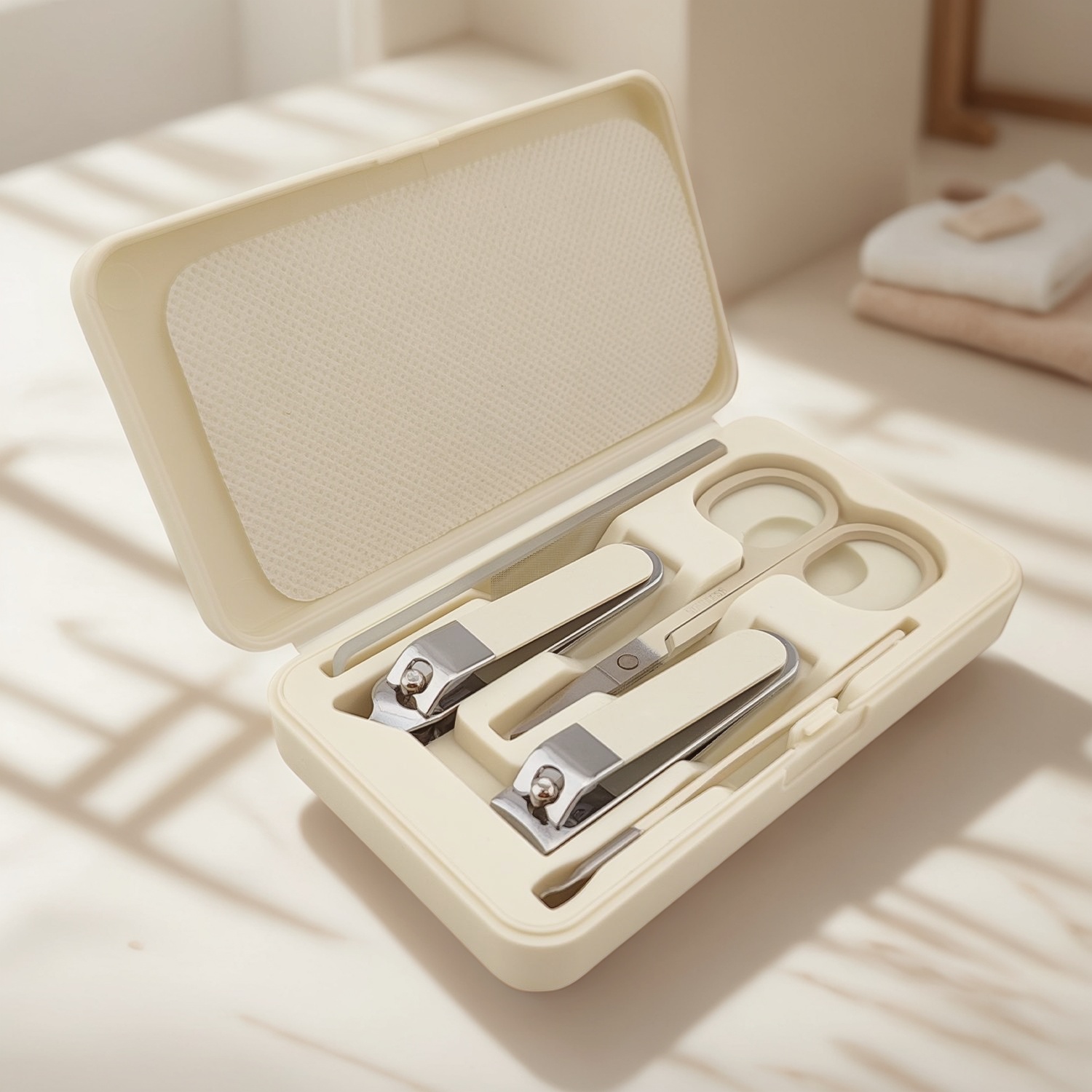
Check cutting alignment, lever movement, edge smoothness, spring action where relevant, and whether the tool cuts cleanly without excessive pressure. For stainless steel manicure sets, buyers commonly review finish consistency, tool sturdiness, clean construction and how each item sits inside the case.
Tweezers and brow tools
Assess tip alignment, grip precision, tension, surface finish and whether the tips meet evenly without gaps. A tweezer may look polished in a photo but still perform poorly if the tips do not align or if the tension feels too weak or too stiff for the intended user.
Cuticle tools, scissors and manicure accessories
Review working edges, user comfort, surface smoothness and whether the tool feels controlled in the hand. Small tools need particular attention because rough edges or awkward finger placement are quickly noticed.
Travel grooming kits and manicure sets
Consider compact layout, case durability, tool retention inside the case and whether the kit is easy to carry without tools shifting around. Packaging should protect the tools during storage and shipment while presenting the set clearly for retail or online sales.
Practical Quality Checks Before Confirming a Bulk Order
Quality in grooming tools is often felt before it is described. Customers notice the resistance of a clipper, the contact of a tweezer, the smoothness of edges and the balance of the tool in the fingers. For bulk orders, the goal is not only to approve one good sample. The goal is to reduce variation across the full order.
Create a written quality checklist that reflects how the product will be used and sold. Avoid vague terms such as premium or durable unless they are supported by specific inspection points. A practical review should include function, finish, comfort, consistency, cleaning practicality and packaging fit.
| Evaluation area | What to review | Why it matters |
|---|---|---|
| Function | Cutting edge, tweezer tip alignment, spring action, working surface and grip control | Function problems are one of the fastest ways to damage trust in a grooming kit. |
| Material and finish | Surface smoothness, clean polishing, visible marks, coating consistency and appropriate material direction | Good finishing improves first impression and reduces complaints about rough or uneven areas. |
| Handling comfort | Weight, balance, finger placement, lever feel and areas where the hand naturally rests | Comfort affects whether customers continue using the tool, especially in salon or repeat-use settings. |
| Consistency | Multiple samples or units, not only one display piece | Bulk orders require stable production and packaging, not a single acceptable sample. |
| Packaging fit | Case, pouch, tray, sleeve or box protection; tool retention; labeling space | Loose tools can arrive scratched and create a poor unboxing or retail presentation. |
| Inspection plan | Defect definitions, sample approval reference, final checks and carton labeling | Clear standards help reduce disputes and make repeat orders easier to manage. |
If your team uses formal sampling methods, ISO 2859-1 is a commonly referenced acceptance sampling standard. It should not be treated as a substitute for product-specific requirements, and buyers should verify the applicable version and supplier documentation for their own market and order type. For material or chemical compliance in certain markets, regulations such as EU REACH may also be relevant; buyers should confirm the current requirements and supporting documents rather than assuming they apply automatically.
How to Judge Manufacturing Consistency
When buying one sample, it is easy to focus on the best-looking item. When buying in bulk, consistency across the order matters more. A good supplier should be able to discuss how products are checked during production and before packaging, even when the exact checklist depends on the tool type.
For grooming tools, consistency checks may include visual finishing, alignment, basic function, surface cleanliness, set composition, packaging condition and carton labeling. Buyers should also consider whether the product will be sold individually, included in a set, used in a professional environment or paired with other beauty items. Each use case may require a different tolerance for presentation and durability.
- Confirm the intended use. Identify whether the product is for retail sale, salon operation, gift sets, travel kits, subscription boxes, training programs or promotional campaigns.
- Review samples by function. Test each tool as the end user would, not only visually under favorable lighting.
- Compare multiple pieces. Check whether several samples feel and perform similarly.
- Inspect packaging fit. Confirm that tools stay protected, organized and easy to present.
- Clarify branding needs. Decide whether you need neutral goods, custom packaging or a more developed private label concept.
- Document unacceptable defects. Define issues such as poor alignment, rough edges, visible damage, unclear printing or missing tools before production.
Keep an approved sample, packaging mockup and written specification summary. These become practical references for production review, reorder discussions and future product adjustments.
Customization Choices That Support Brand Positioning
Customization is valuable when it supports a clear commercial purpose. A logo alone does not make a grooming kit feel branded. The strongest custom projects consider the full customer experience: how the kit is opened, how the tools are arranged, how the color palette connects with the brand, and how product information is presented.
As a custom beauty tools manufacturer, Olimor Beauty can support buyers in shaping product presentation, but customization should start with the commercial brief rather than artwork alone. Include the target customer, sales channel, intended retail positioning, tool list, visual direction, packaging needs and any restricted material requirements.
Customization areas to decide early
- Tool assortment: Decide which tools are essential and which may add cost or complexity without improving customer satisfaction.
- Finish direction: Choose a finish that fits your brand style and sales channel while remaining practical to reproduce.
- Case or pouch format: Consider bathroom storage, handbag use, travel, gifting or salon organization.
- Packaging structure: Decide whether you need retail hanging cards, boxes, trays, protective sleeves or display-ready presentation.
- Branding placement: Keep logos, product names, instructions and barcode areas readable at the product size.
- Language and care information: Plan product descriptions, care guidance and market-specific labeling needs before artwork approval.
Customization should improve usability, shelf clarity or brand recognition. Adding decorative features without a clear purpose may slow approval and increase the chance of mismatch between samples and bulk production.
Vegan and Conscious Sourcing Considerations
Demand for vegan manicure tools wholesale options often comes from brands that want to avoid animal-derived materials in pouches, cases, trims or accessory components. The metal tools themselves are usually evaluated for performance, while the surrounding materials and packaging must align with the brand’s ethical positioning.
If vegan positioning is important, define what the claim covers. Does it apply only to the storage case? Does it include adhesives, inserts, packaging, decorative trims or all components in the finished set? Clear scope helps prevent confusion when materials are selected and when product copy is prepared for retail or e-commerce listings.
Conscious sourcing is also about transparency and repeatability. Ask suppliers to document the agreed material direction and confirm which components are included in the claim. Do not rely on generic wording if your market requires specific substantiation.
Cost Factors in Wholesale Grooming Tools
Bulk buyers often compare quotations by unit price, but the final commercial result depends on more than the item cost. A low quote can become expensive if it leads to repeated sample corrections, inconsistent packaging, extra inspection work or poor customer reviews.
Typical cost factors include tool count, material direction, finishing complexity, case or pouch construction, packaging format, printing requirements, custom logo execution, inspection expectations and order handling. Shipping protection can also affect the practical cost of selling the item, especially for e-commerce products that must arrive clean and undamaged.
The best question is not only which supplier is cheapest. A more useful long-tail sourcing question is: which wholesale grooming tools supplier can meet the required function, finish, packaging and repeat-order consistency for your sales channel? This approach helps buyers compare true value rather than only the first quotation.
Supplier Evaluation Checklist for B2B Buyers
A reliable sourcing relationship depends on communication, sampling discipline, manufacturing understanding and the ability to translate brand requirements into workable production instructions. When comparing suppliers, organize the decision around practical evidence.
- Product understanding: Can the supplier discuss tool function, packaging and use case rather than only sending a price list?
- Sample process: Is there a clear path from initial sample to approved sample and bulk production reference?
- Specification control: Are tool assortment, finish, packaging, logo placement and labeling requirements documented?
- Inspection communication: Can the supplier explain what is checked before shipment and how obvious defects are handled?
- Customization support: Can the supplier help align tools, cases and packaging with your brand without overcomplicating the project?
- Reorder practicality: Can the same product direction be discussed clearly for future repeat orders or adjusted versions?
For a first discussion, prepare a concise project brief and share the intended use, product type, packaging expectations and branding needs. Buyers who already know their requirements can send a grooming tools inquiry with the target assortment and customization direction.
Common Problems and How to Prevent Them
Many sourcing issues can be reduced before production begins. If a tweezer does not grip properly, define tip alignment and tension expectations during sampling. If a manicure kit arrives with scratched tools, review case fit and packaging protection. If retail presentation looks inconsistent, confirm printing, color direction and packaging standards before mass production.
For online sellers, product photos and descriptions must match the delivered set. A kit that photographs well but arrives with loose tools or unclear packaging can create negative reviews. For distributors and wholesalers, carton organization, labeling and repeatable specifications are especially important because the product may pass through several handling points before reaching the end customer.
The most useful prevention tool is a written approval record. Include product photos, approved sample notes, packaging artwork, set composition and defect priorities. This keeps purchasing, quality, merchandising and supplier teams aligned.
Working With Olimor Beauty
Olimor Beauty works with beauty businesses that need practical grooming tools at wholesale scale, including manicure sets, nail care tools, tweezers, travel grooming kits and related personal care accessories. The process is strongest when buyers bring a clear use case, target customer and packaging direction.
If you are still comparing categories, start with the available beauty and grooming tool range. If you have a defined product brief, you can contact the team through Olimor Beauty contact to discuss samples, customization and order planning. Olimor can help buyers evaluate suitable product directions, but final requirements should always be confirmed in writing before production.
FAQ: Bulk Purchase Grooming Tools
Can I request samples before placing a bulk grooming tool order?
Yes, samples are an important step for checking function, finish, hand feel, packaging fit and branding direction. Buyers should test samples as the end user would and keep the approved sample as a reference for future production discussions.
What MOQ applies to wholesale grooming tools?
MOQ can depend on the tool type, customization level, packaging structure and production plan. Buyers should share the intended product, branding needs and packaging format so the supplier can confirm the applicable requirement without guesswork.
Can grooming tools be customized for private label brands?
Private label customization may include tool assortment, finish direction, logo placement, pouch or case design, packaging structure and product information. The most successful projects begin with a clear customer use case and written specification.
What quality checks should be discussed before shipment?
Discuss alignment, cutting or gripping function, surface cleanliness, rough edges, set composition, packaging condition, printing clarity and carton labeling. If a formal sampling standard such as ISO 2859-1 is used, verify the current version and how it applies to your order.
How should buyers think about lead time?
Lead time can vary based on sampling, customization, packaging approval, production scheduling and inspection requirements. Buyers should confirm timing directly with the supplier after the specification and artwork needs are clear.
Tag: