

Bulk Order Tweezers: How to Source OEM Beauty Tools with Confidence
Bulk order tweezers look simple, but buyers quickly discover that small differences in alignment, tip finish, spring tension and packaging can determine whether a beauty tool becomes a repeat seller or a return risk. For beauty retailers, wholesalers, salon suppliers and private-label programs, sourcing tweezers is not only about finding a low unit cost. It is about choosing a reliable tool that performs consistently across a full shipment and fits the expectations of your customer segment.
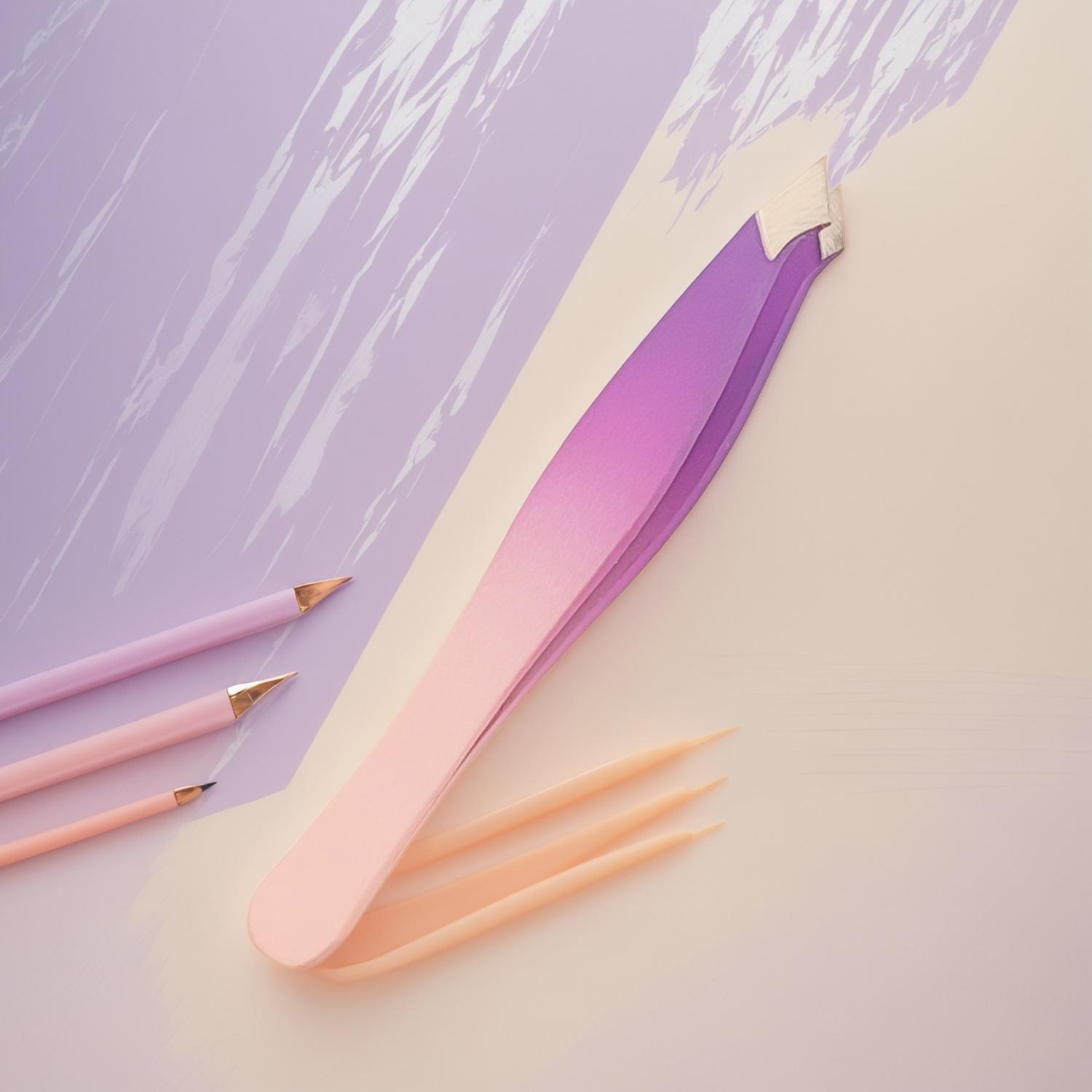
Olimor Beauty supplies beauty tools for businesses that need practical, retail-ready options, including bulk order tweezers and OEM custom tweezers. One example from the current product range is the Gradient Precision Tweezer, described with a pink-to-purple gradient finish and slanted precision tips for controlled hair removal. If you are comparing manufacturers or preparing a new private-label line, the following guide will help you evaluate the details that matter before placing an order.

Who Benefits Most from Bulk Order Tweezers?
Bulk tweezers are used across several beauty and grooming channels. A retail buyer may need a compact, attractive tool that works well as an impulse purchase near brow, lash or skincare displays. A salon distributor may care more about durable construction and repeat professional use. A private-label brand may prioritize a distinct finish, packaging presentation and consistency between the approved sample and mass production.
Before comparing suppliers, define the sales environment. A tweezer designed for a premium brow kit may need different packaging, surface treatment and inspection standards than a promotional item. Likewise, a tool sold online should be photographed easily, arrive without cosmetic defects and include clear consumer-facing information. These decisions influence not only the tweezer itself but also the way the order is packed, labeled and shipped.
Key Product Details to Evaluate Before Ordering
The most important performance factor in a tweezer is the meeting point of the tips. When the tips close evenly, the tool can grip fine hairs more cleanly. If they are misaligned, too blunt or unevenly finished, customers may need multiple attempts, which can lead to poor reviews. For slanted tweezers, buyers should examine the angle, edge smoothness and whether the tips feel controlled without scratching the skin.
Material and finish are also important. Stainless steel construction is commonly used in beauty tweezers because it supports durability and regular handling. However, buyers should not rely on the word “stainless” alone. For any bulk project, record the required material description, finish expectation and care instructions in the purchase documentation. If your product needs a color finish, such as a gradient or ombre effect, inspect whether the color is even and whether the visual result matches your brand positioning.
- Tip alignment: Check that both tips meet evenly across multiple pieces, not only one showroom sample.
- Grip and tension: The arms should close smoothly without feeling too loose or too stiff for the target user.
- Surface finish: Look for clean edges, no visible burrs and consistent polishing or coating.
- Visual consistency: For colored tweezers, compare color placement and finish uniformity across samples.
- Packaging fit: Confirm that the tool sits securely and does not rub against inserts during shipping.
OEM Custom Tweezers: What Can Be Personalized?
OEM custom tweezers allow a business to create a more recognizable retail product without developing an entirely new beauty tool from the ground up. Personalization may involve color direction, logo placement, packaging format or inclusion within a larger beauty set. The Gradient Precision Tweezer shows how a functional item can also carry a strong visual identity through a pink-to-purple gradient finish. That type of finish can help a tweezer stand out in a crowded category, especially when paired with packaging that explains the intended use.
Customization should be approached carefully. A logo that looks sharp on a digital mockup may appear too small, too light or poorly positioned on a narrow tweezer body. Packaging that looks attractive may not protect the tips during transport. For best results, confirm artwork size, printing method, color tolerance, packaging material and barcode or labeling needs before production. If your program includes several tools in one set, align the finish and packaging language so the collection feels intentional rather than assembled from unrelated items.
Buyers exploring OEM options can review Olimor’s broader beauty tool products to understand how tweezers may fit with other grooming, brow, lash or manicure tools. For category planning, the product collections page can also help you consider whether a tweezer should be sold as a standalone SKU or part of a coordinated beauty tool range.
How to Compare Tweezer Manufacturers
Search results often mention “top tweezers manufacturers,” but rankings alone do not tell you whether a supplier is suitable for your project. A strong manufacturer for one buyer may not be the best fit for another. The right partner depends on your order type, product expectations, branding needs, lead-time planning and quality-control process.
When comparing suppliers, focus on evidence and process. Ask how samples are approved, how production differences are controlled, what inspection steps are used and how packaging is checked before shipment. For tweezers, a practical inspection should include tip alignment, closing tension, visible surface defects and packaging condition. If the tool has a decorative finish, inspection should also cover color consistency and scratches. The goal is not to create unnecessary complexity, but to avoid vague approval standards that can cause disputes later.
| Decision Area | What to Check | Why It Matters |
|---|---|---|
| Tip performance | Alignment, edge finish and grip on fine hairs | Directly affects customer satisfaction and repeat sales |
| Finish quality | Polishing, coating, gradient consistency and visible marks | Important for retail appearance and brand perception |
| Packaging | Insert fit, tip protection, labeling and shelf presentation | Reduces damage and improves the unboxing experience |
| OEM execution | Logo size, placement, print clarity and color expectations | Keeps private-label results close to the approved design |
| Inspection process | Sampling plan and acceptance criteria | Helps maintain consistency across the full bulk order |
Retail and Professional Use Cases
A slanted precision tweezer is one of the most familiar shapes in beauty grooming because it supports brow shaping and removal of short or stubborn hairs. For retail, the product should communicate its purpose quickly. Clear wording such as “slanted precision tips” or “brow grooming tweezer” helps shoppers understand the benefit without exaggerated claims. For professional or salon-oriented channels, buyers may place more emphasis on hand feel, durability and easy cleaning instructions.
For gift sets, a visually distinctive tweezer can add perceived value without taking up much space. The pink-to-purple gradient finish of the Gradient Precision Tweezer, for example, may suit beauty kits aimed at customers who like colorful accessories. For more minimal brands, a simpler finish may be preferable. The best choice depends on your customer profile, store design and price positioning.
Quality Checks for Bulk Shipments
Even if the sample is approved, bulk shipments should be reviewed against the same measurable points. Keep one approved sample as a reference and compare production pieces to it. Check the first cartons carefully before distributing goods to stores or fulfillment centers. A simple receiving inspection can prevent a small issue from becoming a large customer-service problem.
- Confirm product identity: Match the shipment against the order description, approved sample and packaging artwork.
- Inspect the tips: Open and close several pieces from different cartons to check alignment and grip.
- Review appearance: Look for scratches, stains, uneven color, rough edges or coating defects.
- Check packaging protection: Make sure the tips are protected and the tool does not move excessively inside the package.
- Record findings: Photograph any issues and note carton numbers so problems can be traced quickly.
This process is especially useful for OEM custom tweezers because branding and packaging errors can be harder to correct after products enter distribution. If you need support matching a tweezer to a private-label plan, you can contact Olimor or send an inquiry with your target channel, packaging idea and expected use case.
Maintenance Guidance to Include for End Users
Care instructions are often overlooked, but they can reduce complaints and help customers use the product correctly. Tweezers should generally be kept dry, stored with the tips protected and wiped clean after use. If the product includes a decorative finish, customers should avoid abrasive cleaning methods that could affect the surface appearance. For retail packaging or online listings, keep maintenance language simple and practical.
It is also useful to remind end users not to drop the tweezer on a hard surface, as impact can affect tip alignment. A protective cap, sleeve or secure package insert can help preserve the point during shipping and storage. These small details are inexpensive compared with the cost of returns or negative reviews.
Building a Better Bulk Tweezer Program
A successful bulk order tweezer program combines product performance, visual appeal and disciplined sourcing. Buyers should compare manufacturers based on practical evidence: aligned tips, consistent finish, suitable packaging and a clear OEM approval process. Decorative details such as a gradient finish can help a product stand out, but they should support the tool’s function rather than distract from it.
For beauty retailers, wholesalers and private-label brands, Olimor Beauty offers a source for bulk order tweezers and related beauty tools. By defining your customer, confirming product details and checking shipments against clear standards, you can build a tweezer assortment that looks professional on the shelf and performs reliably in daily grooming use.
Tag: