

Bulk Order Tweezers: How to Choose Precision Tools with Custom Options
Bulk order tweezers are small products, but they create a large impression when they are used every day by brow artists, lash technicians, salon teams, beauty retailers and personal-care brands. A tweezer that grips cleanly, feels balanced in the hand and keeps its tip alignment over repeated use can reduce frustration and help users work with more control. A poorly selected tweezer, on the other hand, may look acceptable in packaging but fail during the exact moment precision matters.
For buyers comparing beauty tool products in volume, the goal is not simply to find the lowest unit cost. The better question is whether the tweezer design, material, finish, inspection process and customization plan are suitable for the end user. Olimor Beauty focuses on stainless steel beauty instruments with practical handling features, including ergonomic grip considerations, sharply tapered tips and matte finish options that can reduce glare during close work.

Who Benefits Most from Ordering Tweezers in Bulk?
Bulk tweezer purchasing makes sense when consistency matters across multiple users, locations or sales channels. A salon may need the same feel and tip performance at every workstation. A distributor may need a reliable product that can be added to kits or resold as part of a broader beauty tool range. A private-label buyer may want a clean, simple tweezer that can carry a brand identity without compromising practical use.
Common buyers include brow bars, lash studios, cosmetics retailers, manicure and pedicure suppliers, training schools, promotional beauty programs and e-commerce sellers. In each case, the buyer should look beyond appearance. A tweezer must be easy to hold, accurate at the tip and suitable for the intended task. Some users prefer a fine pointed tip for detailed isolation work, while others choose a slanted tip for brow shaping and general hair removal. Bulk ordering is most effective when the tip type and finish match the primary use case.
Precision Factors That Matter Before You Place a Bulk Order
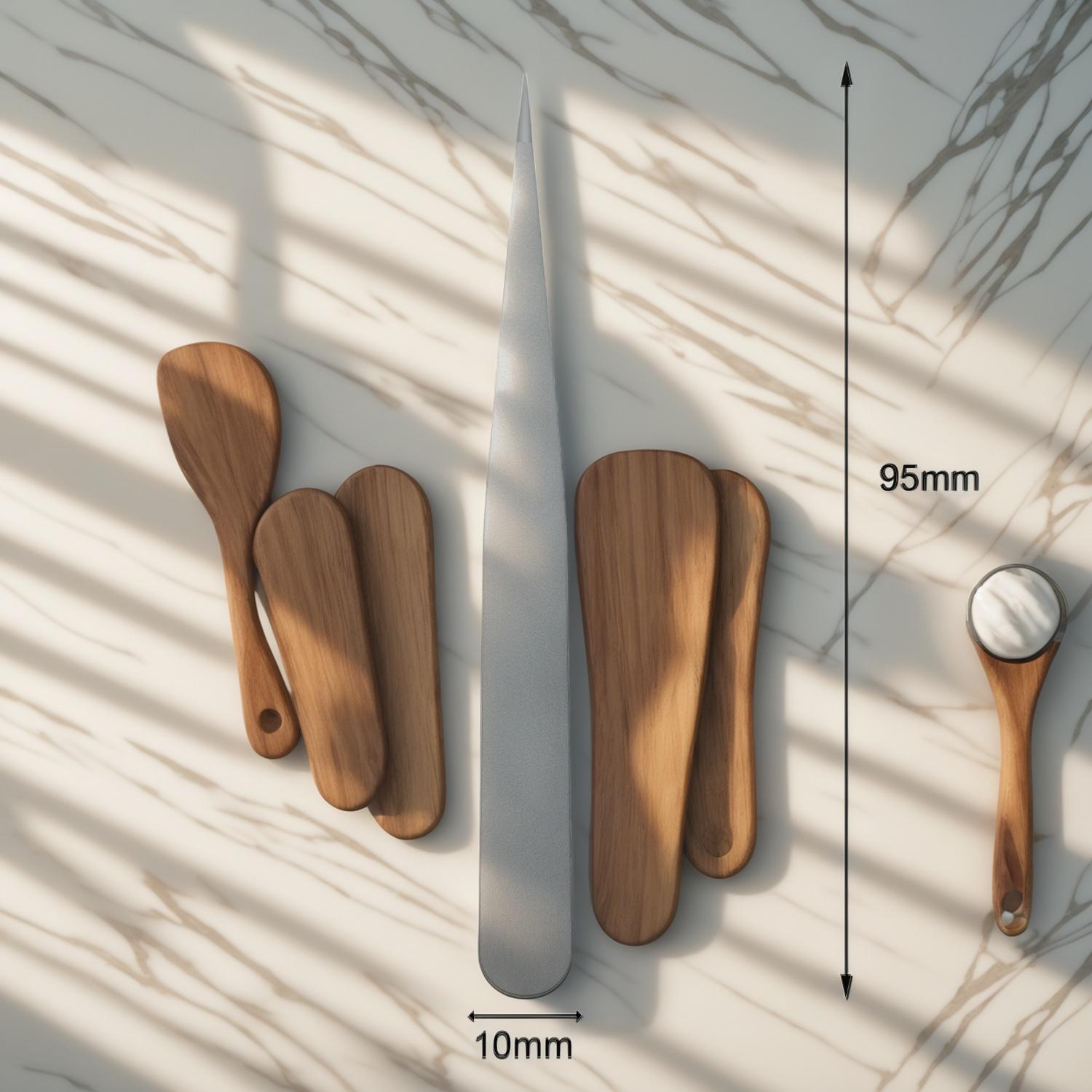
Precision in tweezers is created by several details working together. The most visible detail is the tip, but the body shape, tension, surface finish and manufacturing consistency also matter. The supplied product information highlights a 95 mm length and 10 mm width design with sharply tapered tips and a matte finish. Those dimensions can be useful for buyers who want a compact hand tool that is easy to store, package and handle during beauty applications.
When reviewing a tweezer sample or production reference, examine the following points carefully:
- Tip alignment: The two tips should meet evenly without crossing, gapping or twisting.
- Gripping contact: The tweezer should hold a fine hair or small item without requiring excessive hand pressure.
- Spring tension: The arms should close smoothly and reopen without feeling weak or overly stiff.
- Edge comfort: Outer edges should not feel sharp against the fingers during repeated use.
- Surface finish: A matte finish can help reduce reflected light, which is useful for close-up work under salon lighting.
- Body balance: A lightweight stainless steel construction should still feel controlled, not flimsy.
These checks are practical because they connect directly to user experience. A tweezer may pass a quick visual inspection but still feel uncomfortable after ten minutes of use. For professional buyers, comfort and repeatability are part of quality.
Comparing Tweezer Types for Beauty and Detail Work
Not every tweezer shape is suited to every task. Before ordering, define how the tool will be used and who will use it. A retail customer buying for home grooming may prefer an easy, familiar slant tip. A trained technician may need a more specialized pointed shape for separating fine hairs or working with small details. If a bulk order will serve multiple channels, it may be worth building an assortment rather than relying on one universal design.
| Tweezer feature | Best suited for | Buyer consideration |
|---|---|---|
| Sharply tapered tips | Fine detail work, targeted gripping and precise placement | Check tip protection in packaging to prevent damage in transit |
| Slanted working edge | General brow shaping and everyday grooming | Often easier for non-professional users to handle |
| Matte finish | Salon work under bright lights or photography settings | Useful when glare reduction and a clean visual appearance matter |
| Ergonomic grip area | Repeated professional use | Assess comfort during longer handling, not only first impression |
This type of comparison helps buyers communicate more clearly with a manufacturer. Instead of requesting “high-quality tweezers” in general terms, you can specify the working environment, user skill level, preferred tip behavior and packaging expectations.
Customization Options: What to Decide Before Production
The phrase “design your own tweezer” can mean several different things. For some buyers, customization is mainly visual: logo placement, color direction, finish preference or retail packaging. For others, it may involve practical changes such as tip style, grip feel or assortment planning. The best custom tweezer program begins with a clear product brief, because every design choice should support the user and the selling channel.
Useful customization decisions include:
- Branding method: Decide whether the logo should be subtle, retail-facing or part of a full branded kit.
- Finish direction: Choose whether a matte, polished or other surface appearance best matches the brand position and working environment.
- Tip style: Match the tip to the primary application, such as brow grooming, lash work or general precision tasks.
- Packaging format: Consider whether the product will be sold individually, included in a set or packed for professional use.
- Instruction needs: Retail products may benefit from simple care and safety guidance, while professional tools may need more technical product information.
Customization should not make the tool harder to use. A large decorative element, an uncomfortable coating or packaging that does not protect the tips can reduce the value of the product. For bulk orders, practical branding usually works best: clear, durable and aligned with the customer’s use case.
How to Evaluate a Tweezer Manufacturer Without Relying on Claims
Searches for the “top 10 tweezers manufacturers” can be a starting point, but buyer decisions should be based on evidence and process rather than ranking language. A capable tweezer supplier should be able to discuss material selection, production consistency, internal inspection and packaging protection in practical terms. Olimor Beauty describes its approach around stainless steel instruments, ergonomic design considerations and internal quality control from material selection through final packaging.
When comparing suppliers, prepare a checklist that focuses on measurable review points. Request product photos from multiple angles, confirm whether the sample reflects mass production, and examine the same areas you expect your customers to notice: tip alignment, closing feel, surface finish and packaging condition. If the product will be used in salons, have a technician test it during real grooming or detail work rather than only checking it at a desk.
For buyers building a wider assortment, it can also help to compare tweezers with related beauty tool products so the finish, packaging and quality level feel consistent across the line. Consistency is especially important when the tweezer will be sold as part of a kit or displayed with other instruments.
Bulk Packaging, Handling and Maintenance Considerations
Tweezer tips are precision contact points, so packaging is not only a presentation decision. It protects the product during shipping, storage and retail handling. A fine or sharply tapered tip should not be allowed to rub freely against other metal tools. Tip protectors, sleeves, trays or secure inner packaging can help preserve alignment until the end user opens the product.
Maintenance guidance is also worth planning before a bulk order ships. Users should keep tweezers clean and dry, avoid dropping them tip-first and store them with the tips protected. For professional environments, cleaning practices should follow the salon’s hygiene procedures and local requirements. Stainless steel is valued for durability, but no tweezer should be treated as indestructible; misalignment from impact can affect gripping performance even when the body still looks new.
If the product will be sold online, include clear images and accurate descriptions. Avoid promising performance that the design does not support. A pointed, tapered tweezer should be described differently from a slanted brow tweezer. Good product content reduces returns because customers know what they are buying.
Building a Clear Bulk Tweezer Inquiry
A clear inquiry helps both sides move faster. Instead of sending only a target quantity, include the intended market, preferred tip style, finish direction, packaging concept and whether branding is required. If you are matching an existing line, provide reference images or explain the desired look. If you are still exploring options, review Olimor product collections to compare tool types and possible assortment directions.
For a practical first message, include: application, target user, preferred tweezer shape, finish preference, logo or packaging needs, destination market and any inspection requirements important to your business. You can send an inquiry with these details or contact Olimor to discuss how a bulk tweezer order should be structured.
The right bulk order tweezer is not chosen by appearance alone. It is selected through tip performance, comfortable handling, suitable finish, protective packaging and customization that supports the end user. By treating tweezers as precision beauty tools rather than simple accessories, buyers can create a more reliable product offering for salons, retailers and branded beauty programs.
Tag: