

Bulk Nail Clipper Price: A Practical Guide for Distributors, Retailers, and Resellers
Bulk nail clipper price is rarely just a single number on a quotation sheet. For trade buyers, the real cost depends on order volume, construction quality, packaging, freight, inspection requirements, and how the product will be sold after purchase. A distributor buying for regional redistribution, a retailer stocking shelves, and an online reseller building bundled offers may all need nail clippers, but they do not always need the same pricing structure or product presentation.
This guide explains how to compare bulk nail clipper price options with a buyer’s mindset. It is written for distributors, retailers, and resellers who need dependable beauty tools, clear purchasing criteria, and a practical way to evaluate long-term value instead of focusing only on the lowest unit cost.
Why Bulk Nail Clipper Price Changes by Buyer Type
Price differences usually start with business model. Distributors often purchase larger quantities to serve multiple downstream accounts, so their priority is a stable unit cost, reliable replenishment, and packaging that supports redistribution. Retailers often buy smaller batches and care more about display readiness, shelf appeal, barcode requirements, and consumer-facing presentation. Resellers may work through online marketplaces, social commerce, or independent stores, so they need flexibility in pack size, shipping weight, and listing-friendly product details.
In many trade situations, distributors can access more competitive wholesale rates because they buy in larger volumes. Retailers may pay a higher per-unit price when ordering fewer pieces, but they may recover that difference through faster sell-through and stronger retail presentation. Resellers sit between these two positions: they may negotiate better pricing than small retail buyers, but they also need enough margin to cover marketplace fees, shipping, returns, and promotional discounts.
When comparing offers, keep the intended sales channel in mind. A very low-priced nail clipper that arrives without suitable packaging may still be acceptable for redistribution, but it can create extra cost for a retailer. A more finished presentation may cost more per unit, yet reduce labor and improve the way the product looks to the final customer.
What Is Included in the Unit Price?
A nail clipper quotation should be read carefully. Two suppliers may quote different prices for what appears to be the same product, but the included items may not match. The unit price may or may not include packaging, inner cartons, export cartons, labeling, surface finish options, or pre-shipment inspection steps. Before comparing numbers, make sure each quotation is based on the same assumptions.
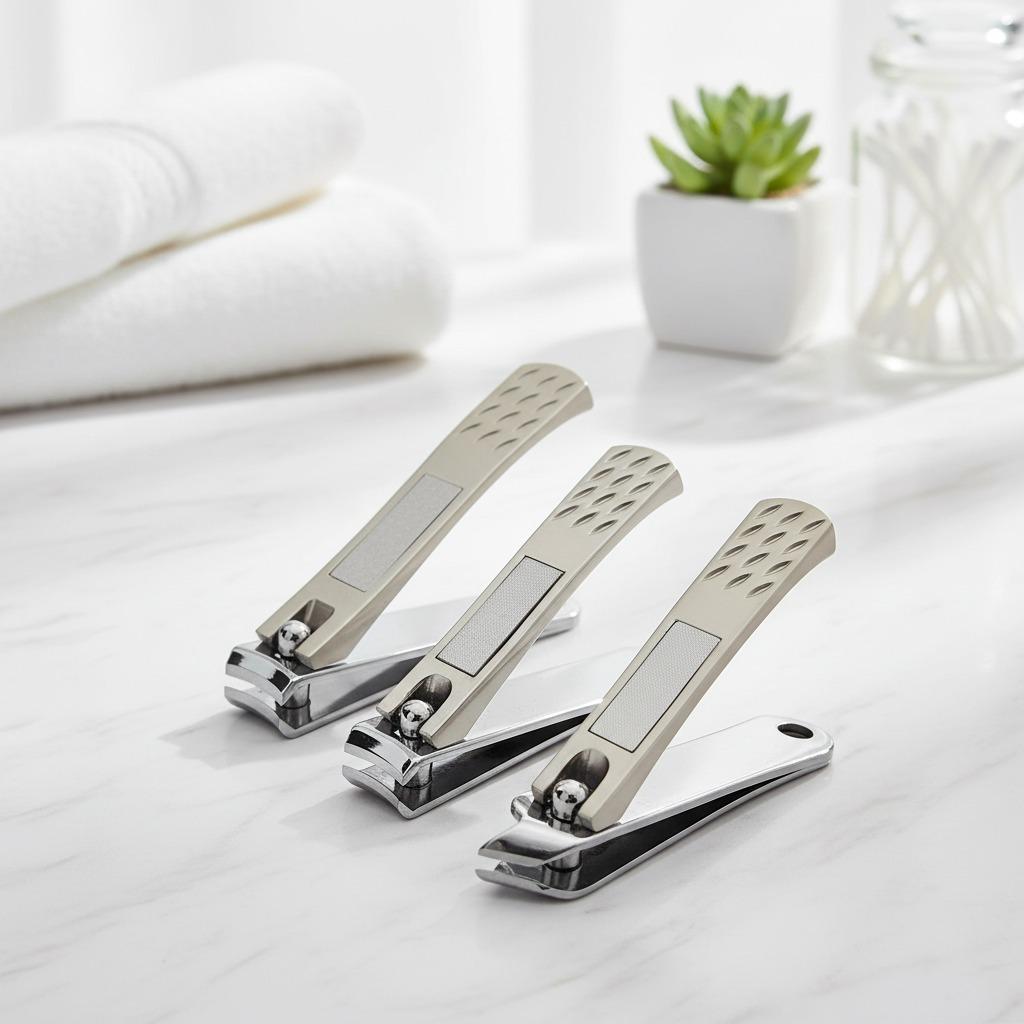
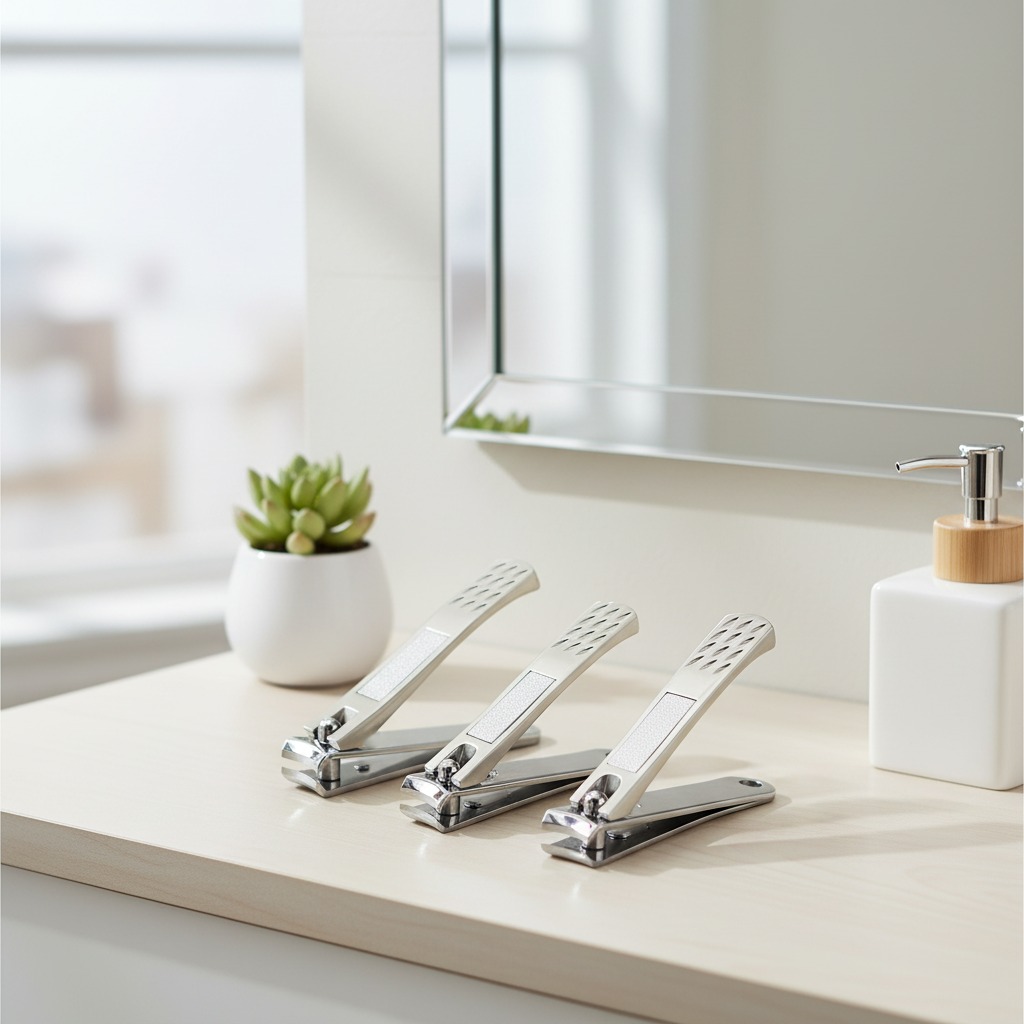
- Material and construction: The supplied article references stainless steel construction, which is valued for durability and a clean appearance in personal care tools.
- Cutting performance: Sharp, durable blades and lever-enhanced cutting power can affect customer satisfaction and repeat purchase potential.
- Handle design: Ergonomic designs and textured handles can improve control, especially for everyday grooming use.
- Finish and appearance: Metallic finishes may help retailers and resellers present the item as a more polished consumer product.
- Packaging: Bulk-packed, individually packed, hanging-card, or retail-ready packaging can change cost and suitability by channel.
- Inspection scope: Quality checks may reduce the risk of returns, but buyers should understand what is being checked and at what stage.
- Logistics format: Carton size, gross weight, and packing density influence freight and storage costs.
For a clearer comparison, request quotations in the same format: product description, quantity, packaging method, delivery terms, lead time, and any customization assumptions. This prevents a low unit cost from hiding extra downstream expenses.
Distributors: Focus on Scale, Consistency, and Reorder Planning
For distributors, a nail clipper for distributors should be evaluated as part of a repeat supply program rather than a one-time purchase. The lowest bulk nail clipper price may look attractive, but inconsistent batches can damage relationships with retailers or regional buyers. Distributors should pay close attention to product consistency, carton labeling, handling durability, and whether the supplier can support predictable replenishment.
The original price examples show how volume can influence unit cost: large distributor orders exceeding 1,000 pieces may be quoted around lower wholesale levels, while smaller buyers may see higher per-unit ranges. Treat such figures as pricing examples rather than fixed current prices. Actual prices can change with material costs, packaging requirements, order quantity, and shipping conditions.
For distributor purchasing, the most useful questions are operational: Will the nail clipper remain consistent across repeat orders? Is the packaging strong enough for redistribution? Are cartons marked clearly for warehouse receiving? Can the product serve multiple customer types without needing different versions for every account? A simple, durable product may be the best fit if the distributor’s customers will handle their own branding or retail packaging.
Retailers: Balance Shelf Appeal with Practical Margins
A nail clipper for retailers has to do more than cut nails well. It must make sense on a shelf, fit the retailer’s category strategy, and justify its price to the end user. Retail buyers should examine the product from the customer’s point of view: Can the shopper understand the item quickly? Does the finish look clean? Is the handle comfortable? Is the packaging easy to hang, display, scan, or store?
Retailers may pay more per unit in smaller bulk shipments, and the supplied article gives an example range of 100–500 units at higher per-unit pricing than distributor-scale orders. That does not automatically mean the purchase is less profitable. If the product has better presentation, fewer quality complaints, and a stronger perceived value, the retailer may protect margin more effectively than by choosing the lowest-cost alternative.
Retailers should also consider assortment design. A compact nail clipper can be placed near manicure accessories, travel grooming items, personal care essentials, or checkout-area impulse products. If the product includes features such as textured handles, metallic finishes, or lever-enhanced cutting power, those details can support product descriptions and staff recommendations without making exaggerated claims.
Resellers: Compare Landed Cost, Not Just Purchase Price
Resellers often operate with variable demand and tighter cash-flow considerations. A nail clipper for resellers may be sold individually, as part of a grooming set, in a travel kit, or bundled with other beauty accessories. Because sales channels differ, the true cost must include marketplace commissions, domestic shipping, return handling, photography, listing preparation, and promotional discounts.
A reseller may obtain a mid-range bulk price, but still lose margin if the product is heavy to ship, poorly packed, or prone to customer complaints. For online sales, customer expectations are strongly influenced by images, descriptions, and reviews. A durable stainless steel nail clipper with a clean finish and comfortable handle can support positive product positioning, but the listing should remain accurate and avoid unsupported claims.
Before ordering, resellers should estimate the landed cost per sellable unit. Include the product price, packaging, inbound freight, platform charges, expected return allowance, and any repacking labor. This calculation is more useful than comparing quotation prices alone.
A Simple Comparison Table for Trade Buyers
The following table can help buyers compare nail clipper quotations in a structured way before choosing a supplier or order plan.
| Buyer type | Main pricing concern | Best-fit product priorities | Risk to avoid |
|---|---|---|---|
| Distributor | Lowest sustainable unit cost at volume | Consistent quality, strong carton packing, repeatable supply | Choosing a low price that creates batch inconsistency |
| Retailer | Margin after packaging and display needs | Shelf appeal, consumer-friendly design, reliable cutting performance | Buying bulk stock that requires extra retail preparation |
| Reseller | Landed cost after freight, fees, and returns | Compact size, accurate product details, dependable finish | Ignoring platform costs and return handling |
Quality Checks That Affect Long-Term Value
Quality control is one of the most important reasons not to judge bulk nail clipper price in isolation. A clipper with uneven edges, weak leverage, poor alignment, or rough finishing may create returns, complaints, or unsellable stock. Even a small defect rate can reduce the savings gained from a cheaper quote.
Trade buyers can build a practical inspection checklist before confirming a bulk order. Check blade alignment, opening and closing smoothness, edge sharpness, handle texture, surface finish, rivet or hinge stability, and packaging condition. If the nail clipper is intended for retail, also review how it looks under store lighting and whether the packaging protects the finish during transit.
For larger programs, buyers may also compare samples from different production batches before expanding order volume. Samples should be reviewed not only for appearance but also for repeated cutting action and hand feel. A nail clipper is a small product, but end users notice immediately when it feels weak, rough, or uncomfortable.
How to Source Nail Clippers Through Olimor Beauty
Olimor Beauty offers beauty-tool sourcing support for trade buyers who want to compare practical product options rather than guess from a price list. You can browse broader beauty tool products to understand available categories, or review product collections when planning a wider grooming or manicure assortment.
When preparing an inquiry, include your target quantity, sales channel, packaging preference, destination market, and whether the nail clippers are intended for redistribution, retail display, or online resale. These details help define the most suitable quotation structure and prevent misunderstandings about what the price includes.
If you are ready to compare options, you can send an inquiry with your purchasing requirements. For broader sourcing questions or project discussion, contact Olimor and provide as much context as possible about your order plan, packaging needs, and timeline.
Final Buying Advice
The best bulk nail clipper price is the one that supports your selling model, protects your margin, and keeps product quality consistent. Distributors should prioritize scalable supply and predictable replenishment. Retailers should weigh shelf presentation and customer satisfaction alongside unit price. Resellers should calculate landed cost and return risk before committing to stock.
By comparing construction, cutting performance, packaging, inspection needs, and logistics format, trade buyers can make a more confident decision. A nail clipper may be a small item, but in bulk purchasing, small differences in quality and presentation can have a major effect on profit, repeat sales, and customer trust.
Tag: