

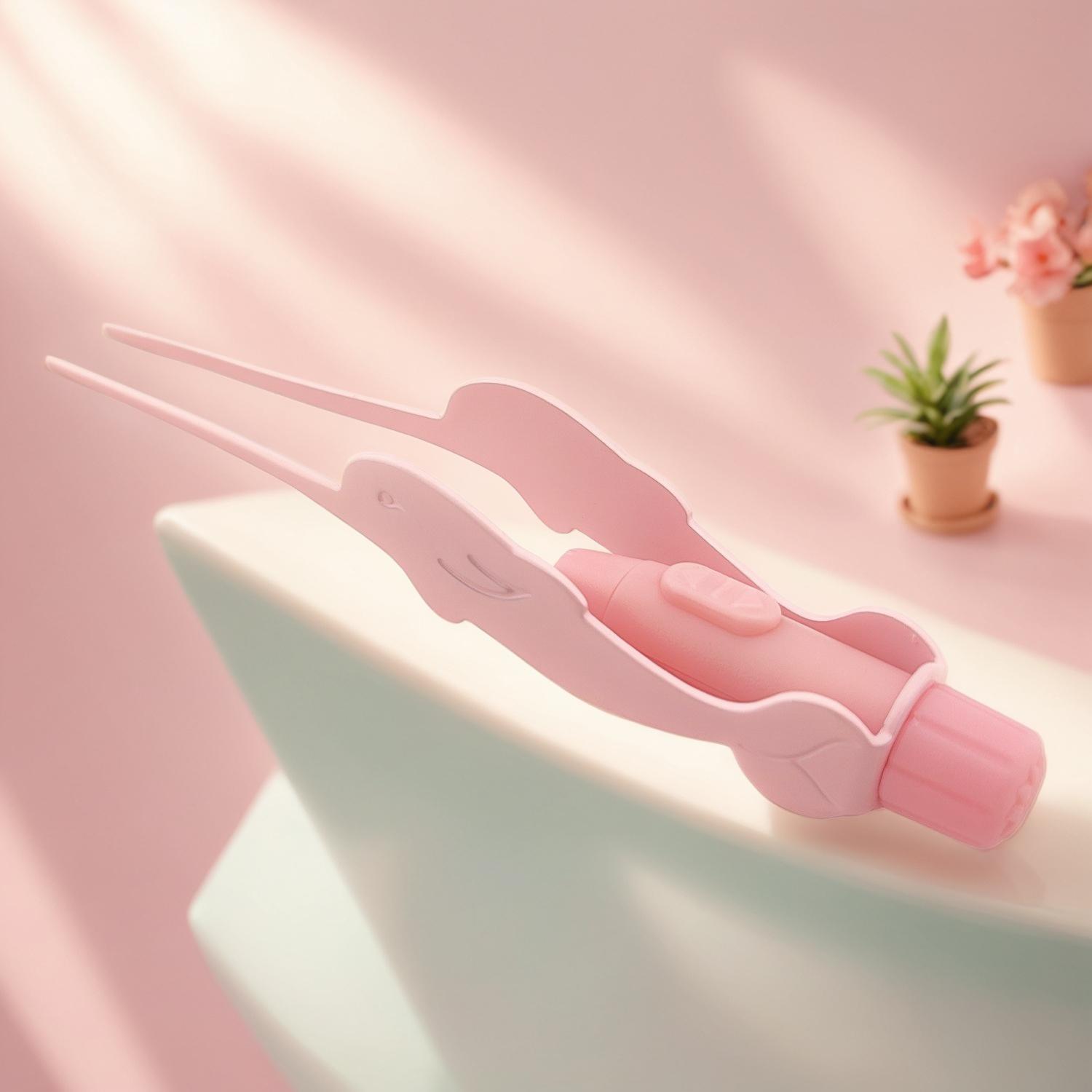
Custom Tweezers for Business: How to Source Branded Beauty Tools with Confidence

Custom tweezers are small products with a direct effect on customer trust. For beauty brands, salons, retailers, distributors and personal care businesses, a branded tweezer is not only a promotional accessory. It can be a resale product, a professional salon tool, a kit component, a gift-with-purchase item or part of a wider beauty tool collection.
The best sourcing decision balances precision, comfort, finish, packaging, repeat-order consistency and realistic commercial requirements. A tweezer that grips cleanly and feels stable in the hand can strengthen your brand experience. A tool with uneven tips, rough edges or weak packaging can create complaints even when the product looks attractive in photos.
This guide explains how to evaluate custom tweezers for business use, compare bulk tweezers price beyond the unit quote, and work with a supplier on branding, samples, packaging and quality checks without losing sight of the end user.
Why Custom Tweezers Matter for Beauty and Personal Care Brands
Tweezers carry a high expectation of precision. Customers notice immediately if the tips do not meet evenly, if the tool slips, or if the body feels uncomfortable during detailed work. When the tweezer carries your logo, those details become part of how users judge your business.
For professional salons and brow studios, tweezers must support accurate work over repeated appointments. For retail brands, the product must look clear, useful and presentation-ready on a shelf or product page. For distributors, the tool must be easy to explain to different customer types and consistent enough for repeat supply.
Custom branding adds commercial value when it supports the product rather than distracting from it. A logo, selected color, coordinated package or set presentation can turn a standard beauty tool into a recognizable part of your range. Buyers planning a broader line can review related beauty tool options through Olimor product categories and decide how branded tweezers should fit with kits, displays or seasonal programs.
Start With One Clear Use Case
Before comparing suppliers or requesting quotations, define the main sales channel and end user. A tweezer intended for professional brow work may need a more restrained finish, controlled tension and accurate tip closure. A tweezer for retail resale may place equal emphasis on shelf appeal, packaging clarity and color coordination. A promotional product may need a practical design that keeps the brand visible without overcomplicating the specification.
Common B2B use cases include:
- Salon and brow studio tools: Used by technicians in service environments or sold as aftercare items for clients.
- Retail beauty products: Sold as standalone grooming tools or included in brow, lash, travel or facial care kits.
- Distributor catalog items: Offered to salons, retailers, online sellers or regional resellers as part of a wider beauty tool range.
- Gift-with-purchase or promotional programs: Used when the target audience is aligned with beauty, grooming or personal care.
- Private-label kits: Combined with other tools to create a coordinated branded product set.
A clear use case prevents specification drift. It also helps the supplier understand whether performance, retail presentation, packaging protection, color matching or repeat-order flexibility should receive the most attention.
Quality Criteria for B2B Tweezers
The basic job of tweezers is simple: grip small hairs or items with control. In production and sourcing, that depends on material suitability, tip alignment, finish quality, tension, handling comfort and packaging condition. Olimor Beauty describes its B2B tweezers as made with stainless steel, ergonomic design and production quality checks. Buyers should still evaluate samples carefully and define the inspection points that matter for their own market.
Tip Alignment and Grip Performance
Tip alignment is one of the most important observable details. The two sides should meet evenly so the user can grip fine hairs or small fibers without excessive pressure. If the tips meet only at one corner, leave a visible gap or feel harsh during closure, the tool may disappoint end users.
When reviewing samples, test the tweezer in realistic conditions. Open and close it repeatedly. Check whether the tips meet consistently. For brow or salon use, confirm that the tool can grip fine hairs with control. For retail or kit use, consider whether the performance is easy for a consumer to understand and appreciate.
Material, Finish and Hand Comfort
Stainless steel is commonly valued in beauty tools because it gives a clean professional appearance and supports durable everyday use. Buyers should inspect the visible finish, edges and body feel rather than relying only on catalog descriptions. Edges should feel smooth enough for comfortable handling while the tip area remains precise enough for the intended task.
Hand comfort is especially important for professional users. A tweezer that feels too stiff, too slippery or awkwardly balanced can tire the hand during repeated appointments. Tension should feel controlled, not weak or excessive. For retail programs, the tool should still feel stable and intuitive for customers using it at home.
Packaging Condition and Order Consistency
Packaging affects both presentation and product protection. A beautiful tweezer can still create problems if packaging arrives crushed, exposes the tip during shipping or does not suit the retail environment. Buyers should confirm whether the packaging format supports storage, shipping, display and customer understanding.
Consistency is just as important as the first approved sample. Bulk orders should match the approved sample as closely as possible in function, appearance, logo placement and packaging. Ask how samples are approved, how production is checked and what documentation or inspection process the supplier can provide for your order.
Customization That Supports the Brand
Custom tweezers work best when branding improves recognition without interfering with usability. Typical customization choices include logo placement, color selection, finish direction, package design and set presentation. The right combination depends on where the product will be sold and who will use it.
A salon may prefer a clean, professional style that matches the service environment. A retail beauty brand may need stronger visual appeal and packaging copy that explains the tool quickly. A distributor may need a flexible design suitable for different downstream customers. Businesses building a coordinated tool range can explore Olimor beauty tool collections to plan how tweezers may sit alongside other products.
Keep the specification practical. Very small logos can lose clarity on a slim tweezer body. Highly decorative finishes may not suit every professional setting. Packaging that looks attractive but does not protect the tool can increase handling issues. A simple specification sheet should define the intended user, tweezer style, logo artwork, color reference, packaging structure and any required retail information.
Bulk Tweezers Price: Compare Value, Not Only Unit Cost
Bulk tweezers price matters for margins, distributor programs and retail planning. However, the lowest unit quote is not always the best total value. A cheaper tool can become more expensive if it requires rework, causes complaints, arrives in unsuitable packaging or fails to match the approved branding.
For meaningful quotations, give suppliers enough information to price the actual product you need. Share the intended use, order expectations, customization requirements, packaging preferences and destination considerations. Vague requests often lead to quotes that change later when the specification becomes clearer.
| Buying Factor | What to Review | Why It Matters |
|---|---|---|
| End use | Salon work, retail resale, distributor supply, kits or promotional use | Different use cases place different weight on precision, presentation and cost control. |
| Tip performance | Alignment, closure, grip on fine hairs or fibers and overall control | This is the main performance feature users notice during grooming or detailed work. |
| Hand comfort | Tension, balance, surface feel and repeated opening and closing | Comfort affects professional use and customer satisfaction. |
| Branding | Logo clarity, color direction, finish and placement | Branding should be recognizable while keeping the tool practical. |
| Packaging | Protection, shelf appeal, storage, shipping suitability and pack information | Packaging influences retail conversion and helps prevent damage or confusion. |
| Supplier process | Sampling, approval steps, production checks and communication | A clear process reduces risk before bulk production and supports repeat orders. |
Supplier Evaluation Checklist for Branded Tweezers
A good custom tweezer supplier should help you move from idea to approved product with clear communication. The goal is not only to receive a sample that looks good, but to confirm the supplier can repeat the agreed quality and presentation across the order.
Use this checklist when comparing options:
- Product fit: Does the supplier offer tweezer styles suitable for your target customer and sales channel?
- Material clarity: Can the supplier explain the material used and why it suits beauty tool applications?
- Sample review: Can you approve function, finish, logo placement and packaging before bulk production?
- Inspection points: Are tip alignment, finish, comfort, packaging and order consistency checked during production?
- Customization support: Can the supplier work with your logo, color direction and packaging needs without making the design impractical?
- Commercial communication: Are quotation details, order requirements, packaging scope and reorder discussions handled clearly?
- Documentation: Can the supplier provide relevant product or process documents for your market when needed?
For quality management discussions, buyers may reference public frameworks such as ISO 9001 when asking about supplier process control. If selling into markets with chemical or material compliance obligations, buyers may also need to review applicable requirements such as EU REACH for substances in articles or finishes. These references do not mean a supplier automatically holds a certification or that a product automatically complies. Always verify the applicable version, market requirement and supplier documentation for your order.
How to Prepare a Clear Custom Tweezer Inquiry
A precise inquiry saves time and improves quote accuracy. It also helps prevent misunderstandings between design expectations and production reality. Before contacting a supplier, prepare the practical details that influence cost, sampling and feasibility.
- Define the main application: State whether the tweezers are for salon use, retail resale, kits, distributor supply or promotional programs.
- Select the product direction: Share preferred tweezer style, finish direction and any must-have performance expectations.
- Provide branding files: Send logo artwork and placement ideas, and note whether you need custom colors or coordinated packaging.
- Describe packaging needs: Explain whether you need simple protective packaging, branded retail packaging or set packaging.
- Ask about samples: Confirm how samples can be reviewed and what aspects can be approved before bulk production.
- Discuss quality checks: Ask how tip alignment, surface finish, logo placement and packaging condition are checked.
- Clarify commercial factors: Ask about MOQ, lead time and pricing based on your actual specification, without assuming fixed numbers before review.
If you already know the preferred product type or need help narrowing options, Olimor offers a direct custom tweezer inquiry path for business buyers to share project requirements.
Common Sourcing Problems and How to Avoid Them
Many custom tweezer issues can be avoided before production begins. The most common problems are not complex: unclear specifications, insufficient sample review, branding that is too small or impractical, packaging that does not protect the product, and price comparisons based on incomplete information.
If the approved sample is different from the bulk requirement, production expectations become unclear. If a buyer approves only a photo, details such as tension, edge feel and tip closure may be missed. If packaging is selected only for appearance, it may not handle shipping or storage well. Each of these issues can reduce customer satisfaction and increase the real cost of the order.
The practical solution is to connect the end-user experience with the commercial plan. Decide what the user must feel in the hand, what the buyer must see on the shelf or product page, and what your business needs for margin, repeat orders and distribution. Then convert those points into a written specification and sample approval process.
When Olimor Is a Good Fit
Olimor Beauty is a suitable sourcing partner for businesses that need custom tweezers with brand presentation, practical usability and B2B order communication. The company supports custom colors, branding and packaging needs for buyers building salon, retail, distributor or private-label beauty tool programs.
The most productive conversations begin with clear information: intended use, target market, logo or color ideas, packaging expectations and order planning. Olimor can then help review feasible options and align the product direction with your brand goals. To discuss a project or request sourcing support, contact the team through Olimor business support.
FAQ: Custom Tweezers for Business Buyers
Can I request samples before placing a bulk tweezer order?
Yes, business buyers should ask about sample options before approving bulk production. Samples help you review tip alignment, grip, hand comfort, finish, logo placement and packaging direction before committing to the final order.
What MOQ applies to custom tweezers?
MOQ depends on the tweezer type, customization scope, packaging requirements and production arrangement. Do not assume a fixed quantity without sharing your specification. Ask for MOQ details based on your actual design and order plan.
Can custom tweezers include my logo, color and packaging?
Custom branding can commonly include logo application, selected colors and packaging direction. The final options depend on the product style and production feasibility. For best results, provide logo files, color references and packaging notes early.
What quality checks should I ask about?
Ask how the supplier checks tip alignment, grip performance, surface finish, tension, logo placement, packaging condition and consistency between approved samples and bulk production. Request relevant documentation where needed for your market.
How long does production take?
Lead time varies by customization, packaging, order size and production schedule. Confirm timing after the supplier reviews your full specification, sample needs and shipping expectations.
Tag: