

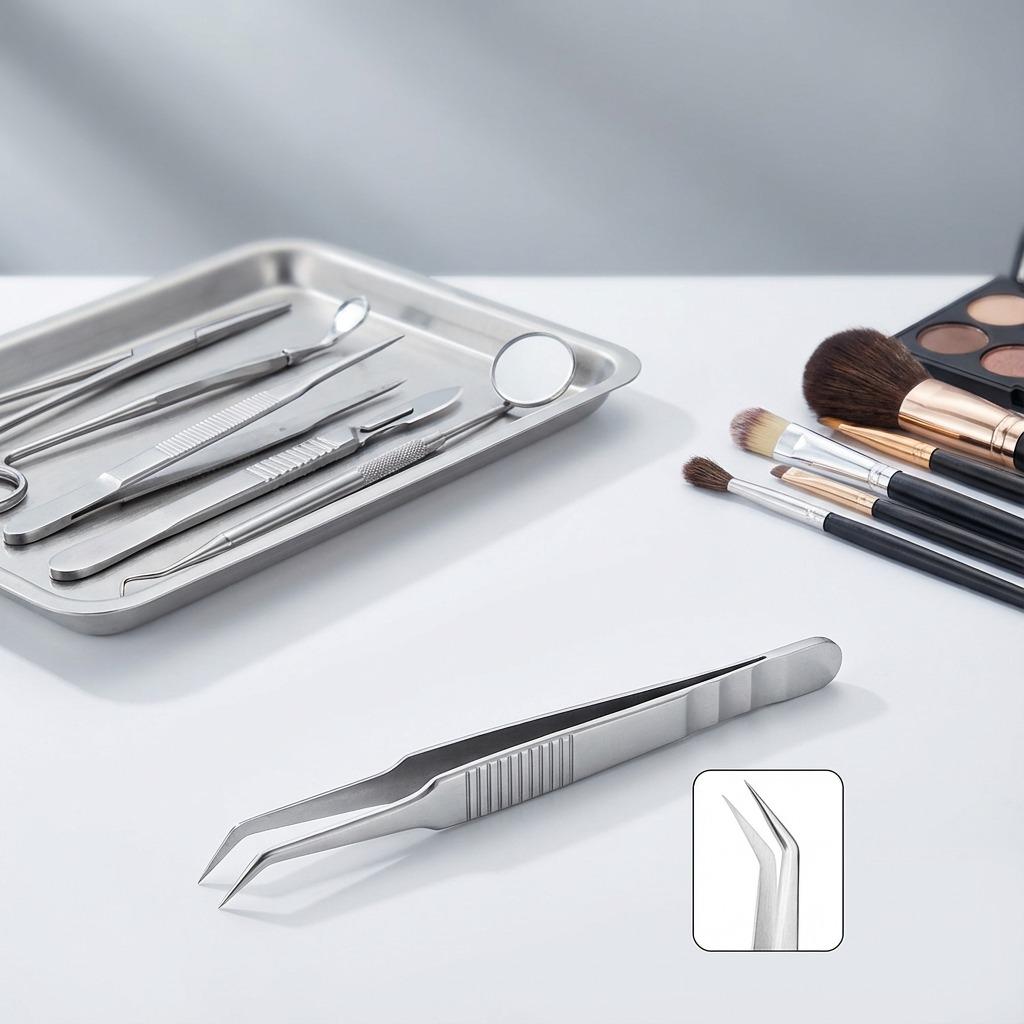
How to Choose a Tweezers Manufacturer for Precision, Branding, and Export Orders
Choosing the right tweezers manufacturer is not only about finding a low unit price. For beauty brands, salon suppliers, private-label buyers, and distributors, tweezers are small tools that reveal a lot about product quality. A pair that does not align correctly, loses grip quickly, feels uncomfortable in the hand, or arrives with inconsistent finishing can create complaints even when the product looks simple on a catalog page.
The best supplier for your business should be able to support practical performance, stable repeat orders, and brand presentation. That means evaluating manufacturing consistency, tip accuracy, customization options, packaging handling, export communication, and quality control before committing to wholesale volume. Olimor Beauty works in the beauty-tools field, and buyers comparing options can review related beauty tool products or browse broader product collections to understand how tweezers fit within a complete sourcing plan.
What Makes Tweezers Different from Generic Beauty Accessories?
Tweezers may look like a basic item, but they depend on small details. The two arms must meet evenly, the spring tension must feel controlled, and the tips must grip fine hair without cutting, slipping, or requiring excessive pressure. In beauty use, common applications include brow shaping, lash placement, grooming kits, travel sets, and retail personal-care assortments. Each use case may require a different shape, finish, and packaging approach.
A mass supplier may focus mainly on volume, while a more specialized beauty-tool manufacturer pays attention to repeatable alignment and a comfortable hand feel. That distinction matters for businesses that need customer trust. A salon professional may notice uneven closing immediately. A retail customer may not describe the technical reason, but they will know when the tool pulls poorly or feels harsh. For private-label programs, the tool must also support your brand identity through logo placement and consistent presentation.
Key Selection Criteria for a Tweezers Manufacturer
Before comparing quotations, create a practical checklist. This prevents decisions based only on price and helps your team compare suppliers in a consistent way.
- Tip type and intended use: Slanted tips are often preferred for brow shaping because they can contact hair at an angle. Curved or angled styles may be useful for lash or detailed beauty work. Confirm that the available shape matches your customer’s task.
- Tip alignment: The closing edges should meet cleanly. Poor alignment can cause slipping, uneven pulling, or pinching skin.
- Grip and tension: Tweezers should close smoothly without feeling too loose or too stiff. Excessive resistance can cause hand fatigue during professional use.
- Material and finish: Stainless steel precision tweezers are commonly valued in beauty tools because they can provide durability and a polished appearance when properly finished.
- Edge finishing: Tips should be controlled and consistent, not rough, bent, or visibly uneven.
- Customization capability: If you need custom logo tweezers, check whether the supplier can support branding on the tool, packaging, or both.
- Inspection process: Reliable manufacturers should have a clear method for checking raw materials, shaping, finishing, alignment, and packing quality.
- Export readiness: For international buyers, stable packing, documentation support, and communication during production are as important as the product itself.
Quality Questions That Reveal Manufacturing Discipline
When you are sourcing tweezers wholesale, ask questions that lead to measurable answers. Instead of asking whether the tweezers are “good quality,” ask how the supplier checks alignment, how defects are identified, and what appearance standards are used before packing. A reliable manufacturer should be able to describe the inspection flow without relying only on promotional language.
Useful questions include: How are tip alignment and closing force checked? Are samples reviewed before bulk production? What types of cosmetic defects are rejected? How are polished surfaces protected during packing? Can the supplier keep the same finish and logo position across repeat orders? These questions help separate a short-term trading offer from a long-term production partner.
For a distributor or brand owner, consistency across batches can be more important than a single impressive sample. A sample may look excellent, but the production order must match it closely enough to satisfy retail or professional users. If you plan to build a full beauty-tool range, choose a supplier that can discuss repeatability, packaging consistency, and future product expansion rather than treating each order as an isolated transaction.
Customization: Logo, Finish, Packaging, and Market Position
Custom logo tweezers can be useful for private-label beauty brands, promotional kits, brow studios, lash suppliers, travel sets, and gift packaging. Branding, however, should not be handled as an afterthought. A logo that is poorly positioned or applied to an unsuitable surface can make the product look low-grade even if the tweezer itself performs well.
When planning customization, consider where your customer first notices value. For an online beauty brand, packaging and product photography may matter strongly. For a salon or professional kit, hand feel and durability may carry more weight. For a wholesale distributor, carton packing and SKU identification may affect warehouse handling. The best customization plan balances visual identity with practical usability.
Common customization decisions include logo placement, surface appearance, retail card or pouch options, and packaging structure. Avoid adding design features that interfere with grip or cleaning. If your product will be sold as part of a kit, align the tweezer finish and packaging with companion tools so the range looks intentional rather than assembled from unrelated items.
Wholesale and Export Considerations for Long-Term Buyers
A trusted tweezers exporter should support more than production alone. Export buyers need clear communication, careful packing, and realistic production coordination. Even when the tweezer design is simple, international orders can create issues if product labeling, mixed SKU packing, carton strength, or inspection timing is not managed carefully.
Long-term buyers should evaluate whether the supplier can maintain stable quality while adapting to new branding or packaging requests. If your business sells through retail chains, e-commerce platforms, salons, or regional distributors, your supplier’s consistency affects your own reputation. Replacements, complaints, and delayed shipments can erase the benefit of a very low purchase price.
| Buyer Type | Priority When Choosing Tweezers | What to Check Before Ordering |
|---|---|---|
| Beauty brand | Logo, packaging, and consistent appearance | Logo sample, finish standard, packaging artwork fit |
| Salon supplier | Grip, comfort, and dependable performance | Tip alignment, closing tension, hand feel |
| Distributor | Stable repeat orders and export packing | Carton organization, SKU labels, inspection process |
| Promotional buyer | Brand visibility and cost control | Logo method, simple packaging, delivery coordination |
How to Assess Samples Before a Bulk Order
Samples should be examined in a structured way. Do not only look at the surface shine or packaging. Test several pieces, because a single sample cannot show consistency. Open and close the tweezers repeatedly, check the meeting point of the tips, and try gripping very fine hair or similar fine material. Inspect whether both arms are symmetrical and whether the tweezer feels balanced in the hand.
For branded samples, check logo clarity, placement, and resistance to casual handling. If the tweezers are supplied with retail packaging, review how the product sits inside the package and whether the customer can understand its tip type and purpose. If your target market values professional tools, avoid packaging that feels too light or does not protect the tip area well.
It is also useful to keep an approved reference sample. This becomes the benchmark for later production checks. Your internal team can compare future shipments against the approved sample for appearance, closing feel, and packaging details.
Maintenance Guidance You Can Share with Customers
Good manufacturers help buyers think beyond the sale. Simple care instructions can reduce complaints and improve customer satisfaction. Tweezers should be stored so the tips are protected from bending. Users should avoid dropping them onto hard surfaces because even a small impact can affect alignment. After use, the tool can be wiped clean and kept dry. If tweezers are included in a retail or professional kit, a small protective sleeve or secure package position can help preserve the tip shape during transport and storage.
For brands, adding concise care guidance to packaging or product pages can be valuable. It shows customers that the tool is a precision item, not a disposable accessory, and it helps them get better long-term performance.
Building a Better Sourcing Decision
The right tweezers manufacturer should combine practical performance, customization support, and stable export handling. Look for evidence of controlled tip alignment, consistent finishing, ergonomic consideration, and clear inspection practices. For private-label or wholesale programs, evaluate how well the supplier can support your brand presentation without compromising the core function of the tool.
If you are planning a tweezers order, developing a beauty-tool range, or comparing customization options, you can send an inquiry with your target use, branding needs, and packaging expectations. For more specific sourcing discussions, you may also contact Olimor to review the practical questions that should be settled before production.
Tag: