

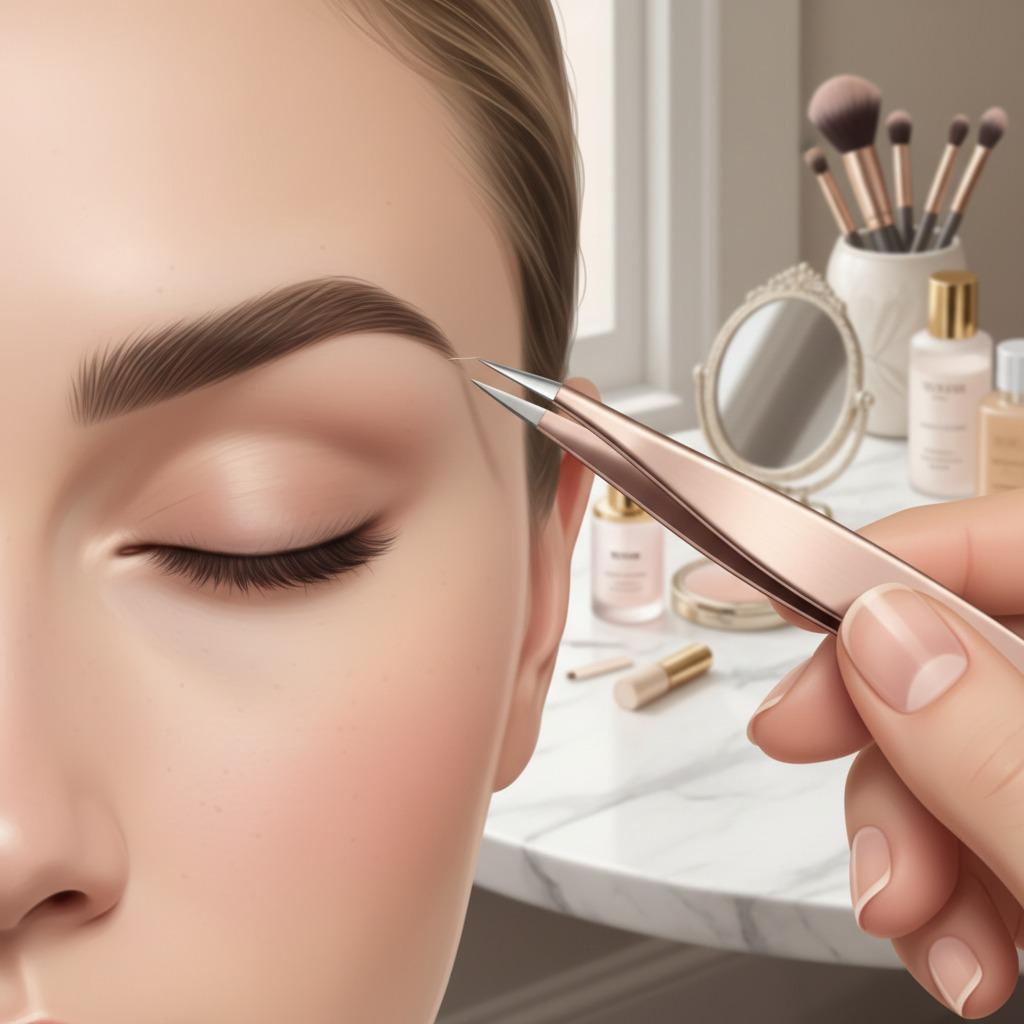
Best Tweezers for Fine Hair: Precision Without Frustration
Fine eyebrow hair can be surprisingly difficult to remove cleanly. It may lie flat against the skin, slip out of poorly aligned tips, or break before the root is removed. For personal grooming users, that means repeated pulling and redness. For salons, brow bars, and beauty-tool buyers, it means a tool that feels inconsistent in the hand and may not meet the expectations of precise brow shaping.
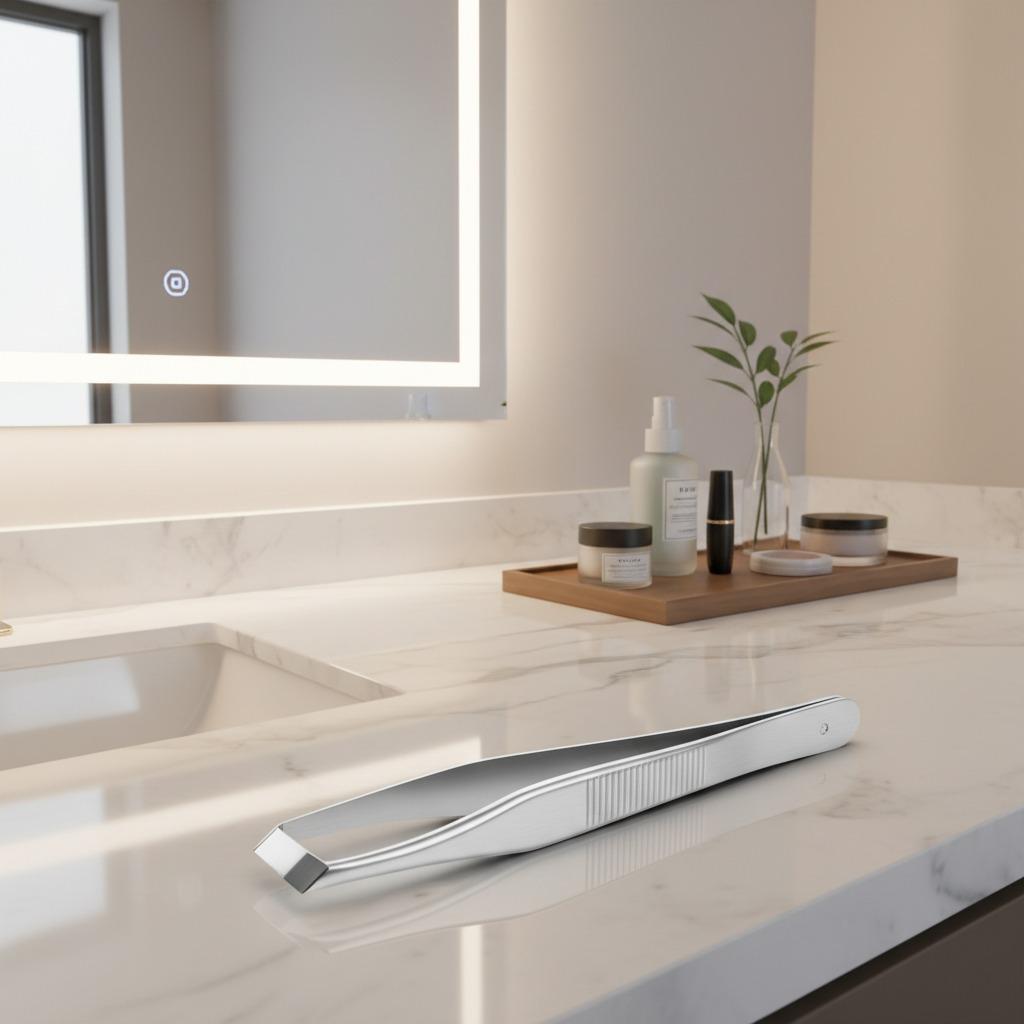
The best tweezers for fine hair are not defined by appearance alone. They need a tip shape that reaches close to the skin, enough closing accuracy to hold a thin hair securely, and a handle that allows controlled pressure without hand fatigue. Olimor Beauty eyebrow tweezers are described as stainless steel tweezers with a slanted tip and an ergonomic, non-slip handle, making them suitable for fine-hair brow grooming where control matters.
This guide explains how to evaluate tweezers for fine hair, why slanted tips are commonly preferred for brows, how to use them with less irritation, and what buyers should check when sourcing eyebrow tweezers for retail, salon, or private-label beauty tool assortments.
Why Fine Hair Needs a More Precise Tweezer
Coarse hair is easier to catch because it has more surface area and usually stands away from the skin. Fine hair behaves differently. It can be pale, soft, short, or flexible, and it often bends under the tweezer tip instead of staying in place. If the tweezer tips do not meet evenly, the hair slides out. If the edge is too blunt, the user squeezes harder, which can pinch skin. If the tips are too sharp or poorly finished, the tool can feel harsh around delicate brow areas.
For brow shaping, precision is especially important because one misplaced pluck can change the line of the arch. A fine-hair tweezer should help the user remove a single target hair rather than several neighboring hairs. This is where a well-made slanted tweezer has an advantage: the angled edge can approach the brow line from different directions while the pointed end of the slant can isolate individual hairs.
Common problems with low-quality tweezers include broken hairs, missed hairs, uneven grip, and discomfort from unstable hand pressure. These problems are not only inconvenient; they can also lead users to overwork the same area, which increases visible redness and makes the brow harder to judge during shaping.
What Makes Slanted Tweezers Effective for Fine Eyebrow Hair
Slanted tweezers are popular for eyebrow grooming because the angle gives a balance of accuracy and usable contact area. The long edge can grip a hair firmly, while the angled tip helps the user work close to the skin. For fine hair, this matters because the tweezer must hold the hair before it bends, slips, or breaks.
When evaluating slanted eyebrow tweezers, look beyond the word “slanted” and examine the actual working surfaces. The tips should close evenly along the gripping edge. The slant should feel controllable rather than awkward, and the handle should let the user apply gradual pressure. Olimor Beauty’s design emphasis on stainless steel construction, a slanted tip, and an ergonomic non-slip grip addresses the most practical needs for controlled plucking.
- Tip alignment: The two sides should meet cleanly so a fine hair does not escape through a gap.
- Slant usability: The angled edge should allow both broader grip and single-hair targeting near the brow line.
- Controlled tension: The tool should close smoothly without requiring excessive squeezing.
- Grip comfort: A non-slip handle helps maintain control, especially during detailed shaping.
- Clean material choice: Stainless steel is widely used for beauty tools because it is durable and easy to wipe clean when cared for correctly.
For buyers comparing multiple beauty tool products, these checks are more useful than judging by color or packaging first. A tweezer that looks attractive but cannot consistently grip fine hair will not perform well in daily use.
How to Use Tweezers on Fine Hair With Less Breakage
Technique affects results as much as the tool. Even a precise tweezer can break hair if used at the wrong angle or pulled too quickly. Fine hair should be gripped as close to the skin as possible without pinching the skin, then pulled in the direction of growth. This reduces the chance of snapping the hair mid-shaft.
- Clean the skin and tool first. Remove oil, makeup, and skincare residue that can make fine hair slippery.
- Use good lighting. Natural light or a bright mirror helps identify the specific hairs that need removal.
- Hold the skin gently taut. This gives a flatter surface and makes short fine hairs easier to catch.
- Place the slanted edge near the root. Avoid grabbing the very end of the hair, which increases breakage.
- Pull in the direction of hair growth. A steady motion is usually better than a sharp upward jerk.
- Pause and reassess the shape. Step back after a few hairs so the brow is not over-thinned.
Users with sensitive skin should avoid repeated attempts on the same hair. If a hair is too short to grip, it is often better to wait until it grows slightly rather than scrape at the skin. For professional settings, a consistent tweezer technique also helps deliver more predictable shaping results across clients.
Stainless Steel, Hygiene, and Everyday Maintenance
Stainless steel is a practical material for eyebrow tweezers because it supports regular cleaning and has the durability expected from a reusable grooming tool. However, any tweezer can lose performance if the tips are damaged, contaminated with product residue, or stored loosely with other metal tools.
After use, wipe the tips to remove skin oil and hair debris. If the tweezers are used in a professional environment, hygiene procedures should follow the salon’s local requirements and internal protocols. At home, the key is to keep the gripping edge clean and dry before storage. Avoid dropping the tool, because impact can misalign the tips and reduce its ability to grip fine hair.
Storage also matters. A pouch, sleeve, or dedicated compartment helps protect the tip edge. Tossing tweezers into a crowded cosmetics bag may seem harmless, but repeated contact with scissors, files, or metal accessories can affect the working edge. For retail buyers, protective packaging can be an important part of the product experience because it helps the customer preserve the tool after purchase.
Selection Checklist for Beauty Brands, Salons, and Retail Buyers
If you are sourcing tweezers for resale, salon use, or a beauty-tool range, the selection process should focus on repeatable performance. Fine-hair tweezers must feel precise not only in a sample but also across a batch. Because some technical details vary by production and finish, buyers should create a practical evaluation checklist before confirming a purchase.
| Selection factor | Why it matters for fine hair | What to evaluate |
|---|---|---|
| Tip alignment | Fine hair slips through uneven gaps | Close the tips under light pressure and check even contact |
| Slanted tip finish | The angle must isolate hair without scraping skin | Test on fine brow-like fibers or approved sample use |
| Handle grip | Stable hold improves single-hair accuracy | Check comfort with dry hands and after repeated closing |
| Material and cleaning | Reusable tools need practical maintenance | Confirm stainless steel construction and cleaning guidance |
| Packaging protection | Tips can be damaged before use | Review how the product is protected during storage and shipping |
This approach helps buyers compare products based on user experience rather than general claims. If you are building a wider grooming assortment, Olimor’s product collections can be reviewed alongside tweezers to create a more complete beauty-tool offering.
When to Choose Slanted Tweezers Over Other Tip Shapes
Different tweezer tip shapes serve different purposes. Pointed tweezers can be useful for very isolated work, but they require a steady hand and may be less forgiving for everyday brow maintenance. Flat tips can grip more surface area, but they may not reach fine or short hairs near the skin as easily. Slanted tweezers sit between these options, which is why they are often selected for eyebrow grooming.
For fine hair, a slanted tweezer is usually a practical first choice when the user wants a combination of control, visibility, and comfort. The angled edge allows the hand to stay at a natural position while the tip works along the brow contour. This can be helpful for beginners shaping at home and for professionals who need a dependable tool for repeated use.
The best choice still depends on the intended use. A retail beauty kit may benefit from a slanted tweezer because it is approachable for most users. A professional kit may include more than one tip shape, but the slanted tweezer often remains the everyday brow tool. Buyers considering custom assortments can contact Olimor to discuss product direction or send an inquiry with their sourcing requirements.
Final Buying Advice for Fine-Hair Brow Tweezers
The best tweezers for fine hair should do three things well: grip a thin hair securely, let the user work close to the skin, and remain comfortable during detailed brow shaping. Stainless steel construction, a slanted tip, and an ergonomic non-slip handle are all relevant features because they support precision, durability, and control.
For individual users, the main test is whether the tweezer removes fine hairs cleanly without repeated pulling. For salons and buyers, the priority is consistency: tip alignment, hand feel, cleaning practicality, and protective packaging should all be reviewed before adding a tweezer to a professional or retail range. With the right tool and careful technique, fine-hair removal becomes more predictable, less irritating, and easier to manage as part of a regular brow grooming routine.
Tag: