

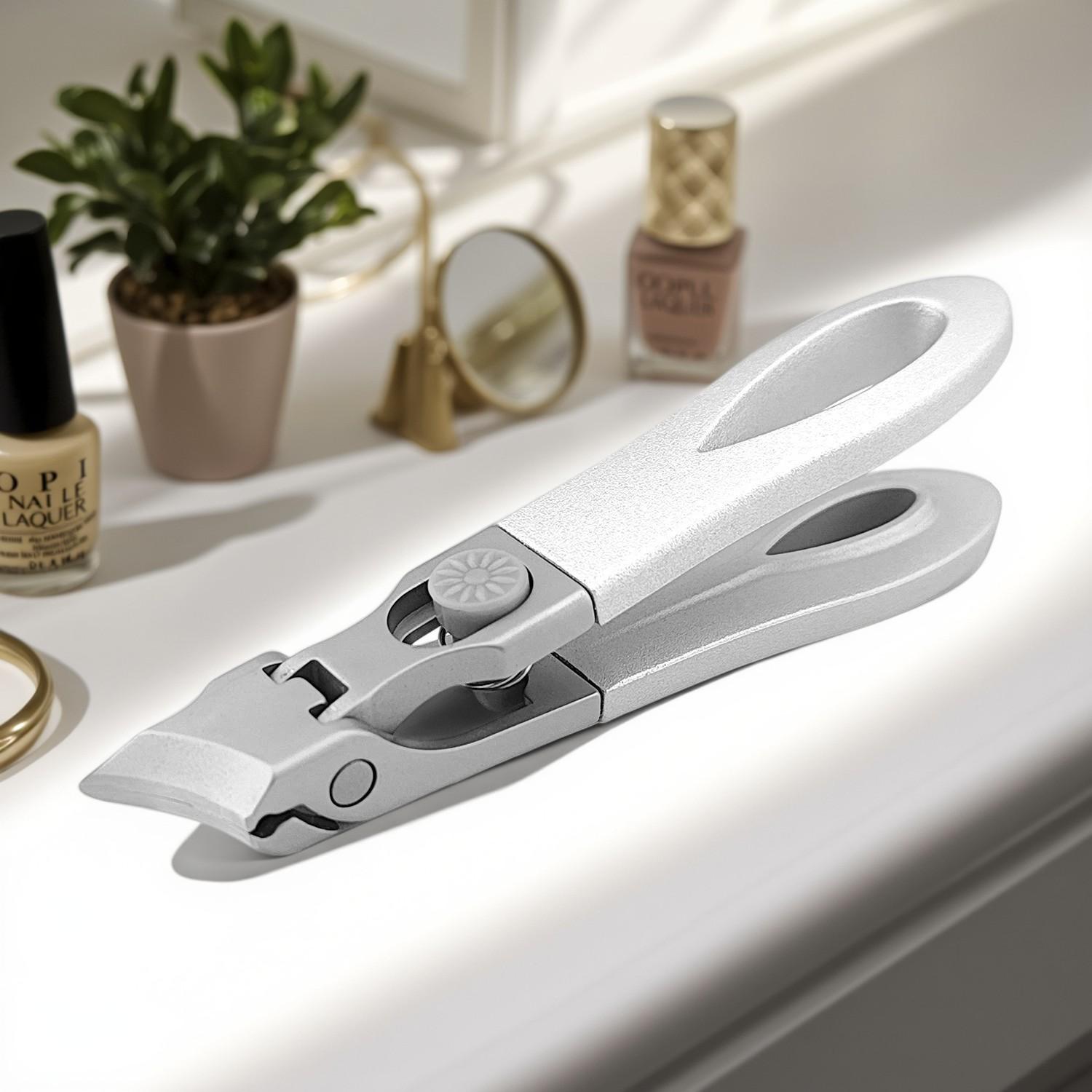
How to Choose a Nail Cutter for Clean, Comfortable Trimming
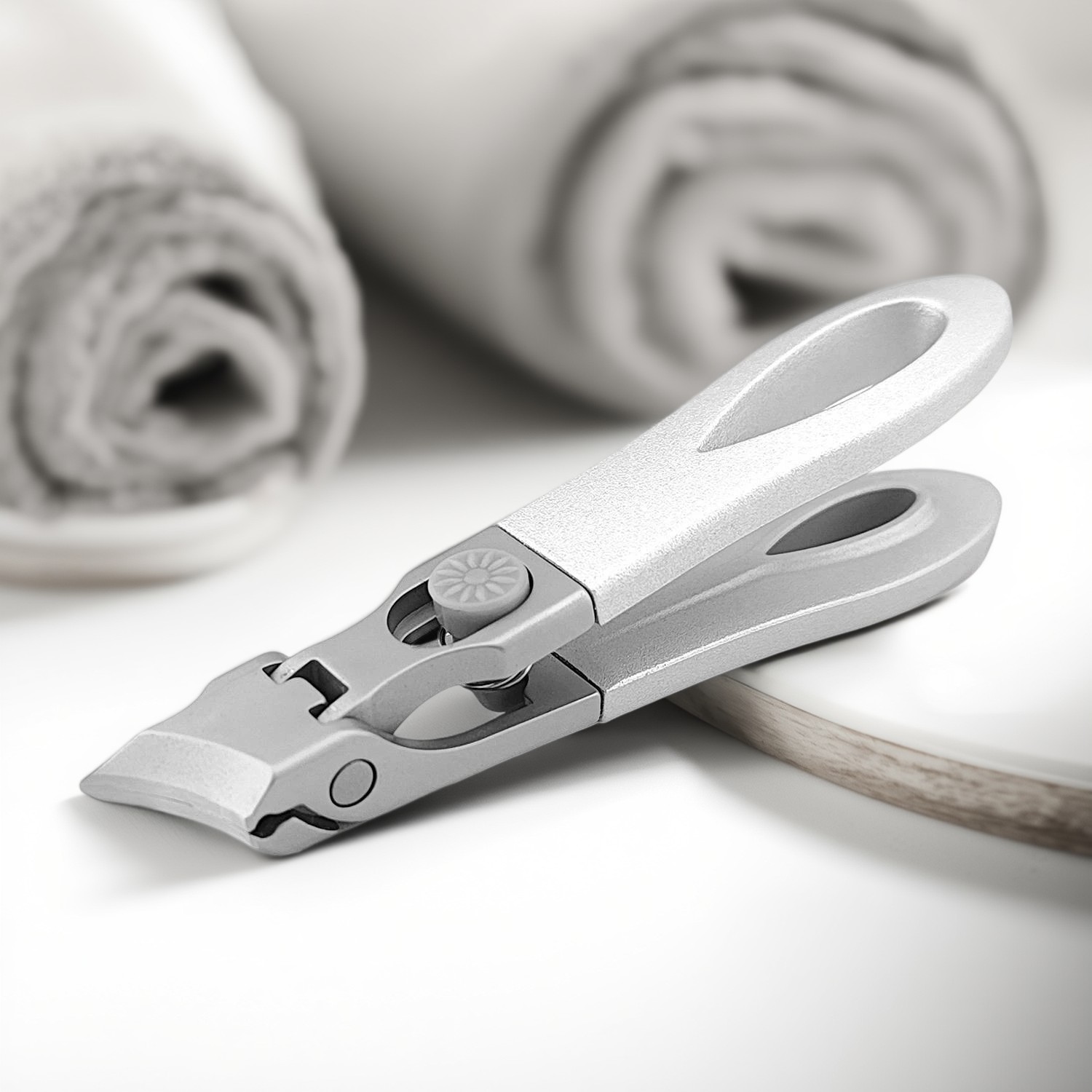
A nail cutter is a small tool, but its quality is easy to feel. A good cutter trims cleanly with controlled pressure, follows the nail shape without crushing the edge, and feels stable in the hand. A poor one can bend the nail before cutting, leave ragged edges, pinch the fingers, or become awkward to use on thicker nails.
For individual buyers, retailers, salons, distributors, and beauty-tool sourcing teams, the main question is practical: how do you choose a nail cutter that performs reliably, looks refined, and fits the intended use? The answer is to evaluate cutting alignment, leverage, grip comfort, surface finish, portability, cleaning access, packaging needs, and supplier consistency together rather than judging the tool by appearance alone.
This guide explains what to check before buying or sourcing nail cutters for personal grooming kits, travel sets, retail assortments, and professional beauty-tool ranges. It also covers comparison points, cost factors, maintenance, and supplier questions that help reduce quality risk.
What Makes a Nail Cutter Worth Choosing?
The best nail cutter for most users is not simply the sharpest or the most decorative. It is the one that balances a clean cut with easy control. The cutting edges should meet evenly, the lever should move smoothly, and the body should feel secure rather than flimsy. When those details work together, the user can trim gradually instead of forcing the tool through the nail.
Start by treating the cutting edge as the core performance feature. If the upper and lower jaws do not close evenly, the nail may twist, split, or leave an uneven edge. If the lever feels loose, the cutter may lack control. If the outside surfaces have rough burrs or uncomfortable corners, the tool may feel low quality even when the blade works.
Olimor Beauty focuses on beauty tools where function, finish, and user comfort matter. Buyers reviewing beauty tool products should consider the nail cutter as a daily-use item: it must be simple to understand, comfortable to hold, and dependable through repeated grooming use.
Blade Alignment and Cutting Performance
Blade alignment is the first inspection point. A nail cutter works by bringing two shaped cutting edges together under pressure. If the jaws close from one side before the other, the nail can be compressed rather than cut cleanly. If there is a visible gap when the tool is closed, the cutter may leave uncut sections or require extra force.
To inspect a sample, open and close the lever several times. The action should feel smooth, not gritty or unstable. Look at the cutting edges under good lighting and check whether they meet evenly across the curve. The cutting area should be free from obvious distortion, rough metal, or misalignment. A precise cutter should allow small corrections around corners without forcing the user to remove too much nail at once.
For fingernails, many users prefer a slightly curved cutting edge that follows the natural nail shape. For toenails or thicker nails, buyers often look for stronger leverage and a broader grip area. If one cutter is intended for general retail use, balance matters: it should be sharp enough to cut cleanly but controlled enough for ordinary daily grooming.
Signs of Poor Cutting Quality
- Crushing before cutting: The nail bends or whitens under pressure before the edge separates.
- Ragged finish: The user must file heavily after each trim because the cut is uneven.
- Uneven jaw closure: One side touches first while the other remains open.
- Excessive hand pressure: The lever requires more force than expected for normal trimming.
- Loose movement: The lever or hinge feels unstable during use.
These issues are especially important for B2B buyers because end users judge nail cutters quickly. A tool may look attractive in packaging, but repeat satisfaction depends on the first trimming experience.
Ergonomics: Grip, Leverage, and Control
Ergonomics are not only relevant to large tools. Because a nail cutter is compact, small design choices have a major effect on control. The user presses with the thumb or finger while stabilizing the body with the other hand. If the contact area is too narrow, too slippery, or poorly shaped, the cut becomes less precise.
A comfortable nail cutter should provide a secure pressing surface and enough body length for stable handling. Smooth sculpted areas or curved handle shapes can help the tool sit naturally in the hand. The lever should not pinch the skin or force the wrist into an awkward angle. A polished metallic finish can support a refined appearance, but the tool should still be easy to hold with dry or slightly moisturized hands.
For retail and sourcing teams, it is useful to test the cutter with different hand sizes. A compact model may be ideal for a travel kit but less comfortable for users who prefer a larger grip. A stronger cutter may feel more controlled on toenails but too large for a small manicure pouch. Ergonomic evaluation should include repeated opening, closing, and trimming motions rather than a single quick squeeze.
Material, Finish, and Durability Considerations
The supplied product details emphasize a metallic finish, durability, precision, comfort, and a polished look. These are valuable qualities for a nail cutter, but buyers should confirm them through handling and inspection. A durable cutter must tolerate repeated pressure at a small cutting point, and that depends on the blade area, lever structure, hinge stability, and body finish working together.
Surface quality matters for both comfort and perceived value. Check the lever edges, underside, corners, and grip areas. Rough metal, sharp non-cutting edges, or poorly finished surfaces can make the tool uncomfortable and may damage nearby items in a grooming pouch. The finish should be easy to wipe clean and should avoid unnecessary crevices that trap visible debris.
Durability should not be assessed only through product photos. Photos can show shape and shine, but they cannot show the smoothness of the lever, the consistency of jaw closure, or the feel of the grip. For B2B sourcing, sample evaluation should include repeated actuation, trial cutting on appropriate nail types, visual inspection under bright light, and comparison across more than one unit when possible.
Product Safety and Compliance Awareness
Nail cutters are personal grooming tools, so buyers should pay attention to product safety, labeling, packaging, and market requirements. Depending on the sales market, general consumer product safety frameworks may apply, such as the U.S. Consumer Product Safety Commission (CPSC) role in consumer product safety or the European Union General Product Safety Regulation (GPSR). Requirements can change, and applicability depends on product type, market, packaging, and distribution channel. Buyers should verify current versions and request relevant supplier documents rather than assuming compliance from appearance or marketing language.
Portability and Use Case: Home, Travel, Retail, or Professional Set
A nail cutter is often stored in a toiletry bag, bathroom drawer, handbag, office drawer, gym kit, salon station, or manicure set. Portability is useful, but compact size should not make the tool weak or difficult to control. A very small cutter may be convenient to carry yet uncomfortable on thicker nails or when used with the non-dominant hand.
For travel kits, the cutter should close neatly and avoid catching on fabric, pouches, or other grooming accessories. For home use, comfort and cutting feel may matter more than extreme compactness. For retail assortments, the tool should look refined in packaging and be intuitive for first-time buyers. For professional or repeated grooming use, consistency, cleaning access, and reliable leverage become more important.
Nail cutters also pair naturally with files, tweezers, scissors, and manicure accessories. Buyers reviewing beauty tool collections can assess whether the cutter’s finish, size, and style match the broader set rather than treating it as an isolated item.
Nail Cutter Selection Checklist
A structured checklist helps buyers compare tools more objectively. Use the table below when reviewing samples, choosing retail items, or discussing specifications with a supplier.
| Inspection Point | What to Check | Why It Matters |
|---|---|---|
| Blade alignment | Upper and lower cutting edges meet evenly without visible gaps or twisting. | Improves clean trimming and reduces crushing or partial cuts. |
| Cutting feel | Lever trims with controlled pressure and does not feel stiff or unstable. | Supports comfort and user confidence during regular grooming. |
| Grip comfort | Pressing area feels secure for different hand sizes. | Helps prevent slipping and awkward finger pressure. |
| Surface finish | Non-cutting edges are smooth, polished, and free from burrs. | Improves comfort, safety perception, and retail quality. |
| Portability | Tool fits neatly into pouches, kits, or packaging without snagging. | Important for travel sets and compact beauty assortments. |
| Cleaning access | Nail debris can be removed easily from the cutting area. | Supports hygiene and long-term usability. |
| Batch consistency | Multiple samples show similar cutting action and finish quality. | Reduces complaints and sourcing risk for B2B buyers. |
This checklist is also useful for supplier communication. Instead of asking only for a general “high quality” nail cutter, buyers can describe the specific performance and finish points they expect to review.
Cost Factors Without Overlooking Quality
Nail cutter cost can vary based on material selection, tooling complexity, finish requirements, packaging, order quantity, customization, inspection standards, and shipping arrangements. A lower-cost option may be suitable for basic promotional kits, while a more refined cutter may be better for retail beauty assortments or premium grooming sets. The right choice depends on the target user and selling channel.
Buyers should avoid comparing price without comparing function. Two cutters that look similar online may differ in jaw alignment, lever smoothness, finish quality, and consistency across units. Packaging can also influence cost: a simple bulk pack, individual retail card, pouch, or multi-tool manicure set may all require different handling and presentation.
For commercial sourcing, the most useful conversation is not “What is the cheapest nail cutter?” but “What specification fits the intended market, and how will quality be checked?” This approach keeps cost control connected to user satisfaction. It also helps suppliers recommend suitable options without promising unsupported performance claims.
Maintenance and Hygiene for Longer-Lasting Use
A well-made nail cutter performs better when it is cleaned and stored properly. After each use, remove nail debris from the cutting area and wipe the tool dry. If the cutter is kept in a bathroom or travel pouch, avoid leaving it damp for long periods. Moisture and residue can affect appearance and movement over time.
Use the cutter only for nails. Cutting wire, plastic tags, packaging ties, or other hard materials can damage the cutting edge or affect alignment. If the lever becomes loose, rough, or unusually difficult to press, inspect the tool before continued use. A nail cutter is a personal hygiene item, so it should be stored separately from dirty objects and not shared without proper cleaning.
For salons and beauty businesses, cleaning practices should follow local hygiene rules and the business’s own sanitation procedures. If the tool is sold into regulated retail channels, buyers should also confirm packaging, warnings, and usage information appropriate for the destination market.
How to Evaluate a Nail Cutter Supplier
Supplier evaluation is important because nail cutters are tactile products. A buyer cannot confirm performance from a catalog image alone. A reliable supplier should be able to discuss the intended use, finish options, packaging needs, inspection expectations, and customization requirements clearly.
Before placing a bulk order, request samples where appropriate and compare more than one unit. Check whether the cutting action feels consistent, whether the finish is uniform, and whether the tool matches the intended market positioning. If customization is needed, confirm which elements can be adjusted, such as finish, packaging, set combination, or branding method, without assuming that every option is available for every model.
Useful supplier questions include: How are samples reviewed before approval? What packaging choices are available? What product information can be provided for the destination market? How are visual defects and functional issues handled during inspection? What customization steps may affect cost or timing? Clear answers help reduce misunderstandings and support a smoother sourcing process.
If you are comparing grooming tools for a retail line, travel kit, or beauty assortment, you can contact Olimor Beauty to discuss selection needs or send an inquiry with product, packaging, and market details.
Frequently Asked Questions
Can I request nail cutter samples before placing a larger order?
Sample availability depends on the product and sourcing request. Samples are useful because they allow buyers to check blade alignment, hand feel, surface finish, packaging presentation, and overall suitability before confirming a broader order.
Is there a fixed MOQ for nail cutters?
MOQ can vary by product style, customization, packaging, and order requirements. Buyers should confirm the current MOQ directly with the supplier for the specific nail cutter and configuration they need.
Can nail cutters be customized for retail or promotional use?
Customization may be possible depending on the model and project requirements. Common discussion points include finish, packaging, set combination, and branding approach. Buyers should confirm feasible options, artwork requirements, and any effect on cost or production timing before approval.
How should B2B buyers check nail cutter quality?
Quality checks should include blade alignment, smooth lever movement, cutting performance, grip comfort, burr-free surfaces, clean finish, packaging condition, and consistency across samples or production units. Destination-market safety and labeling requirements should also be verified with current supplier documents.
What affects nail cutter lead time?
Lead time can be influenced by product availability, order quantity, customization, packaging, inspection, and shipping method. Buyers should confirm timing for the exact order details instead of relying on a general estimate.
Choosing a Nail Cutter with Confidence
A reliable nail cutter should cut cleanly, feel comfortable, store easily, and maintain a refined appearance through regular use. The strongest choice is rarely based on one feature. It comes from the balance of cutting precision, ergonomic control, smooth finish, portability, cleaning access, and supplier consistency.
For personal grooming, choose a cutter that feels stable and trims without excessive pressure. For retail or B2B sourcing, inspect samples carefully, compare multiple units, and connect cost decisions to performance expectations. By focusing on practical quality rather than appearance alone, buyers can select nail cutters that better satisfy everyday users and fit professional beauty-tool assortments.
Tag: