

Best Nail Clipper for Clean Cutting, Control, and Everyday Grooming
Choosing the best nail clipper is not only about finding a tool that cuts. For personal grooming, salon retail, travel kits, gift sets, and beauty tool sourcing, a nail clipper needs to deliver a clean edge, feel stable in the hand, and remain dependable through repeated use. A poorly made clipper can crush the nail, leave jagged corners, or require too much pressure. A well-designed clipper makes trimming faster, safer, and more consistent.
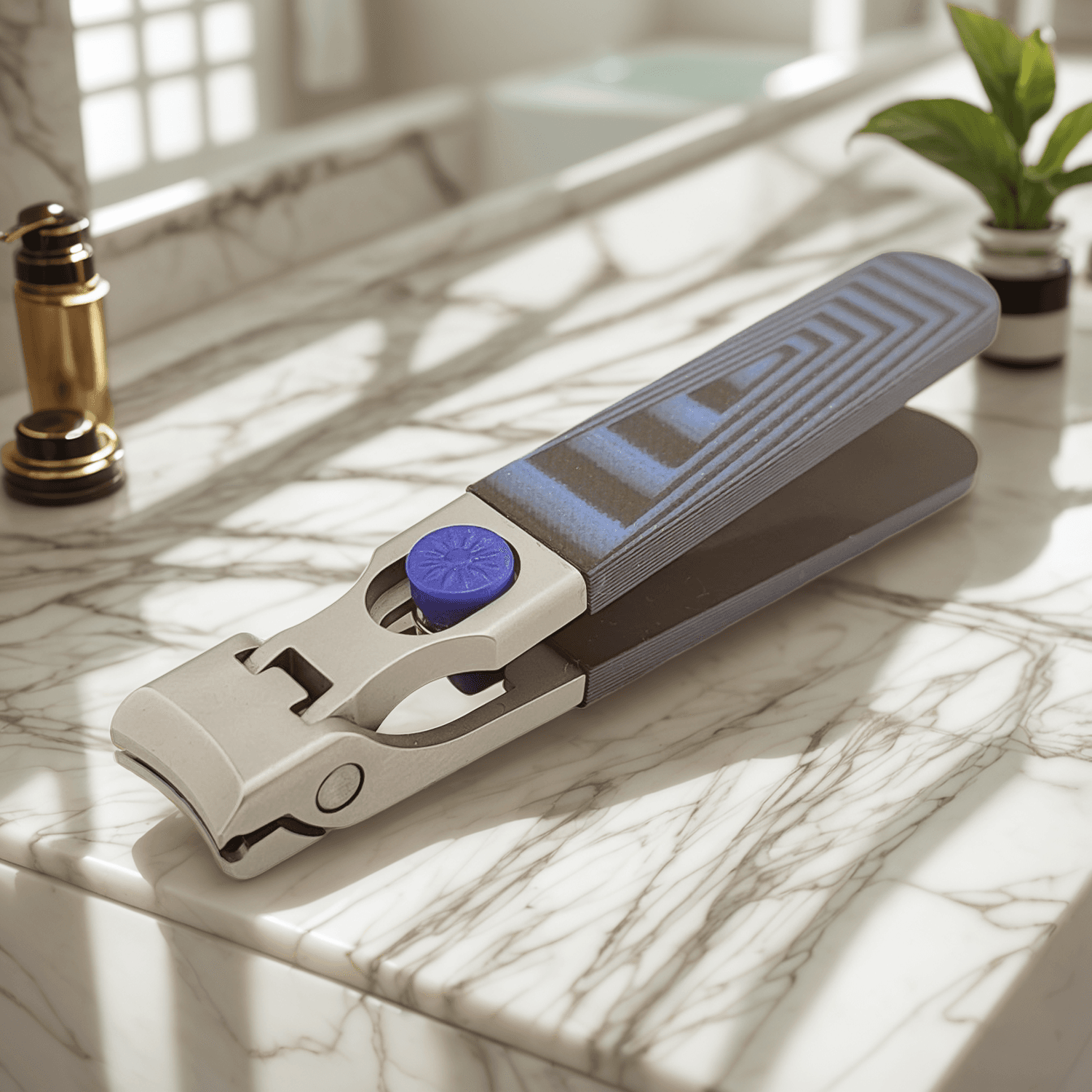
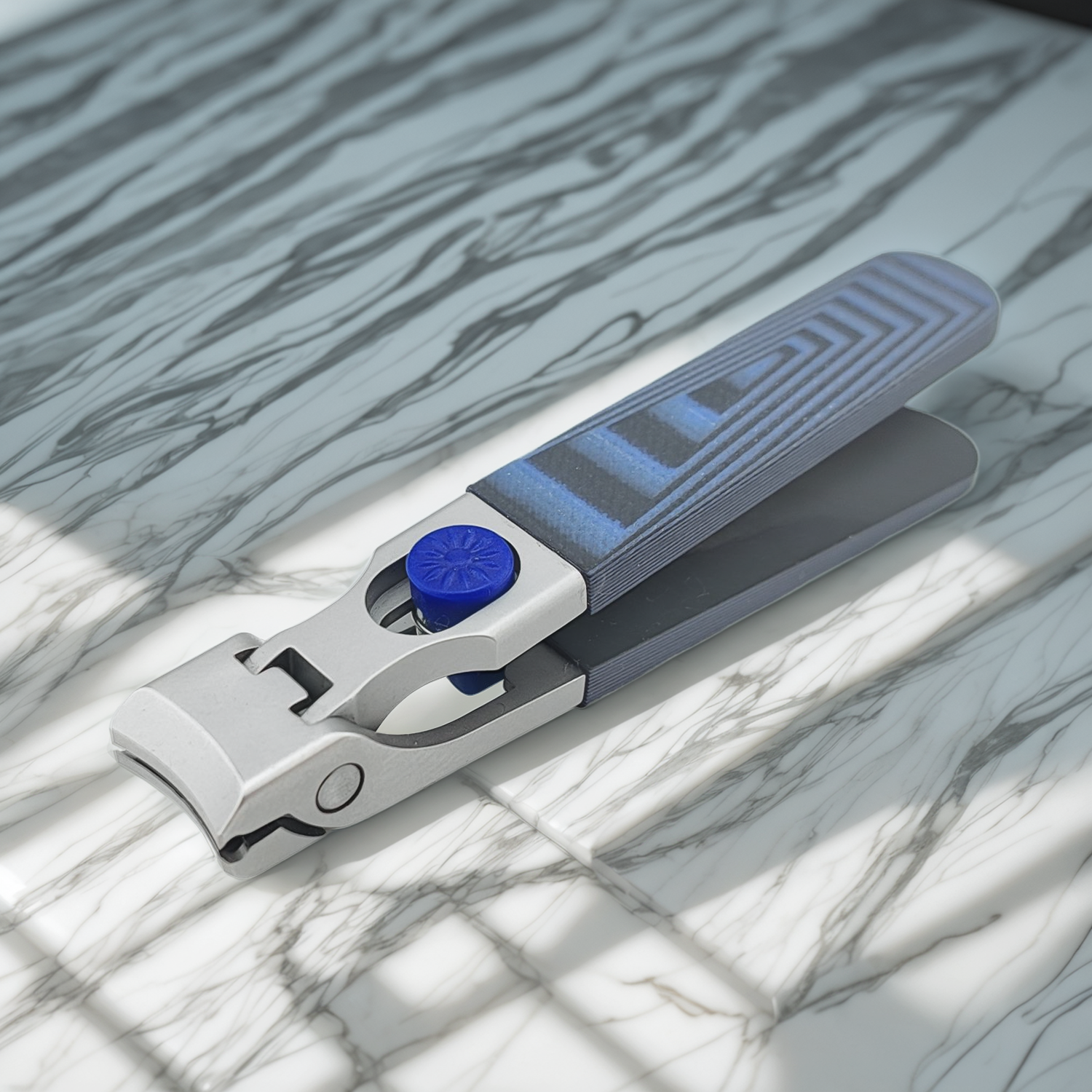
Olimor Beauty focuses on practical grooming tools that combine reliable cutting performance with an appealing appearance. The nail clipper shown here features a stainless steel construction, an ergonomic shape, and a deep navy blue geometric pattern. Those details matter because nail clippers are small tools used frequently; buyers notice both how they perform and how they feel in daily use.
What Makes a Nail Clipper Worth Choosing?
A good nail clipper should cut cleanly with one controlled press. The cutting edges should meet evenly, the lever should move smoothly, and the body should feel rigid rather than flimsy. These qualities are especially important for buyers comparing a general grooming clipper with a professional nail clipper for retail, promotional kits, or beauty accessory programs.
The best nail clipper for everyday use usually balances four factors: sharpness, leverage, comfort, and durability. Sharp cutting edges help reduce tearing. Strong leverage allows the user to trim with less force. A comfortable body improves control, especially when trimming the dominant hand or reaching toenails. Durable materials help the tool keep its shape and resist premature wear.
Appearance also plays a role. A clipper is often kept on a vanity, placed inside a grooming kit, or sold as part of a personal care assortment. The deep navy blue geometric pattern on this Olimor Beauty nail clipper gives the tool a more refined look without distracting from its practical purpose.
Hand Nails, Toenails, and Pedicure Use Cases
Not every trimming task is the same. Fingernails are usually thinner and easier to shape, while toenails can be thicker and may need stronger cutting pressure. A pedicure nail clipper should feel stable and capable of cutting without twisting or flexing. For users, this means fewer rough edges and less risk of splitting the nail. For sourcing teams, it means paying close attention to blade alignment and the strength of the clipper body.
For personal care brands and beauty retailers, it is useful to think about the intended customer. A compact clipper may suit travel kits, while a larger or stronger clipper may be better for pedicure-focused sets. The Olimor Beauty clipper described on this page is positioned around precision, professional appearance, and durable stainless steel construction, making it suitable for buyers who want a grooming tool that feels more considered than a basic disposable accessory.
- For daily fingernail trimming: look for a smooth lever action and clean cutting edge.
- For toenail trimming: prioritize strength, control, and enough leverage for thicker nails.
- For salon retail: choose a clipper that looks presentable and feels solid in the hand.
- For grooming kits: consider how the clipper matches other tools in finish, size, and packaging style.
- For gifting or promotional use: appearance and perceived quality are just as important as basic function.
Key Selection Criteria for Buyers and Product Teams
When evaluating a nail clipper for wholesale, private label planning, or collection development, the product should be assessed as both a tool and a consumer item. A clipper may look attractive in photos, but the real test is whether it cuts cleanly, feels balanced, and maintains consistent performance after repeated operation.
| Selection point | Why it matters | What to check |
|---|---|---|
| Cutting edge alignment | Uneven edges can crush or tear nails. | Close the clipper slowly and confirm the edges meet evenly. |
| Lever resistance | Too much force makes trimming uncomfortable. | Test whether the lever presses smoothly without wobbling. |
| Body strength | A weak body can flex during toenail trimming. | Check rigidity and stability under normal pressure. |
| Surface finish | The finish affects comfort, appearance, and shelf appeal. | Inspect edges, corners, pattern quality, and overall neatness. |
| Ergonomic feel | Better grip improves control and precision. | Hold the tool from different angles and test one-handed operation. |
This kind of checklist is especially useful when comparing multiple beauty tool products. It keeps the discussion focused on measurable handling and finishing details rather than relying only on appearance or general claims.
Why Stainless Steel and Ergonomics Matter
The original appeal of a stainless steel nail clipper is straightforward: the material is commonly associated with strength, durability, and a clean grooming-tool appearance. In nail clippers, the body and cutting edges must remain stable because even small alignment issues can affect the trimming result. Olimor Beauty describes this clipper as crafted from high-grade stainless steel, giving it a durable base for repeated grooming use.
Ergonomics are equally important. A clipper can be sharp, but if the user cannot hold it comfortably, the cutting result may still be uneven. An ergonomic shape helps the user position the tool accurately and apply pressure with control. This is particularly helpful when trimming toenails, shaping corners, or using the clipper with the non-dominant hand.
The deep navy blue geometric pattern adds visual distinction. For retailers and beauty businesses, a distinctive surface treatment can help a grooming tool feel more intentional in a product display or set. For end users, it makes the item easier to recognize in a drawer, toiletry bag, or manicure kit.
How to Use a Nail Clipper for a Cleaner Result
Even the best nail clipper performs better when used correctly. Rushing the trim or trying to remove too much nail at once can lead to rough edges. For thicker toenails, it is usually better to take small controlled cuts instead of forcing one deep cut across the nail.
- Clean and dry the clipper before use, especially if it has been stored in a shared kit.
- Trim nails after washing, when they are clean; avoid cutting nails when the area is irritated.
- Cut small sections at a time, following the natural nail shape.
- Do not cut too deeply into corners, particularly on toenails.
- Smooth sharp edges with a nail file if needed.
- Wipe the clipper after use and store it in a dry place.
For pedicure use, comfort and visibility matter. Sit in a stable position, keep the foot supported, and avoid twisting the clipper to reach difficult angles. If nails are unusually thick, painful, or discolored, grooming tools should not be treated as a substitute for professional care.
Maintenance and Storage for Longer Tool Life
A nail clipper is a small tool, but it benefits from the same care as other beauty implements. After trimming, remove nail debris and wipe the cutting area. Keeping the clipper dry helps preserve the finish and maintains a cleaner tool for the next use. In retail or salon environments, hygiene procedures should match the setting’s standard practices and local requirements.
Storage also affects the user experience. A clipper thrown loosely into a crowded drawer may collect residue or suffer cosmetic scratches. For grooming kits, a pouch or fitted compartment can help keep the tool clean and easier to find. Product teams developing product collections should consider whether packaging, inserts, or complementary tools support the same quality impression as the clipper itself.
Sourcing Questions for a Professional Nail Clipper
For importers, distributors, beauty brands, and promotional buyers, choosing a nail clipper involves more than selecting a shape. The tool should be reviewed for cutting consistency, finish quality, packaging compatibility, and the intended market. Because nail clippers are used directly on the body, small defects can quickly become customer complaints.
Useful sourcing questions include: Does the lever operate smoothly across different samples? Are the cutting edges consistent from piece to piece? Does the surface finish match the desired retail positioning? Is the clipper comfortable for both hand and foot grooming? Does the design fit the rest of the product line? These questions help identify whether a product is appropriate for basic utility, premium grooming sets, or professional beauty retail.
Olimor Beauty applies internal quality control through production, from raw material sourcing to final packaging. For buyers, that quality mindset should be paired with clear evaluation standards and sample review. If you are comparing specifications, finishes, or packaging directions for a nail clipper program, you can send an inquiry or contact Olimor to discuss the product requirements.
A Practical Choice for Precision and Presentation
The best nail clipper is one that performs reliably without making the user think about the tool. It should cut cleanly, sit comfortably in the hand, and look appropriate for the grooming category it belongs to. This Olimor Beauty nail clipper brings together stainless steel construction, an ergonomic form, and a deep navy blue geometric design for buyers who want a grooming tool with both practical function and polished presentation.
Whether you are building a personal care assortment, comparing a pedicure nail clipper for thicker nails, or selecting a professional nail clipper for retail display, focus on the details that affect real use: edge alignment, leverage, grip, finish, and care. Those are the features that turn a simple grooming accessory into a tool people continue to use.
Tag: