

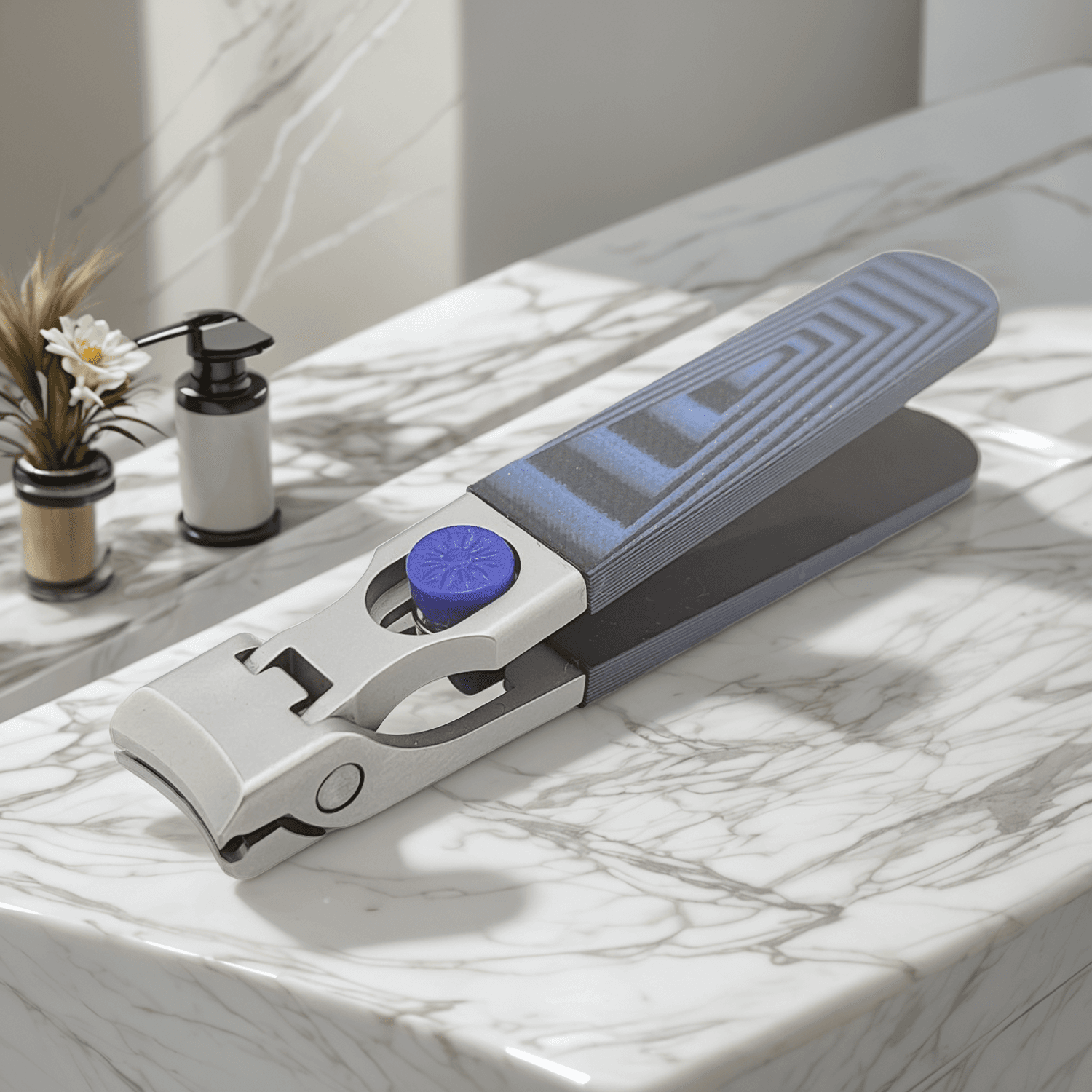
Best Nail Clipper: Precision Matters for Manicures, Pedicures and Everyday Grooming
Finding the best nail clipper may seem like a small decision, but the tool you use has a direct effect on comfort, nail appearance and trimming control. A dull or poorly aligned clipper can leave crushed edges, small cracks or uneven corners that catch on fabric. A well-made clipper, by contrast, cuts cleanly with less pressure and helps make nail care faster, neater and easier to repeat.
For personal grooming, salon use, retail sourcing or beauty tool procurement, the right clipper is not defined by one feature alone. Buyers should look at blade geometry, hinge stability, handle grip, material durability, finish quality and packaging suitability. This guide explains how to evaluate a professional nail clipper for both fingernails and toenails, with practical criteria that help separate a basic tool from one built for consistent results.
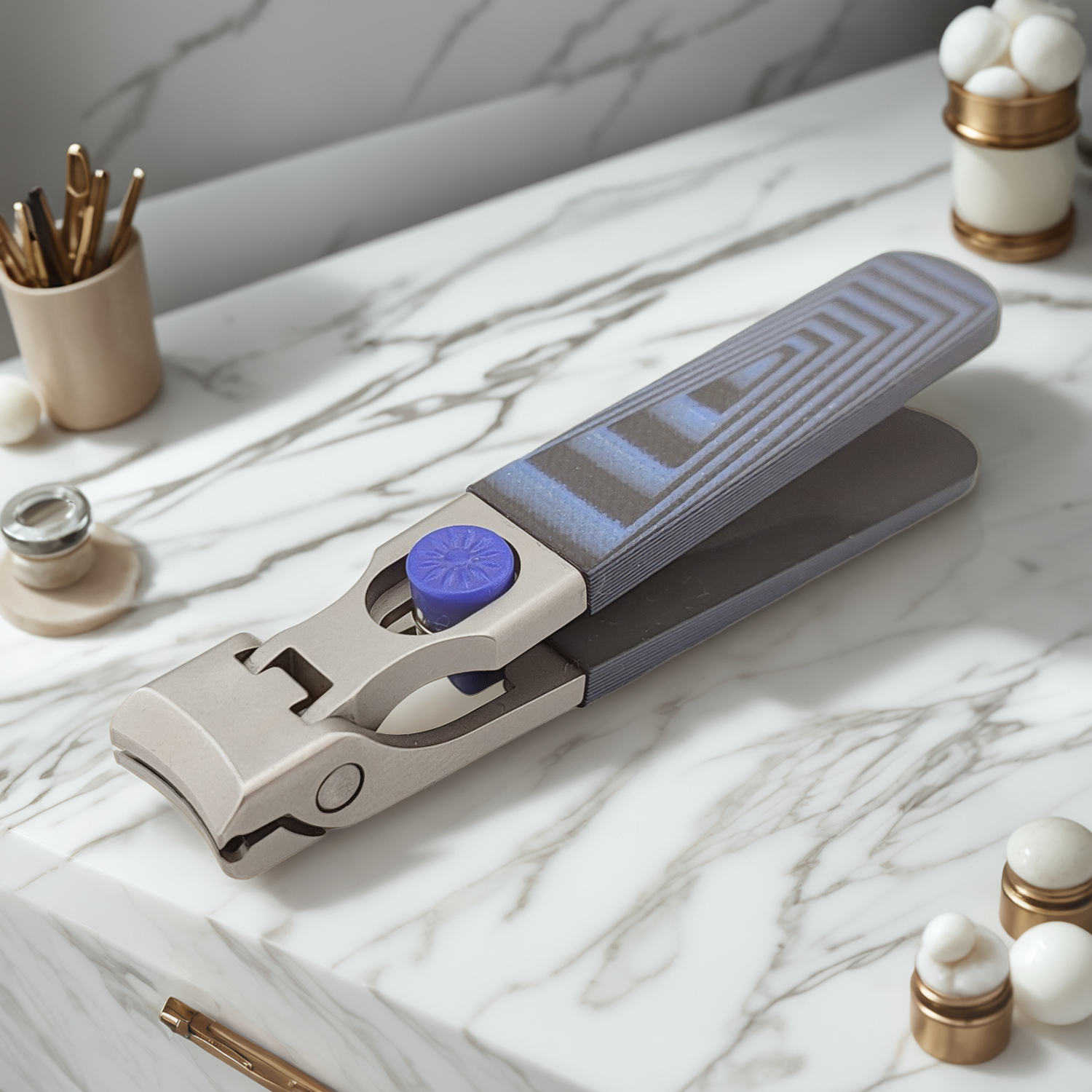
What Makes a Nail Clipper Cut Cleanly?
The most important job of any nail clipper is simple: it should cut the nail instead of crushing it. Clean cutting depends on sharp blades, accurate blade alignment and a lever that transfers pressure smoothly. When the cutting edges meet evenly from one side to the other, the nail separates with a crisp edge. When the blades are uneven, the user may need to squeeze harder or clip the same area repeatedly, which increases the chance of splitting.
Blade shape also matters. A curved blade can follow the natural shape of fingernails and is commonly preferred for routine manicure trimming. A straighter or wider cutting edge may feel more controlled for toenails, especially when reducing length before refining the corners. The ideal choice depends on the user’s nail thickness, hand strength and trimming habit.
For professional nail clipper evaluation, pay close attention to the following:
- Blade alignment: The two cutting edges should meet evenly without visible gaps.
- Sharpness: A good clipper should cut cleanly without requiring excessive force.
- Lever action: The handle should move smoothly and return without wobbling.
- Edge finish: There should be no rough burrs around the blade, hinge or handle.
- Grip security: Textured or shaped handles can improve control, especially when hands are damp.
Choosing Between a Manicure and Pedicure Nail Clipper
Many shoppers want one clipper that can handle both hands and feet. That can work if the tool has enough strength for thicker toenails while still offering enough control for smaller fingernails. However, it is useful to understand the different demands of manicure and pedicure trimming.
Fingernails are usually thinner and benefit from a clipper that allows small, precise cuts. This helps users follow the nail curve gradually instead of removing too much at once. Toenails are often thicker and flatter, so a pedicure nail clipper should feel sturdy and stable. The user should not have to twist the tool or use uncomfortable force to complete the cut.
| Use case | Helpful clipper feature | Why it matters |
|---|---|---|
| Routine fingernail trimming | Moderate curved blade and controlled lever | Allows small cuts and a smoother natural shape |
| Toenail trimming | Stronger construction and stable hinge | Reduces pressure needed on thicker nails |
| Travel grooming kit | Compact size and secure handle | Saves space while remaining practical |
| Salon or retail selection | Consistent finish and reliable operation | Supports repeat use and customer confidence |
If you are sourcing a range of beauty tool products, it may be practical to compare several clipper sizes rather than relying on a single universal option. Olimor provides broader product browsing through beauty tool products, where buyers can review related grooming tools and consider how a nail clipper fits into a complete beauty care assortment.
Material, Finish and Durability Considerations
Durability begins with material selection and continues through forming, sharpening, polishing and assembly. High-quality nail clippers are often made from durable metals such as stainless steel or titanium alloy, both valued for strength and resistance to everyday wear. The exact material should be evaluated together with the intended price level, finish requirements and end-market expectations.
A smooth finish is more than a visual detail. Rough edges around the lever, nail file area or blade opening can make the clipper uncomfortable to hold and harder to clean. A well-finished surface should feel even in the hand, without sharp burrs or areas that scrape the skin. The hinge should feel secure rather than loose, because hinge movement affects how accurately the blades meet.
For retail buyers, finish consistency is also important across a batch. A single sample may look acceptable, but repeated inspection helps reveal whether polishing, plating, branding areas or packaging presentation remain consistent. When comparing samples, check several pieces side by side under good lighting and operate each clipper multiple times. Small differences in lever resistance or blade closure can become noticeable to end users.
Ergonomics: Why Grip and Control Affect Results
A sharp clipper still needs to feel safe and steady in the hand. Ergonomic design is especially important for people who trim nails frequently, older users with reduced hand strength, or professionals who handle grooming tools throughout the day. A textured handle can provide a more secure grip, helping users keep the cutting angle steady.
Control is not only about comfort; it affects the final nail edge. If the clipper slips or rocks during use, the user may cut too deeply into the corner or leave an uneven shape. A handle with enough length and traction allows the user to apply pressure gradually. The lever should not feel too stiff for normal trimming, but it should not feel loose or unstable either.
When testing a clipper, hold it as a real user would. Try it at different angles, including the position used for toenails, where reach and visibility may be less convenient. A clipper that feels balanced during this practical test is more likely to satisfy daily grooming needs.
How to Use a Nail Clipper for Cleaner Results
Even the best nail clipper performs better when used correctly. Good trimming technique reduces jagged edges and helps protect the nail from unnecessary stress. The goal is to shorten gradually, not force the entire shape in one cut.
- Clean the tool first. Wipe the clipper before use, especially if it has been stored in a shared kit or travel bag.
- Trim after washing or bathing if nails are very hard. Slightly softened nails may be easier to cut, but they should not be slippery.
- Make several small cuts. Follow the natural shape instead of trying to remove a large section at once.
- Avoid cutting too deeply at the corners. This is especially important for toenails, where overly rounded corners can cause discomfort.
- Smooth the edge if needed. A file can refine small points left after clipping.
- Clean and dry the clipper after use. Removing nail dust and moisture supports hygiene and long-term function.
For household use, each person may prefer a different trimming style. For salon or shared environments, sanitation procedures and local hygiene rules should guide how tools are cleaned, stored and assigned.
Buyer Checklist for Sourcing a Professional Nail Clipper
For distributors, retailers and beauty brands, choosing a nail clipper is also a sourcing decision. The product must feel good in the hand, perform consistently and match the expectations of the target customer. A low-cost item that cuts poorly can create returns or negative reviews, while a better-designed clipper can strengthen a grooming set or beauty tool line.
Use this checklist when evaluating samples or planning a purchase:
- Does the clipper cut cleanly through both thin and thicker sample nails without crushing?
- Are the blades aligned evenly when closed?
- Does the hinge remain stable after repeated opening and closing?
- Is the handle comfortable, with enough texture or shape for grip?
- Are all exposed edges polished smoothly?
- Is the product easy to wipe clean after use?
- Does the finish match the intended retail positioning?
- Is the packaging suitable for display, shipping and user instructions?
- Can the clipper fit into a broader grooming set or beauty tool collection?
If you are building a coordinated assortment, it can be helpful to review product collections and compare how nail clippers, tweezers, scissors and other tools work together in terms of use case and presentation. For custom purchasing questions or sample discussions, you can also send an inquiry to Olimor.
Care and Maintenance for Longer Tool Life
A nail clipper is a small tool, but it still benefits from basic care. After trimming, remove nail particles from the blade area and wipe the surface dry. Storing the clipper in a dry place helps protect the finish and keeps the hinge moving properly. If the clipper is part of a travel kit, avoid leaving it loose with heavy metal items that can scratch the surface or damage the cutting edge.
Do not use a nail clipper for tasks it was not designed for, such as cutting wire, plastic tags or thick non-nail materials. Misuse can dull the blades or affect alignment. If a clipper begins to crush rather than cut, or if the lever becomes unstable, it is time to replace it. A clean, sharp and well-aligned tool is safer and more pleasant to use than one that requires force.
Final Thoughts: Precision Is the Real Value
The best nail clipper is not simply the shiniest or heaviest option. It is the one that combines sharp aligned blades, stable construction, comfortable grip and a finish that matches the user’s expectations. For manicures, it should allow controlled shaping. For pedicures, it should provide the strength needed for thicker nails without awkward pressure. For retailers and beauty tool buyers, it should deliver consistent quality that customers can feel immediately.
Olimor Beauty focuses on practical beauty tools that support everyday grooming with dependable design and usability. Whether you are choosing a personal clipper or sourcing professional nail clipper options for a product line, evaluate the tool through real handling, clean cutting performance and long-term maintenance. Those details are what turn a simple grooming item into a reliable part of nail care.
Tag: