

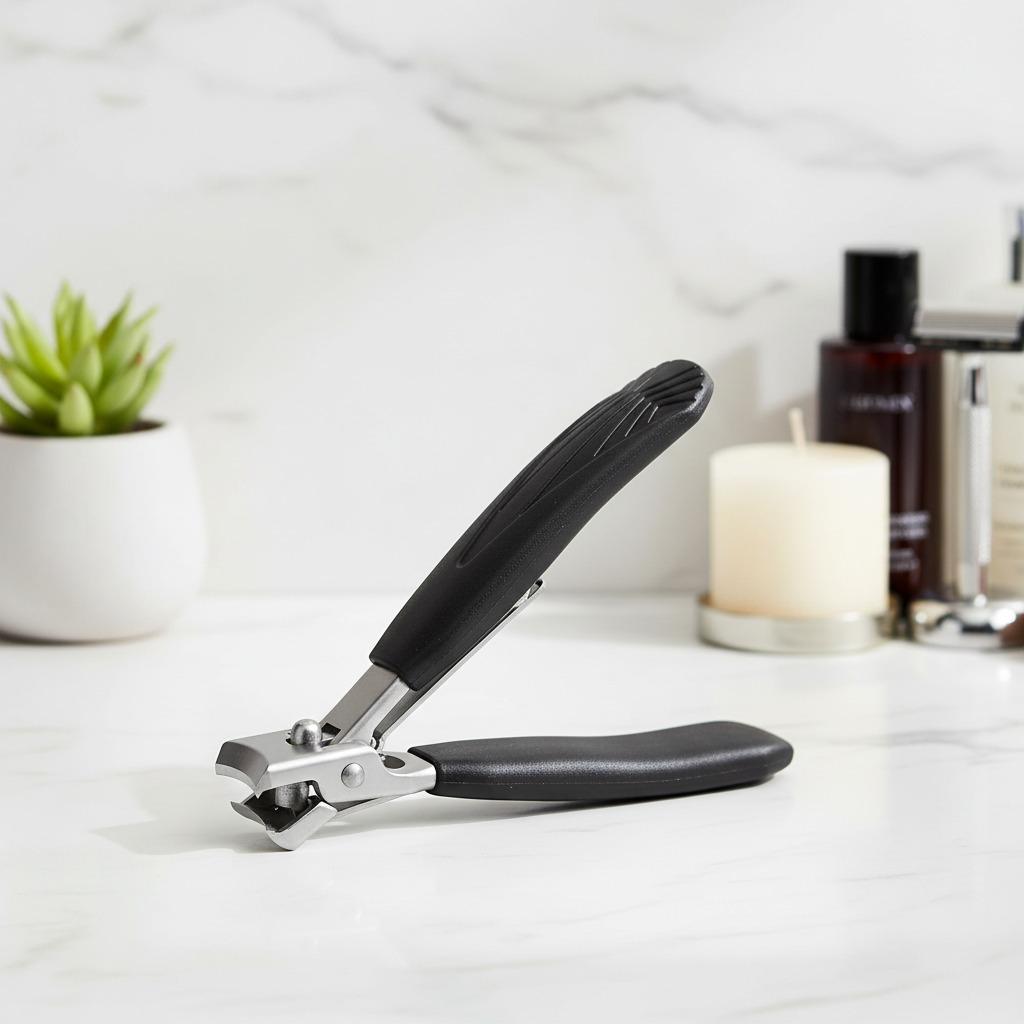
How to Choose a Reliable Nail Clipper Manufacturer in China
Finding the best nail clipper manufacturer in China is not only about comparing unit cost. For beauty distributors, private label buyers, salon suppliers and retail brands, the real question is whether a supplier can deliver a tool that cuts cleanly, feels stable in the hand and arrives with consistent quality from order to order. A nail clipper is a small product, but customers quickly notice dull edges, rough finishing, loose levers or poor alignment. These issues can create returns, negative reviews and extra quality control work for the buyer.
Olimor Beauty focuses on practical beauty tools for B2B buyers who need dependable grooming products for retail, salon and professional supply channels. When evaluating nail clippers, buyers should look closely at materials, cutting performance, ergonomic design, inspection methods and packaging readiness. The following guide explains how to assess a manufacturer and what details matter before adding nail clippers to a broader sourcing plan.
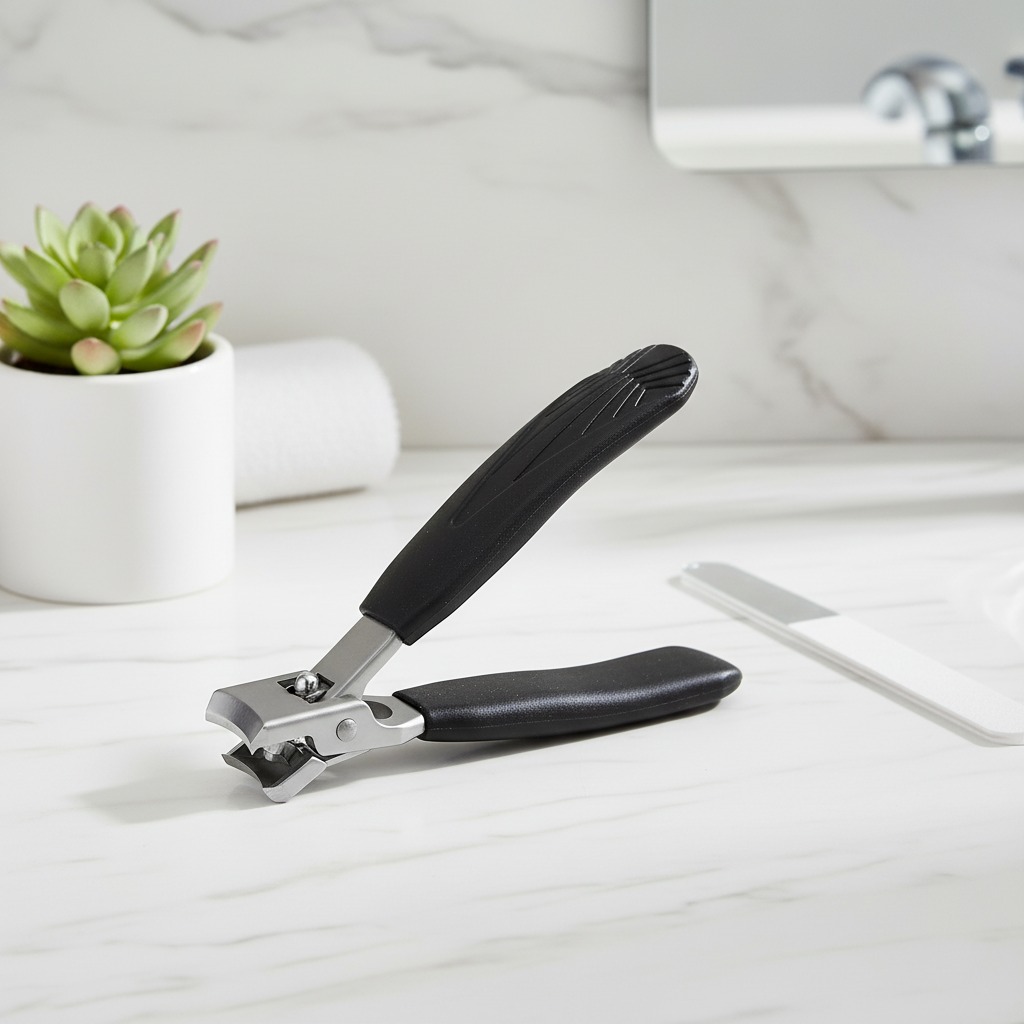
What Makes a Nail Clipper Manufacturer Reliable?
A reliable nail clipper supplier should be able to produce consistent cutting performance, not just an attractive sample. Nail clippers depend on the relationship between the upper and lower blades, the spring action of the body and the leverage of the handle. If these parts are not aligned correctly, the clipper can bend the nail, tear the edge or require too much pressure. For a buyer, reliability means the approved sample and bulk goods should match in function, finish and appearance.
Olimor Beauty emphasizes stainless steel construction, ergonomic handles and inspection from raw material selection through final packaging. These points are important because they affect both product life and end-user comfort. Stainless steel is valued in grooming tools because it can support durability and cleaner cutting edges when properly processed. Ergonomic design matters because nail clippers are used with pressure; a poorly shaped lever or narrow grip can feel uncomfortable, especially for salon use or frequent grooming.
Before choosing a supplier, B2B buyers should define the intended sales channel. A nail clipper for a professional beauty kit may require a different feel, finish and packaging approach than a low-cost retail counter item. A strong manufacturer should help buyers compare these needs clearly rather than treating every clipper as the same product.
Key Quality Checks for Stainless Steel Nail Clippers
Quality control for nail clippers should go beyond appearance. A polished surface can still hide weak cutting action, blade mismatch or unstable handles. Buyers should review both mechanical performance and cosmetic details. When assessing samples, check several pieces rather than judging a single unit, because repeatability is the sign of a mature production process.
- Blade alignment: The two cutting edges should meet evenly without visible gaps or crossing at an incorrect angle.
- Sharpness and cut cleanliness: A good clipper should cut smoothly without crushing, splitting or leaving a rough nail edge.
- Lever stability: The handle should move smoothly and return properly, without wobbling or feeling loose.
- Edge finishing: Corners and contact points should be smooth enough for safe handling during retail use or professional service.
- Rust resistance expectations: If rust-resistant performance is important for your market, define the usage environment and packaging requirements clearly.
- Batch consistency: Inspect multiple samples from different cartons or production lots when possible.
For buyers building a line of grooming products, nail clippers can be reviewed together with other beauty tool products so that surface finish, packaging style and user positioning stay consistent across the range. This is especially useful for retailers that want a coordinated presentation rather than isolated single tools.
Ergonomic Design and End-User Comfort
Ergonomics is sometimes treated as a marketing detail, but it has a direct effect on customer satisfaction. A nail clipper needs enough leverage to cut without excessive force. The handle should be easy to press, and the body should feel controlled in the hand. This matters for home users, but it is also important for professionals who may use grooming tools repeatedly during a working day.
When reviewing ergonomic design, buyers should consider the size of the clipper, the curve of the cutting edge, the height of the lever and the texture or smoothness of the contact area. A lightweight build can be convenient for kits and travel sets, while a more substantial feel may be preferred for premium retail positioning. Neither choice is automatically better; the right option depends on target customer expectations and how the product will be sold.
It is also useful to test the clipper with different nail thicknesses. Fingernail clippers and toenail clippers may require different cutting curves and leverage. If your product plan includes multiple sizes, confirm that each size has been evaluated independently instead of assuming one design standard will work for every use case.
B2B Sourcing Questions Buyers Should Clarify
Before placing a bulk order, beauty brands and distributors should prepare a practical sourcing checklist. The goal is not to collect unnecessary documents, but to reduce misunderstandings about product requirements. Clear specifications help the supplier quote accurately and help the buyer inspect goods against agreed expectations.
| Decision Area | What to Define | Why It Matters |
|---|---|---|
| Material and finish | Preferred stainless steel construction, surface finish and appearance standard | Affects durability, rust-resistance expectations and shelf presentation |
| Cutting performance | Sharpness, blade alignment and acceptable cutting feel | Reduces customer complaints about tearing or uneven cuts |
| Handle comfort | Grip shape, lever pressure and size preference | Improves usability for home and professional customers |
| Packaging | Retail pack, kit pack or bulk packing requirements | Protects the tool and supports the intended sales channel |
| Inspection standard | Sampling method, visual defects and functional checks | Creates a shared basis for accepting finished goods |
Buyers comparing different product collections should also think about how nail clippers fit into a larger grooming assortment. A basic clipper may support a value-oriented line, while a more refined finish and comfortable handle may be better for gift sets, salon tools or premium retail displays.
Manufacturing and Inspection Details That Affect Consistency
Consistent nail clipper production depends on small tolerances. The blade edge, pivot point and handle action all need attention. If the pivot is too loose, the clipper feels unstable. If the blades are not properly matched, the cut becomes rough. If finishing is rushed, the product may look uneven or feel sharp at the edges. These details are easy to miss when only reviewing product photos.
Olimor Beauty highlights inspection from raw material selection to final packaging. For B2B buyers, this type of process focus is important because defects can occur at different stages. Material issues may affect durability. Assembly issues may affect leverage. Packaging issues may cause scratches or poor presentation before the product reaches a retail shelf. A practical inspection plan should include visual checks, functional cutting checks and packaging checks.
When reviewing pre-production or shipment samples, buyers should document the approved sample with clear photos and written notes. Include details such as acceptable surface finish, logo placement if applicable, package layout and cutting feel. This record helps both sides avoid subjective judgments later. It also makes future repeat orders easier to manage.
Matching Nail Clippers to Retail, Salon and Distributor Needs
Different B2B buyers need different sourcing priorities. A retailer may care most about shelf appeal, barcode placement, consumer-friendly packaging and low return rates. A salon supplier may prioritize cutting comfort, cleaning practicality and durability in frequent use. A distributor may need carton consistency, clear product identification and stable reorder quality. The same basic product category can therefore require different review criteria.
For retail programs, packaging protection is especially important. Nail clippers can scratch during transport if packed loosely, and polished surfaces may show marks under store lighting. For professional channels, buyers may focus more on how the clipper feels after repeated use. For promotional or kit-based programs, size, weight and pack compatibility may be central to the purchasing decision.
It is also worth considering whether the nail clipper will be sold alone or as part of a grooming set. A single retail clipper needs strong individual presentation. A kit component needs to coordinate with other tools in size, finish and placement. If you are building a broader sourcing plan, you can send an inquiry with the intended channel, quantity planning and packaging direction so the product discussion starts with the right assumptions.
A Practical Buyer Checklist Before Ordering
To reduce sourcing risk, organize the evaluation before negotiating final terms. A structured checklist helps purchasing, product development and quality teams compare suppliers on the same basis.
- Confirm the target user: home grooming, salon service, retail display, travel kit or distributor assortment.
- Review several physical samples for blade alignment, handle comfort, finish and cutting smoothness.
- Define the material and appearance requirements in writing, including expectations for stainless steel construction and surface finish.
- Decide whether the clipper will be packed individually, in a kit or in bulk for further assembly.
- Set functional inspection points, including sharpness, lever movement and visible defect limits.
- Keep an approved sample and written specification for repeat orders.
If your team is comparing suppliers or preparing a new beauty tools program, contact Olimor to discuss nail clipper sourcing requirements, packaging direction and product positioning. Clear information at the beginning makes it easier to recommend a suitable approach and avoid avoidable changes later.
Why Olimor Beauty Is a Strong Partner for Nail Clipper Sourcing
Olimor Beauty serves B2B beauty supply buyers who need practical, reliable tools rather than vague product claims. For nail clippers, the company focuses on stainless steel construction, ergonomic handling and quality assurance steps that support consistent finished goods. These are the fundamentals that matter most when a small grooming tool must perform well in the hands of many different users.
The best nail clipper manufacturer in China for your business is the one that can match product function, packaging expectations and supply reliability to your actual market. By evaluating cutting performance, comfort, finish and inspection standards early, buyers can make better sourcing decisions and build a nail care assortment with fewer quality surprises.
Tag: