

How to Source Wholesale Nail Clippers from a China Manufacturer
For beauty retailers, salons, distributors, and private label buyers, nail clippers are small products with a large impact on customer satisfaction. A clipper that cuts cleanly, feels stable in the hand, and holds its edge can encourage repeat purchases. A weak clipper, on the other hand, can create complaints even if the packaging looks attractive. When sourcing from a nail clipper manufacturer in China, buyers should look beyond basic price comparisons and evaluate the tool as a precision grooming product.
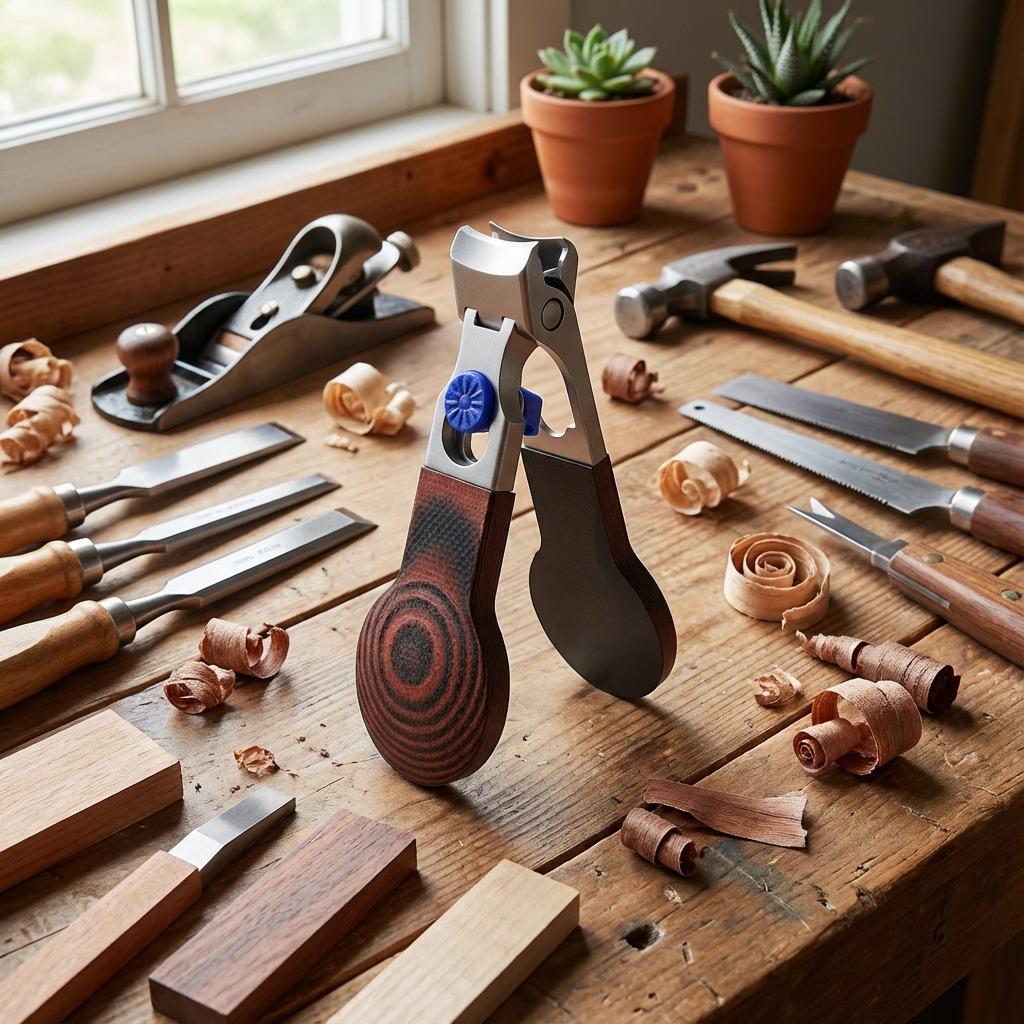
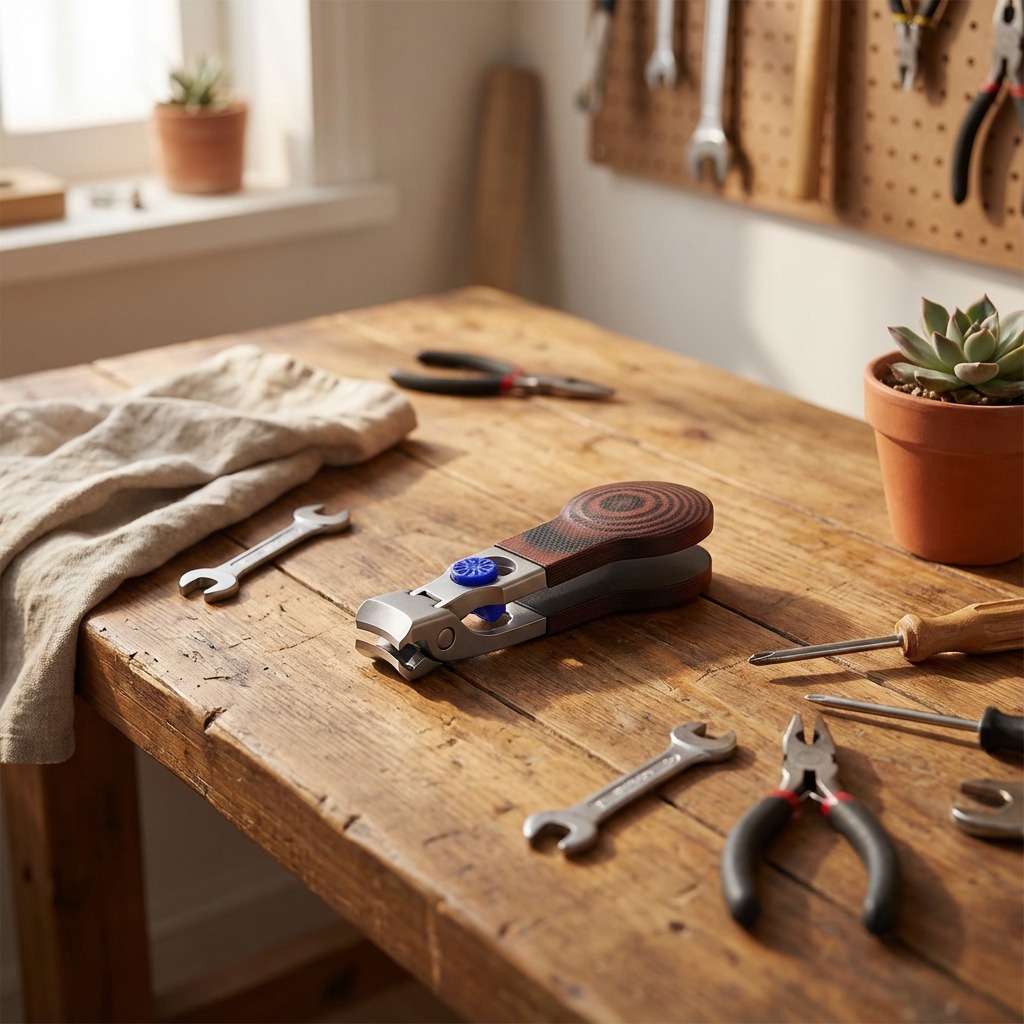
Olimor Beauty supplies beauty tools for B2B customers who need practical, well-made grooming essentials. The nail clipper shown here is designed with stainless steel blades, spiral-patterned handles, and a blue rubber pad for improved grip. Those details matter because nail clipping involves pressure, angle control, and repeated use. Whether you are adding nail clippers to a retail range, building salon supply inventory, or comparing wholesale beauty tool options, a structured sourcing approach will help you select products that are easier to sell and easier to stand behind.
What Makes a Nail Clipper Suitable for Wholesale Programs?
Wholesale buyers need more than a sample that looks acceptable in a photo. A nail clipper should be assessed for cutting performance, hand comfort, surface finish, and consistency across a batch. Because the product is often sold as a daily-use grooming item, the end user expects it to work immediately without special technique. Clean cutting, stable leverage, and smooth edges are all important for perceived quality.
Stainless steel blades are a useful feature because nail clippers need a cutting edge that resists normal bathroom humidity and repeated contact with nails. However, buyers should still evaluate the blade alignment, edge sharpness, and closing action. A sharp blade with poor alignment can pinch or tear; a well-aligned clipper with dull edges may crush the nail instead of cutting it. Both issues can reduce customer confidence.
Grip design also matters for wholesale success. The blue rubber pad on this Olimor Beauty nail clipper is intended to improve handling, especially when fingers are slightly damp or when the tool is used repeatedly in a professional setting. Spiral-patterned handles add texture and visual detail, making the product feel less generic on a shelf or in a kit.
Key Quality Checks Before Buying Nail Clippers in Bulk
Before placing a wholesale order, create a repeatable evaluation process. This keeps the buying decision objective and makes it easier to compare samples from different suppliers. A useful inspection does not need to be complicated, but it should cover the parts of the tool that affect everyday performance.
- Blade alignment: Close the clipper slowly and check whether the cutting edges meet evenly from one side to the other.
- Cutting feel: Test on different nail thicknesses where appropriate. The action should feel clean, not rough or unstable.
- Lever stability: The top lever should press smoothly without wobbling excessively.
- Grip comfort: Hold the clipper in several hand positions to see whether the handle texture and rubber pad provide useful control.
- Surface finish: Check for burrs, sharp non-cutting edges, uneven polishing, visible stains, or rough corners.
- Packaging readiness: Confirm whether the product arrives protected from scratches and suitable for your sales channel.
- Batch consistency: Test more than one piece. A single good sample is not enough for a reliable wholesale decision.
Olimor Beauty describes quality assurance that includes inspections from raw materials to packaging. For buyers, this is a helpful principle to build into supplier conversations. Instead of only asking whether the product is high quality, define the inspection points you care about: cutting edge, grip attachment, handle finish, product cleanliness, packaging condition, and carton labeling.
How to Compare Nail Clipper Manufacturers in China
China has a wide supplier base for beauty tools, which gives buyers many choices but also makes comparison more demanding. The right manufacturer for your business depends on your sales channel, customer expectations, and quality tolerance. A discount store program, a salon supply kit, and an online beauty brand may all need different positioning even if the product category is the same.
When comparing manufacturers, start with product specialization. A supplier familiar with grooming tools is more likely to understand cutting performance, blade finishing, ergonomic handling, and the small tolerances that make nail clippers usable. Review available beauty tool products to see whether the supplier’s broader range fits your business. A coherent product range can make it easier to build assortments, combine tools into kits, or plan future replenishment.
Next, consider communication quality. Wholesale sourcing involves artwork, packaging preferences, shipping documentation, sample feedback, and reorder planning. Clear communication reduces errors. A supplier should be able to discuss materials, visible design features, inspection steps, packaging options, and practical timelines without overpromising details that are not yet confirmed.
Finally, compare the supplier’s willingness to support B2B decision-making. Useful support may include product photos, sample review, packaging discussion, specification confirmation, and practical order guidance. If you are building a broader grooming category, Olimor’s product collections can help you review related beauty tools and plan a more complete product mix.
Design Details Buyers Should Not Overlook
Many nail clippers look similar at first glance, but small design choices affect both user experience and retail presentation. The stainless steel blade is the most important working part, but the user interacts with the handle, grip pad, and lever every time the tool is used. If the clipper slips, feels too thin, or requires excessive force, customers may judge the entire product as low quality.
The spiral-patterned handles on this nail clipper offer a visual and tactile detail that can help distinguish it from plain metal alternatives. The blue rubber pad adds a functional accent by supporting grip. For retailers, these details can also improve product presentation in online listings because they give buyers something specific to understand and compare.
Ergonomics should be tested with different users when possible. A nail clipper may feel comfortable to one person but awkward to another depending on hand size, nail thickness, and preferred angle. For salon or professional supply channels, repeated use is especially important. A tool that feels acceptable for one cut may become tiring after multiple uses if the lever is stiff or the grip is unstable.
Wholesale Ordering: Practical Steps for B2B Buyers
A careful wholesale process helps prevent misunderstandings and protects both buyer and supplier. The goal is to confirm the product, packaging, and commercial details before moving into bulk production or replenishment. The following sequence is useful for many beauty-tool sourcing projects:
- Define the sales channel. Decide whether the nail clipper will be sold in retail stores, online, salon supply packs, promotional sets, or private label assortments.
- Confirm the target customer. Professional users may care more about durability and repeated handling, while retail shoppers may compare appearance, packaging, and price.
- Review the physical sample. Test blade alignment, cutting action, grip comfort, handle finish, and packaging protection.
- Document requirements. Record acceptable surface finish, product color details, packaging format, labeling needs, and inspection priorities.
- Clarify customization needs. If private labeling or packaging changes are needed, confirm feasibility before assuming it is available.
- Check logistics expectations. Discuss carton packing, destination requirements, documentation, and delivery planning.
- Plan reorder evaluation. Keep a retained sample or approved reference so future batches can be compared consistently.
If you are ready to compare options or discuss a wholesale project, you can send an inquiry with your product goals, packaging expectations, and target sales channel. Providing clear details at the start helps the supplier recommend a suitable route and reduces back-and-forth later.
Questions to Use When Evaluating a Supplier
Strong sourcing questions are specific. They help you understand whether the supplier can support your business without requiring them to guess what matters. For nail clippers, ask about the working parts, visible design, packaging, and quality control process. Avoid relying only on broad questions such as “Is this good quality?” because the answer will not give you enough detail for purchasing decisions.
| Buyer concern | Useful question | Why it matters |
|---|---|---|
| Cutting performance | How is blade alignment checked before packing? | Alignment affects clean cutting and user comfort. |
| Grip and handling | Can the blue rubber pad and handle texture be reviewed on a physical sample? | Grip feel is difficult to judge from photos alone. |
| Appearance | What surface finish defects are considered unacceptable during inspection? | Visible flaws can hurt retail presentation. |
| Packaging | How are clippers protected from scratching during transport? | Small metal tools can rub against packaging or each other. |
| Reorders | How can future batches be compared with the approved sample? | Consistency is essential for ongoing B2B programs. |
These questions are especially helpful for importers and distributors managing multiple suppliers. They create a common standard for comparison and make it easier to identify which manufacturer understands the product category in practical terms.
Why Work with Olimor Beauty for B2B Beauty Supplies?
Olimor Beauty focuses on beauty tools for business customers who need dependable grooming products and clear sourcing support. For this nail clipper, the combination of stainless steel blades, spiral-patterned handles, and a blue rubber pad gives buyers concrete features to evaluate: cutting function, hand control, and visual appeal. Those features can support retail listings, salon supply ranges, and distributor catalogs without relying on vague claims.
For B2B buyers, the best manufacturer is not only the one that offers a product; it is the one that helps you confirm whether the product fits your market. That means reviewing samples carefully, agreeing on inspection expectations, and matching packaging to the intended sales channel. If you need help choosing the right nail clipper option or planning a broader beauty-tool purchase, contact Olimor to discuss your requirements.
A nail clipper may be a compact item, but it represents your brand every time a customer uses it. By focusing on blade quality, grip comfort, batch consistency, and practical supplier communication, you can make a better sourcing decision and build a wholesale program with fewer surprises.
Tag: