

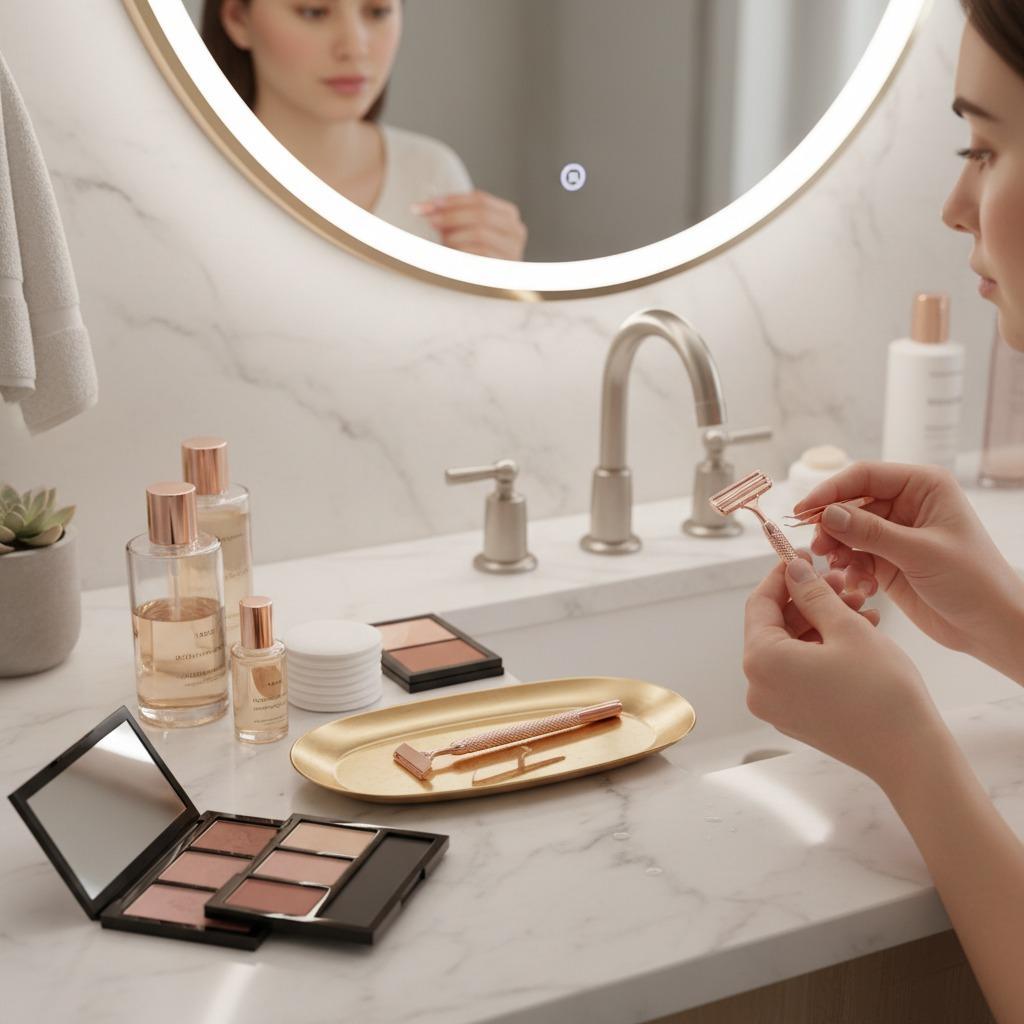
Best Eyebrow Grooming Tools for Clean, Controlled Brow Shaping
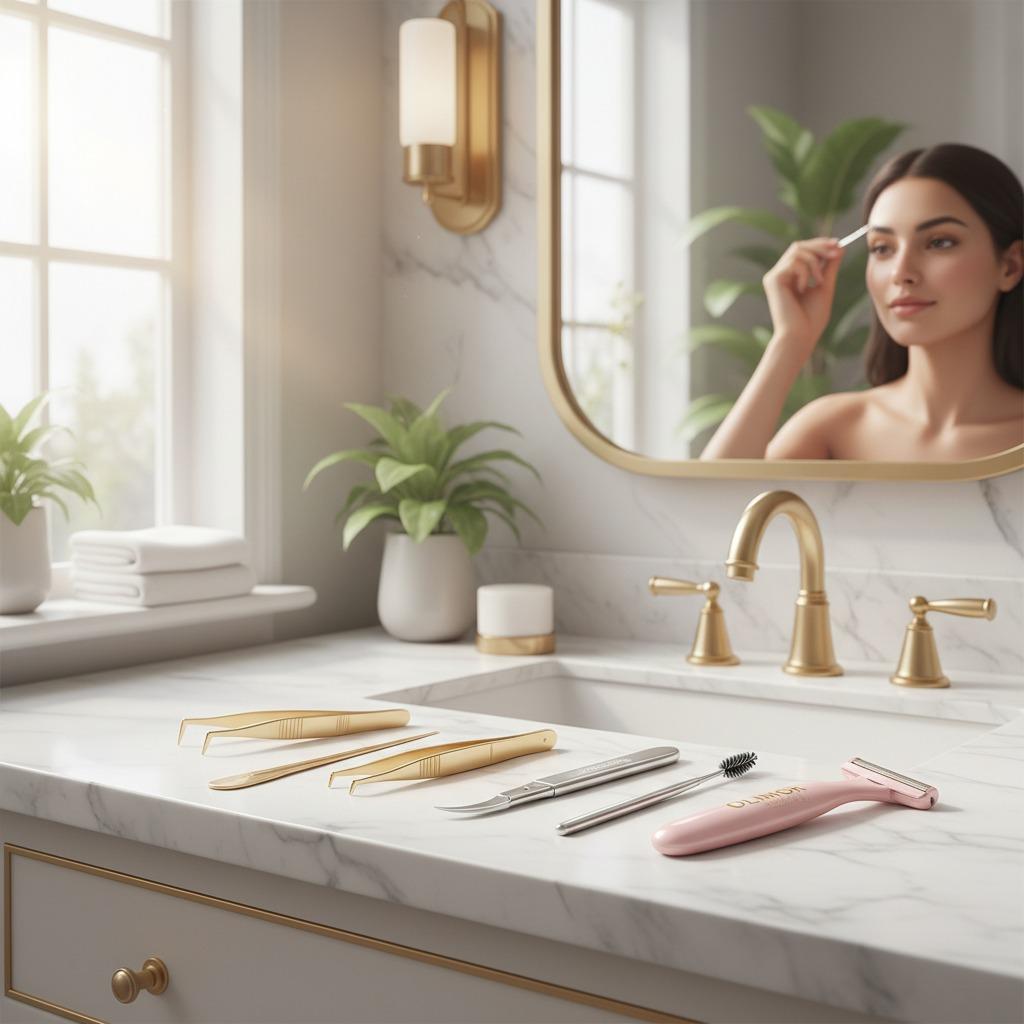
Eyebrows are small in size, but the tools used to shape them need to be chosen carefully. A few millimeters can change the look of an arch, make the tail appear too thin, or leave the area around the brow looking uneven. The best eyebrow grooming tools are not simply the sharpest or the most decorative; they are the tools that match the user’s skill level, hair type, skin sensitivity, and shaping goal.
For many beauty routines, the core choices are an eyebrow razor and a pair of tweezers. Each tool solves a different problem. Razors are useful for quick surface-level cleanup, especially around the upper brow line, between the brows, or along soft facial hair near the brow area. Tweezers are better for removing individual hairs from the root when more precise, longer-lasting correction is needed. Understanding when to use each tool helps prevent over-shaping and makes daily brow maintenance easier.
Olimor Beauty offers brow grooming options for buyers and beauty users who want practical tools with a clean finish. If you are comparing options for personal use, retail, salon kits, or private-label sourcing, this guide explains how to evaluate eyebrow shaping tools without relying on vague product claims.
What Makes an Eyebrow Grooming Tool Effective?
A good eyebrow grooming tool should help the user remove unwanted hair while preserving control. Control matters more than speed, because eyebrow hair does not always grow evenly. Some users need only to clean soft fuzz above the brow, while others need to define the lower arch or tidy the space between the brows.
When reviewing eyebrow grooming tools, focus on these practical criteria:
- Precision: The tool should reach small areas without removing more hair than intended.
- Comfort: Handles should be easy to hold, especially when working close to the eye area.
- Blade or tip quality: A razor blade should glide smoothly, while tweezers should grip fine hairs without repeated pulling.
- Visibility: A slim, simple head design can make it easier to see the brow line during shaping.
- Hygiene: Tools should be easy to clean and dry after use.
- User skill level: Beginners often benefit from tools that encourage light, gradual grooming rather than aggressive removal.
The Olimor Beauty Eyebrow Razor is designed for brow cleanup with a gentle curve, a stainless steel blade, and an ergonomic handle. Those features are useful because brow shaping often requires short, careful movements rather than large shaving strokes. The product is also shown in a pink hue, which can work well for beauty assortments where product appearance matters alongside function.
Eyebrow Razor vs Tweezers: Which Tool Should You Use?
The most common comparison in brow grooming is razor vs tweezers. Neither tool is automatically better; they serve different purposes. Choosing correctly depends on the area being groomed and the result the user wants.
| Tool | Best for | Main advantage | Watch out for |
|---|---|---|---|
| Eyebrow razor | Quick cleanup of fine surface hair, upper brow edges, between-brow fuzz, and soft facial hair near the brow | Fast, gentle surface-level shaping without pulling from the root | Use light pressure and avoid shaving into the main brow shape |
| Tweezers | Removing single stray hairs under the arch or at the tail | Precise removal from the root for a longer-lasting result | Over-plucking can create gaps that take time to grow back |
| Brow scissors | Trimming long brow hairs after brushing them upward | Reduces bulk without changing the brow outline | Cutting too much can make brows look sparse |
| Spoolie or brow brush | Combing hairs into place before trimming or shaping | Reveals the natural brow pattern before hair removal | It does not remove hair, so it should be paired with a shaping tool |
If the goal is a very clean edge before makeup application, an eyebrow razor is often efficient. If one dark hair is sitting below the arch and disrupting the shape, tweezers may be more accurate. Many users get the best result by combining the two: brush first, tweeze only obvious stray hairs, then use a razor for soft surrounding fuzz.
How to Use an Eyebrow Razor Without Over-Shaping
An eyebrow razor can be beginner-friendly, but it should still be used with a plan. The safest approach is to shape less than you think you need, step back, and then refine. Brows look different from a close mirror than they do from normal viewing distance.
- Start with clean, dry skin. Remove makeup and oil so the tool does not slip. If your skin is sensitive, avoid grooming immediately after exfoliating.
- Brush brows into their natural direction. This helps you see which hairs belong to the brow and which are outside the intended shape.
- Map the area lightly. Identify only the hairs you want to remove. Do not shave into the dense center of the brow unless you are trained to do so.
- Hold the skin gently taut. This creates a smoother surface and helps the razor move in controlled, short strokes.
- Use light pressure. Let the blade do the work. Pressing harder increases the risk of irritation or uneven lines.
- Work in small sections. Clean the upper edge, the area between brows, or surrounding fuzz gradually instead of trying to create the full shape in one pass.
- Check both brows from a normal distance. Symmetry is easier to judge when you are not too close to the mirror.
- Clean and dry the tool after use. Store it in a dry place to help maintain hygiene.
The curved shape of an eyebrow razor can help follow the natural brow area, but the user still controls the outcome. A razor should refine the brow line, not replace the entire shaping plan.
Choosing Brow Tools for Retail, Salon Kits or Beauty Programs
For businesses sourcing eyebrow grooming tools, selection should go beyond color and packaging. A tool that looks attractive but feels unstable in the hand can lead to poor user feedback. Likewise, a sharp-looking blade is not enough if the head shape does not allow controlled access around the brow.
When comparing beauty tool products for brow care, buyers can use a checklist like this:
- Target user: Is the tool intended for beginners, makeup artists, salons, travel kits, or everyday retail buyers?
- Grip and balance: Does the handle feel secure during short strokes near the eye area?
- Blade exposure and head shape: Does the design support detail work rather than broad shaving?
- Material communication: Are the visible material claims clear and limited to verified information?
- Packaging practicality: Can the product be displayed, stored, and transported without damaging the grooming edge?
- Instruction support: Are usage and care directions simple enough for first-time users?
- Assortment fit: Does the product complement tweezers, brow scissors, mirrors, or other items in the range?
Olimor Beauty’s Eyebrow Razor can fit into a brow-focused assortment as a detail cleanup tool. For broader sourcing decisions, buyers can also review product collections to compare how brow tools may sit alongside other beauty accessories.
Care, Hygiene and Replacement Habits
Brow grooming tools are used close to delicate skin, so maintenance is not optional. Even a well-designed tool can cause irritation if it is stored wet, shared without cleaning, or used after the edge is no longer smooth.
After each use, remove hair and residue from the tool. If appropriate for the tool type, wipe it clean and allow it to dry completely before storage. Keep razors away from damp bathroom surfaces where moisture can affect the blade. Tweezers should be protected from drops, because misaligned tips may stop gripping fine hairs accurately.
Users should also avoid sharing eyebrow razors. For salons or beauty service environments, single-user hygiene practices and local sanitation rules should guide tool handling. If a razor begins to drag, feel rough, or require extra pressure, it is time to replace it. The goal is not only a neat brow line but also a comfortable grooming experience.
Building a Simple Brow Grooming Kit
A practical brow kit does not need to be complicated. Most users can maintain their brows with a small set of well-chosen tools: an eyebrow razor for soft cleanup, tweezers for individual hairs, a spoolie for brushing, and small scissors if trimming is needed. The key is to remove hair gradually and keep the natural brow structure in mind.
For users with thick brows, brushing and trimming may matter as much as hair removal. For users with sparse brows, restraint is more important; a razor should be used only around the brow, not through areas that need fullness. For makeup-focused users, cleaning the surrounding fine hair can help pencils, powders, and gels apply more neatly.
If you are evaluating eyebrow grooming tools for a product line, sample kit, or retail program, compare the tool’s feel, handling, and grooming purpose before making a final decision. To discuss available options or share project requirements, you can contact Olimor or send an inquiry.
The best eyebrow grooming tools are the ones that make controlled shaping easier. An eyebrow razor is valuable for fast, clean surface grooming, while tweezers remain useful for single-hair precision. Used together with careful technique and regular hygiene, they help create brows that look tidy without appearing overworked.
Tag: