

Beauty Tools Wholesale: How to Choose Reliable Supplies for Salons and Personal Care Businesses
Buying beauty tools wholesale is not only about getting a lower unit cost. For salons, spas, beauty retailers, personal care distributors, and grooming kit buyers, the bigger question is whether the tools are consistent, practical, safe to handle, and suitable for repeated use. A well-planned wholesale purchase can help you maintain steady stock, reduce last-minute sourcing problems, and offer clients or customers tools that feel dependable in the hand.
Olimor Beauty supplies beauty tools for professional and personal care use, including grooming tools and protective cases. This guide explains how to evaluate wholesale beauty tools before placing a bulk order, with attention to materials, tool categories, packaging, storage, and purchasing decisions. Whether you are comparing eyelash curlers in bulk, stainless steel grooming items, or pedicure tool suppliers, the goal is the same: choose products that match your customer needs and business workflow.

Start With the Tools Your Customers Actually Use
Wholesale buying becomes easier when you begin with real usage patterns instead of a long, unfocused product list. A salon may need tools for daily service use, while a retailer may need compact personal care tools that customers can take home. A distributor may need a balanced mix of everyday grooming items and specialty items for different channels.
Common wholesale beauty tool categories include tweezers, nail clippers, cuticle pushers, small scissors, eyelash curlers, grooming kits, and protective cases. Each category serves a different purpose, so the selection criteria should not be identical. For example, an eyelash curler should be assessed for comfort and controlled pressure, while a nail clipper should be assessed for cutting alignment, grip, and durability. Protective cases should be evaluated for storage convenience and how well they help keep tools organized.
Before comparing suppliers, build a simple buying map. Separate tools into three groups: high-turnover essentials, service-specific tools, and add-on retail items. High-turnover essentials are the items you expect to reorder often. Service-specific tools are used for nail, brow, lash, or foot care services. Add-on retail items are products that customers may purchase for home care. This helps you avoid overbuying slow-moving products while keeping reliable stock of core items.
How to Evaluate Wholesale Beauty Tool Quality
Quality in beauty tools is visible in the details. A tool does not need complicated features to be useful, but it does need clean construction, stable handling, and a finish that supports hygiene and durability. The original material information for Olimor Beauty tools highlights stainless steel, including rust-resistant stainless steel for grooming kits. Stainless steel is commonly preferred in beauty and personal care tools because it can support long service life when cleaned and stored properly.
When reviewing beauty tools wholesale, compare samples or product images with a checklist rather than relying only on descriptions. Look for smooth edges, aligned working parts, consistent surface finishing, and ergonomic shapes. Ergonomic design matters because salon staff may handle the same type of tool many times in a day. A tweezer that is hard to control, a cuticle pusher that feels awkward, or a small scissor that does not sit comfortably in the hand can slow down work and reduce user confidence.
- Material: Confirm whether the tool is stainless steel or another material suitable for the intended use.
- Finish: Check for smooth surfaces, no obvious burrs, and a clean appearance.
- Function: Test alignment, grip, blade contact, spring action, or pressure control depending on the tool type.
- Comfort: Consider handle shape, weight, and ease of control during repeated use.
- Storage: Review whether protective cases or packaging help prevent tools from being scratched, lost, or mixed together.
If you are sourcing for retail resale, presentation also matters. Customers often judge beauty tools quickly by how clean, organized, and practical the product looks. For professional service use, performance and repeatability matter more than decoration.
Match Tool Types to Salon, Retail, and Distributor Needs
The right wholesale mix depends on where the tools will be used. A nail salon may prioritize nail clippers, cuticle pushers, small scissors, and pedicure-related tools. A brow or lash business may place more attention on tweezers and eyelash curlers in bulk. A general personal care retailer may need grooming kits and compact tools that are easy to display and simple for customers to understand.
For salons, consistency is especially important. Staff members should not have to adapt to major differences from one tool to the next within the same order. If a tool is used across multiple workstations, the size, handling, and finish should be consistent enough to support predictable service. For retailers, the focus may shift toward a balanced assortment, clear product purpose, and packaging that protects the item during shelf display and handling.
Distributors should think in terms of channel fit. A product that works well for salon supply may not be the best choice for travel retail or home grooming kits. Protective cases can be useful when a buyer needs better organization, while individual tools may be preferable when customers want to replace only one item. To explore broader sourcing options, review Olimor beauty tool products or compare related product collections based on your target market.
Bulk Purchasing Decisions That Reduce Waste
Wholesale purchasing can create value, but only when order planning is realistic. Buying too little causes repeated shipping and stock interruptions. Buying too much can tie up cash and storage space, especially when the assortment includes many similar tools. A practical approach is to forecast by product role rather than by guesswork.
Start with your current sales or usage data if available. If you do not have enough data, estimate based on service frequency, retail display size, and expected reorder cycle. For a salon, count how many workstations need each tool type, how often tools are replaced, and whether backup stock is required. For a retailer, consider shelf capacity, seasonal demand, and whether the tool is an entry-level purchase or part of a larger grooming kit.
- Define the main use case: professional service, retail resale, promotional kit, or distributor stock.
- List essential tools first: prioritize items with stable demand, such as tweezers, nail clippers, and grooming tools.
- Add specialty products carefully: include eyelash curlers, pedicure tools, or protective cases based on clear customer demand.
- Check storage requirements: confirm carton size, handling needs, and whether tools must remain separated or protected.
- Review reorder timing: plan replenishment before stock becomes urgent, especially for core tools.
Bulk beauty products for salons should support service continuity, not create clutter. A controlled assortment often performs better than a very broad order with overlapping products.
Packaging, Protective Cases, and Inventory Handling
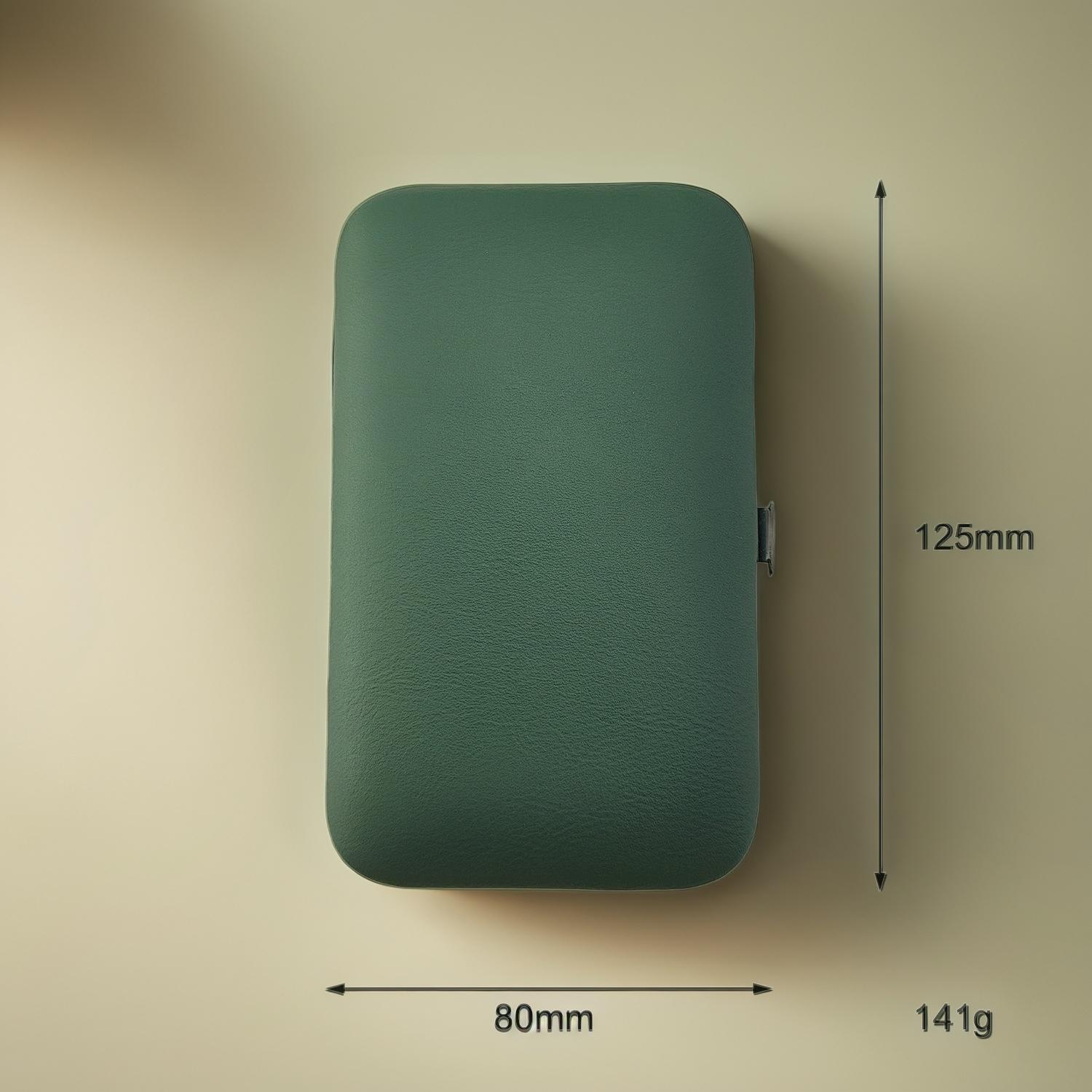
Beauty tools are small, but they still require thoughtful handling. Scratched surfaces, mixed inventory, or poorly organized storage can reduce the professional appearance of your stock. Protective cases are useful for grooming kits and personal care tools because they help keep items together and reduce unnecessary contact during storage or transport.
For salon backroom storage, tools should be easy to count, separate, and access. For retail settings, packaging should help customers identify the product quickly while keeping the tool protected. For distributors, packaging consistency can make picking, packing, and shipment preparation more efficient. Even when the product itself is simple, poor storage can create avoidable losses.
It is also worth reviewing how tools are labeled and grouped. If similar items come in multiple sizes or finishes, clear internal organization helps prevent picking errors. Businesses that handle personal care tools wholesale should maintain basic inventory records by category, received quantity, and reorder point. This is especially helpful when multiple staff members manage stock.
Questions to Clarify Before You Place an Order
Before making a wholesale commitment, gather the practical details that affect your business operations. Not every buyer needs the same information, but the following checklist can help you compare options in a structured way without focusing only on price.
| Buyer Question | Why It Matters |
|---|---|
| Which tool categories are available? | Helps you build a complete assortment for salon, retail, or distribution needs. |
| What materials are used? | Supports decisions around durability, hygiene, and intended use. |
| Are samples or detailed images available? | Makes it easier to review finish, shape, alignment, and packaging before bulk ordering. |
| How are the tools packaged? | Affects storage, retail presentation, transport protection, and inventory control. |
| What information is needed for customization or bulk planning? | Helps prepare accurate requirements and avoid unclear order communication. |
If you need help narrowing a tool list for a salon, retail program, or wholesale channel, you can contact Olimor with your intended use, target quantity range, and preferred tool categories. For direct sourcing discussions, you may also send an inquiry with your product requirements.
Care and Maintenance Considerations for Long-Term Value
Even well-made beauty tools need proper care. For professional environments, establish handling routines that protect the tool and support hygienic use. Follow the cleaning and sanitation procedures required by your local regulations and the tool’s intended use. After cleaning, tools should be dried properly and stored in a clean, organized area. Moisture, rough handling, and contact with incompatible items can shorten service life.
For retail customers, simple care guidance can reduce complaints and improve satisfaction. If tools are sold as part of grooming kits, customers should understand that small items such as tweezers, nail clippers, cuticle pushers, and small scissors should be kept dry and stored safely when not in use. Protective cases can help prevent loss and keep sharp or precise edges from contacting other objects.
In wholesale sourcing, long-term value comes from the combination of suitable material, practical design, consistent supply, and correct handling. A lower-cost product that fails quickly or feels uncomfortable may become more expensive through returns, replacements, or poor customer perception. A carefully selected tool assortment can support smoother salon operations and more confident retail sales.
Build a Wholesale Program Around Fit, Not Just Price
Beauty tools wholesale should be approached as a product-fit decision. The best selection for your business depends on customer expectations, staff use, display needs, storage capacity, and reorder planning. Stainless steel grooming tools, ergonomic designs, eyelash curlers in bulk, pedicure-related tools, and protective cases can all play a role, but only when they match your channel and usage.
By comparing materials, function, comfort, packaging, and inventory needs before ordering, salons and personal care businesses can reduce waste and maintain more reliable stock. Olimor Beauty supports buyers looking for practical beauty tool supplies for professional and personal care markets, with a focus on durable, elegant tools suitable for everyday grooming and organized wholesale purchasing.
Tag: