

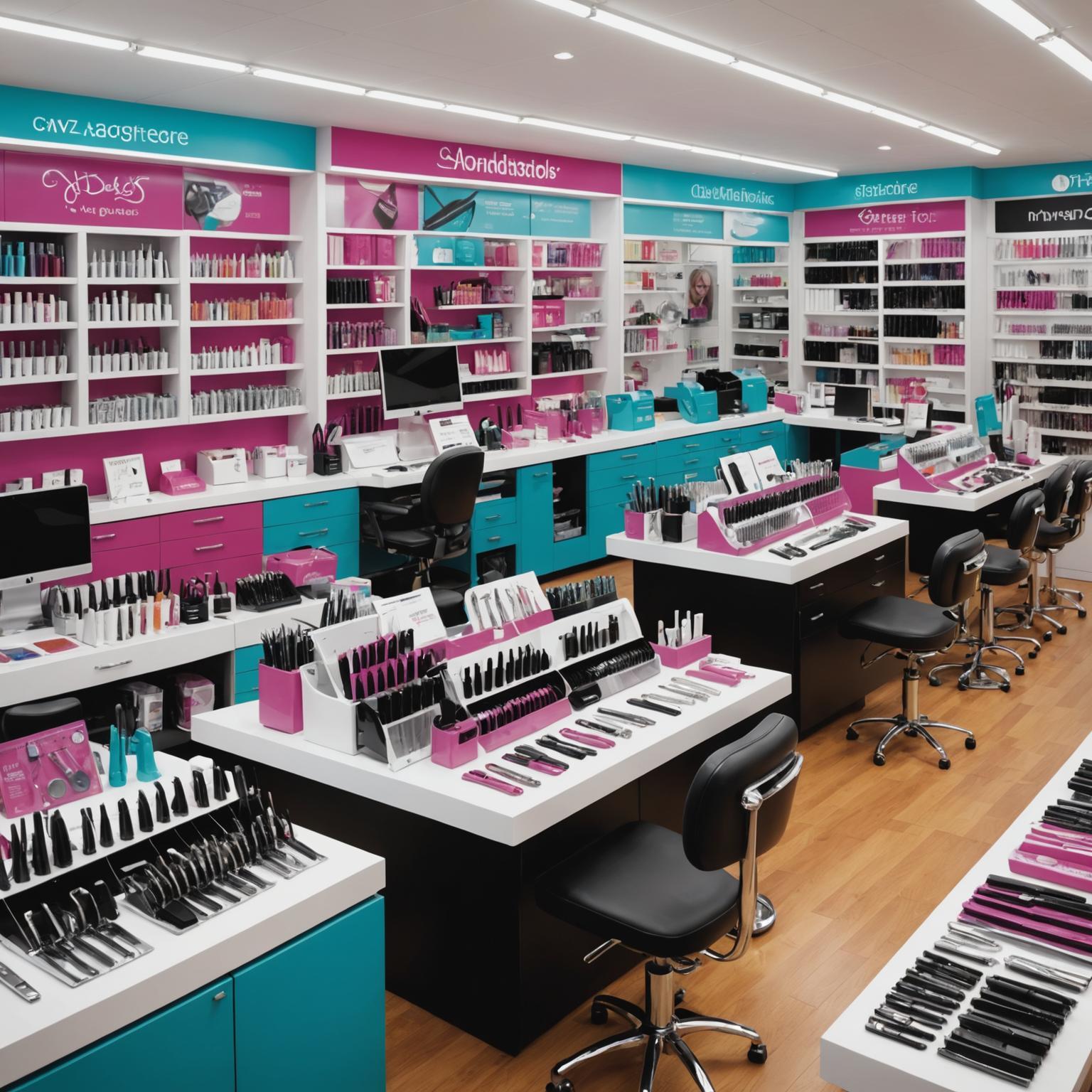
Beauty Tools Wholesale Buying Guide for Personal Care Retailers and Salons
Beauty tools wholesale is no longer only about buying a large quantity at the lowest possible cost. Salons, spas, grooming retailers, online stores and private-label buyers now need tools that feel reliable in the hand, perform consistently and support clean personal care routines. The growth of at-home beauty habits has also changed expectations: end users are comparing salon tools, retail kits and daily grooming accessories more carefully than before.
For buyers, this creates a more detailed sourcing task. Nail clippers, manicure tools, pedicure supplies and broader personal care tools may look simple, but small differences in blade alignment, grip texture, packaging, finish quality and maintenance instructions can affect customer satisfaction. A strong wholesale selection should balance price, durability, hygiene, usability and category positioning.
This guide explains how to evaluate beauty tools wholesale with a practical buyer mindset, especially if you are building a retail assortment, salon supply program or personal care product line. You can also browse Olimor beauty tool products or review related product collections when planning your range.
Why Wholesale Beauty Tools Are Becoming More Specialized
The personal care market has moved toward more specialized tools because buyers and end users expect better results from fewer products. A generic grooming accessory is often not enough for a professional service menu or a focused retail display. A nail clipper for personal use, a manicure tool for salon work and a pedicure implement for thicker toenails or foot care have different performance expectations.
Specialization is also connected to hygiene. Tools used around nails and skin need smooth surfaces that are easy to wipe, clean and store. Poorly finished edges, loose hinges or uncomfortable handles can create frustration for professionals who use the same tool repeatedly throughout the day. For retailers, these issues can lead to returns, negative reviews or slow repeat sales.
Another factor is the rise of home grooming. Customers may not have professional training, so they value tools that feel stable, controlled and easy to understand. Wholesale buyers should therefore look beyond appearance and ask whether a product is practical for the intended user. A tool that works well in a salon may need clearer packaging, instructions or safer storage features when sold for home use.
Core Categories to Consider in a Wholesale Range
A balanced beauty tools wholesale program usually includes several related categories rather than one isolated product type. The right mix depends on whether you sell to salons, spas, pharmacies, e-commerce customers or distributors. However, the following categories often form the foundation of a personal care tool assortment:
- Nail clippers wholesale: Look for clean cutting action, even blade alignment, comfortable leverage and corrosion-resistant finishes suitable for regular cleaning.
- Manicure tools wholesale: Consider cuticle pushers, nail files, scissors, tweezers and grooming kits. Professional users often prefer tools that are easy to sanitize and organize.
- Pedicure supplies wholesale: Foot care tools should feel strong and stable, especially when used on thicker nails or rougher skin. Handle comfort matters because pedicure work can require more pressure.
- Personal care tools wholesale: This broader group can include grooming accessories, trimming tools and multi-use implements for everyday routines.
- Salon support accessories: Storage cases, protective caps, replacement components or display-ready packaging can improve how tools are used and sold.
Some buyers also compare well-known grooming references such as the Andis Master and Slimline Pro Li when thinking about control, textured grips, stainless steel construction, adjustable blade functions, lightweight maneuverability or battery life. These examples show why buyers often assess not only the tool type, but also the handling experience and long-term usability behind it.
Quality Signals That Matter Before a Bulk Order
Quality assurance in beauty tools should be judged through repeatable checks rather than general promises. A sample may look attractive in photos, but bulk ordering requires confidence that the same performance will be delivered across a production run. For nail and grooming tools, the most important signals are often mechanical consistency, surface finish and comfort during repeated use.
Before placing a wholesale order, evaluate sample units under realistic conditions. Open and close clippers multiple times. Check whether blades meet evenly. Hold the tool with dry and slightly damp hands to see whether the grip remains controlled. Inspect edges for burrs or rough finishing. For tools with moving parts, listen for scraping, looseness or uneven resistance.
| Quality Area | What to Check | Why It Matters |
|---|---|---|
| Cutting or working edge | Alignment, sharpness, smooth finishing and consistency between samples | Affects precision, comfort and user confidence |
| Handle and grip | Shape, texture, pressure points and stability during use | Reduces hand fatigue for professionals and improves control for home users |
| Surface finish | Polishing, plating, visible scratches, burrs or rough seams | Supports cleaning, presentation and perceived value |
| Packaging fit | Protection, labeling space, retail display suitability and storage | Helps prevent damage and improves shelf or online presentation |
If you are comparing suppliers, keep a simple scoring sheet for each sample. Rate function, finish, packaging, comfort and cleaning practicality. This makes the decision less subjective and helps teams align purchasing, marketing and operations around the same criteria.
Ergonomics, Hygiene and Maintenance Should Guide Selection
Beauty tools are handled closely and often used on sensitive areas, so ergonomics and hygiene are not secondary details. A tool that feels awkward may still pass a visual inspection, but it can fail in daily salon use. Similarly, a tool that is difficult to clean may not be suitable for professional or repeat-use environments.
For ergonomics, consider the size of the hand using the tool, the pressure required and whether the grip allows controlled movement. Textured grips can help with control, but texture should not trap residue or make cleaning difficult. Edges should be smooth where the hand rests. Hinges, springs or moving parts should operate predictably, without sudden snapping or stiffness.
For hygiene, look for surfaces and shapes that can be wiped thoroughly. Avoid unnecessary gaps where debris can collect unless the design has a clear functional purpose. If tools are sold for home users, include maintenance guidance in product pages or packaging, such as drying after cleaning and storing separately from damp items. Clear care instructions can extend perceived product life and reduce misuse.
How to Match Wholesale Beauty Tools to Your Sales Channel
The best wholesale choice depends on how the tool will reach the end user. A salon buyer may prioritize repeat-use durability and simple bulk packaging. A retail buyer may need attractive presentation, clear usage claims and compact packaging. An e-commerce seller may need products that photograph well, ship safely and generate fewer questions after delivery.
For salons and spas, choose tools that can withstand frequent handling and cleaning. Professionals usually notice balance, grip and edge quality quickly. For retail stores, create sets that solve a clear need, such as basic nail care, travel grooming or foot care support. For online shops, include detailed product descriptions that explain size, intended use, maintenance and storage. Good content reduces uncertainty and improves conversion without overpromising.
Private-label or distributor buyers should also consider consistency across reorders. If packaging, finish or dimensions change unexpectedly, it can disrupt product listings and customer expectations. Build a record of approved samples, packaging artwork and inspection points so repeat orders can be compared against a clear baseline.
Practical Sourcing Checklist for Beauty Tools Wholesale
A careful sourcing process helps prevent common problems such as inconsistent finishing, weak packaging or poor category fit. Use the checklist below when reviewing manicure tools wholesale, pedicure supplies wholesale or broader personal care tools wholesale:
- Define the target user: salon professional, spa technician, retailer, online shopper or home grooming customer.
- Request and compare physical samples before judging only by catalog images.
- Test function repeatedly, not just once, to check comfort and mechanical consistency.
- Inspect edges, hinges, grips and surface finish under good lighting.
- Review packaging for protection, storage, labeling and retail presentation needs.
- Prepare care instructions that match the tool type and expected use environment.
- Confirm artwork, product descriptions and specifications before bulk production or listing.
- Keep an approved sample and checklist for future reorder comparisons.
If your purchasing team is building a new assortment or comparing personal care tools for multiple channels, you can send an inquiry with your category needs. For direct questions about product options, packaging direction or sourcing support, contact Olimor.
Building a Better Wholesale Beauty Tools Program
A successful beauty tools wholesale program is built on practical details. Price matters, but it should be weighed alongside comfort, consistency, cleaning practicality and channel fit. The tools that sell well over time are usually the ones that perform predictably, look clean in presentation and make sense for the buyer’s customer base.
Whether you are purchasing nail clippers wholesale, expanding manicure tools wholesale, adding pedicure supplies or sourcing a broader personal care tools range, start with the end use. Who will hold the tool, how often will it be used, how will it be cleaned and how will it be stored or displayed? Clear answers to these questions lead to better sample evaluation and stronger wholesale decisions.
Olimor Beauty focuses on helping buyers think through product selection with quality, usability and market fit in mind. By treating beauty tools as functional personal care products rather than simple accessories, buyers can create assortments that support professional services, retail sales and everyday grooming routines with greater confidence.
Tag: