

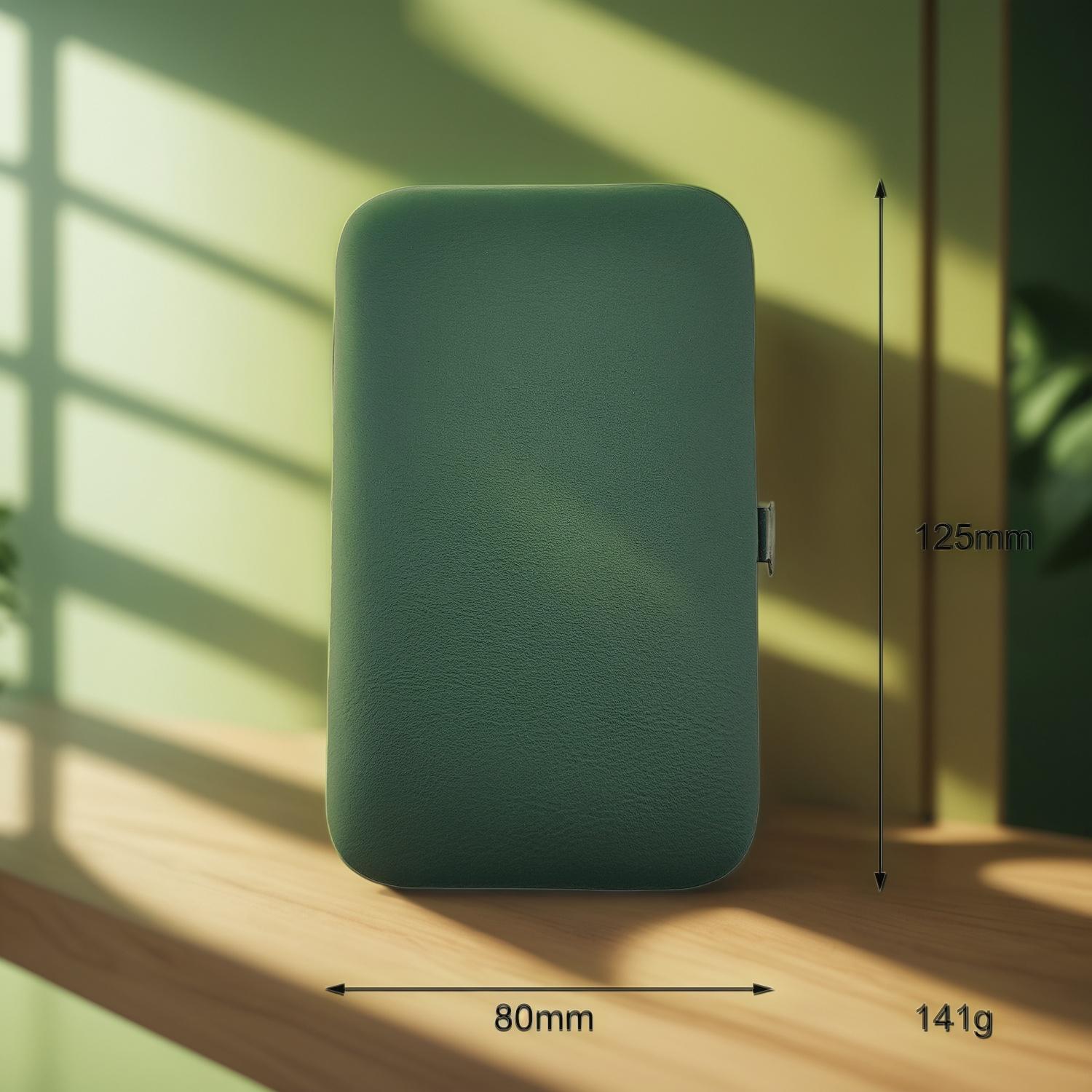
Beauty Tools Wholesale: A Practical Salon Supply Buying Guide
Buying beauty tools wholesale is not only about lowering the unit cost. For salons, spas, lash studios, nail technicians, and beauty retailers, the larger goal is building a reliable supply of tools that feel consistent in the hand, perform safely, support efficient service work, and arrive in packaging suitable for your business. A weak tool can slow down a service, create inconsistent results, or increase replacement costs. A well-selected tool can help your team work with more confidence while keeping your retail or back-bar inventory organized.
Olimor Beauty supplies a range of beauty tools for professional and personal care use, including categories often purchased in bulk such as eyelash curlers, manicure tools, pedicure tools, and grooming accessories. If you are comparing beauty tool products for salon use, the most useful approach is to evaluate the product category, construction, handling, finish, packaging, and long-term inventory fit before placing a wholesale order.
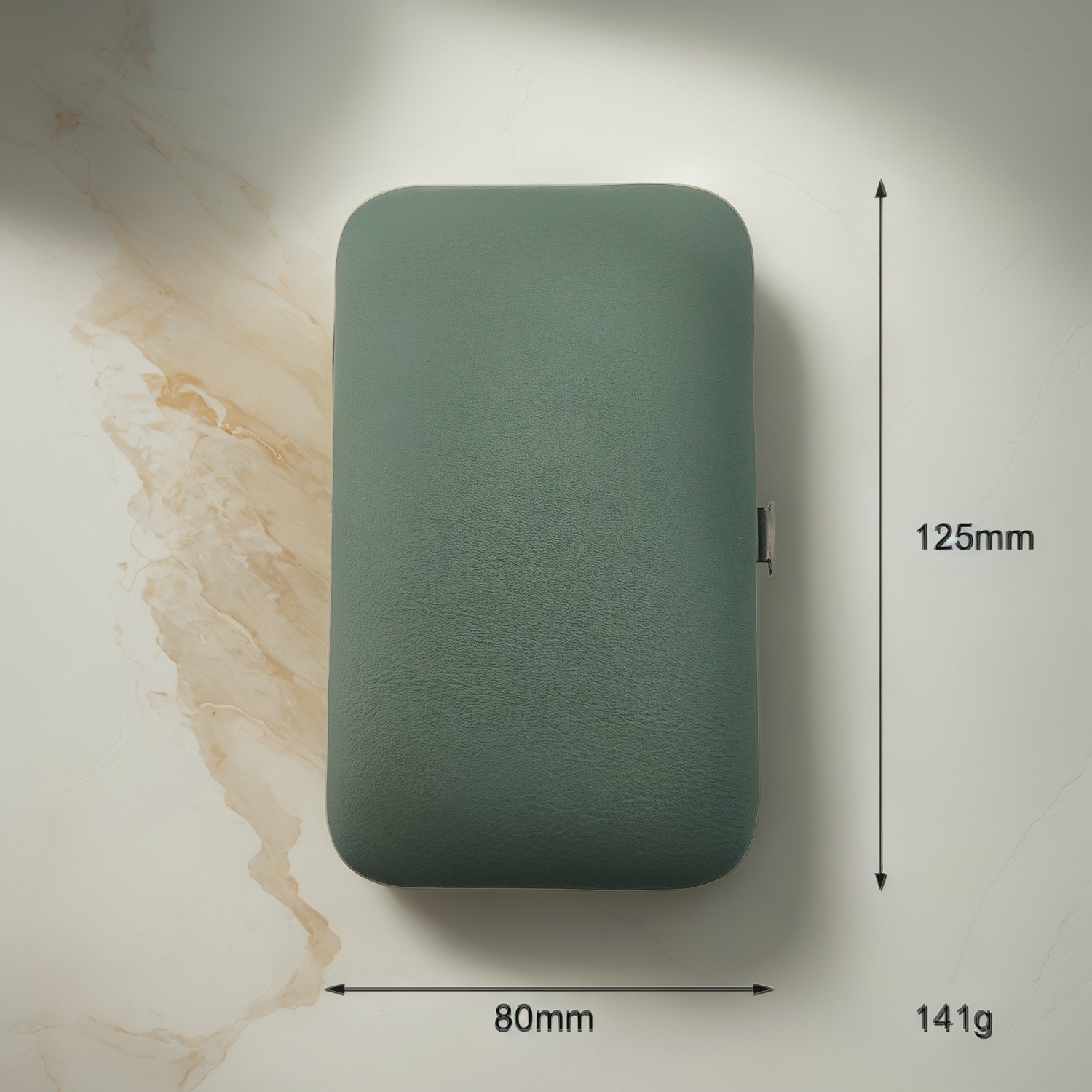
What Salons Should Prioritize When Buying Beauty Tools Wholesale
Professional buyers often compare beauty tools by appearance first, but the better starting point is service use. A tool may look polished in a catalog photo, yet still be unsuitable if it is uncomfortable to hold, difficult to clean, too fragile for daily handling, or inconsistent across a bulk shipment. Wholesale purchasing should reduce uncertainty, not add it.
Before selecting a supplier or product mix, map your buying decision to three questions: who will use the tool, how frequently it will be used, and whether it is intended for service stations, resale, promotional kits, or mobile appointments. Salon back-bar tools usually need durability and easy sanitation. Retail tools need attractive presentation and clear usability. Mobile kits benefit from lightweight and portable pieces that remain organized during transport.
For personal care tools wholesale, stainless steel is often preferred for manicure and grooming items because it is durable, clean-looking, and suitable for repeated handling. Olimor Beauty manicure sets are described with ergonomic designs made from stainless steel, which is a practical combination for buyers who need tools that are comfortable to use and easy to position in professional or consumer grooming kits. When comparing options, look closely at grip shape, edges, hinges, closure tension, and finishing quality rather than relying on broad claims alone.
Core Wholesale Categories: Lash, Manicure, Pedicure, and Grooming Tools
A salon supply plan is strongest when each category has a defined role. Eyelash curlers bulk purchases may support makeup stations, lash service add-ons, retail displays, or promotional sets. Manicure kits can be used for nail service preparation, personal grooming, retail gifting, or travel-friendly care sets. Pedicure tools may support foot-care services, spa packages, or retail aftercare recommendations, depending on your business model.
When evaluating eyelash curlers in bulk, focus on the shape of the curler, the smoothness of the opening and closing action, the comfort of the handles, and whether replacement pads or protective packaging are part of the product plan. A curler that pinches, feels unstable, or has rough edges can quickly create customer dissatisfaction. For salons, consistency between units matters because team members should not need to adjust their technique for every tool.
For manicure and pedicure tool suppliers, the details are different. Nail tools should feel controlled rather than slippery, and cutting or shaping surfaces should be finished cleanly. A kit should make sense as a set: the tools should complement each other, fit neatly in the case, and support common grooming steps. If you are sourcing bulk beauty products for salons, avoid mixing too many unrelated items in one order unless you have a clear merchandising or operational reason.
Wholesale Selection Checklist for Professional Buyers
A structured checklist helps prevent emotional buying and makes supplier comparison easier. Use the following points when reviewing samples, product pages, or order proposals:
- Intended use: Decide whether the tool is for daily salon service, retail sale, promotional gifting, training, or mobile work.
- Material and finish: Look for clean finishing, smooth edges, suitable surface treatment, and materials appropriate to the tool type. For manicure sets, stainless steel construction is a practical point to verify.
- Ergonomics: Check whether the tool feels balanced, stable, and easy to control during repeated use.
- Consistency: In wholesale orders, units should look and function consistently so your service process remains predictable.
- Packaging: Confirm whether the packaging supports storage, retail display, gift presentation, or shipment protection.
- Cleaning and storage: Consider whether the tool can be wiped, stored, and organized efficiently in a salon setting.
- Assortment fit: Make sure each item supports a real service, retail, or kit-building need instead of adding clutter to inventory.
These points are especially useful for multi-location salons or growing retailers because they create a shared standard. Instead of choosing tools based only on price, your team can compare how each product will perform across real use cases.
How to Compare Suppliers Without Relying on Price Alone
Price matters in beauty tools wholesale, but the lowest price can become expensive if the tools require frequent replacement, create returns, or arrive with inconsistent finishing. A more complete comparison looks at product suitability, quality control, communication, packaging options, and how well the supplier understands the beauty tool category.
Olimor Beauty emphasizes quality control across beauty tool production, including attention from raw materials to final packaging. For buyers, that kind of process focus is important because wholesale purchasing depends on repeatability. You are not purchasing a single tool; you are purchasing a batch that should meet the same expectations across all units.
If you are building a buying shortlist, compare suppliers using practical evidence. Review product photos carefully, examine available descriptions, request clarification on materials or packaging where needed, and inspect samples against the same criteria you will use for the full order. You can also explore Olimor product collections to understand how different tool categories may fit into a broader salon or retail assortment.
| Buying Factor | Why It Matters | What to Check |
|---|---|---|
| Tool handling | Affects speed, comfort, and control during services | Grip, balance, hinge action, edge smoothness |
| Material choice | Influences durability and cleaning expectations | Stainless steel use, surface finish, visible defects |
| Packaging | Supports storage, resale, and shipment protection | Case fit, labeling space, protection against scratches |
| Batch consistency | Reduces complaints and staff adjustment time | Uniform appearance, matching function, stable finish |
| Category fit | Prevents overbuying and slow-moving stock | Service demand, retail demand, kit compatibility |
Planning Inventory for Salons, Retail Displays, and Mobile Services
Wholesale orders work best when inventory is planned around actual movement. A busy lash or makeup station may go through eyelash curlers or related tools differently than a nail studio uses manicure sets. A spa that offers pedicure services may need durable tools for service rooms while also keeping retail-friendly personal care items near checkout.
Start by dividing your inventory into three groups: tools used by staff, tools sold to clients, and tools kept as backup or promotional stock. Staff tools should be chosen for comfort, repeat use, and easy cleaning. Retail tools should be intuitive for customers and presented neatly. Backup stock should be limited but sufficient to prevent service disruption when tools are replaced, misplaced, or added to a new station.
For mobile professionals, weight and portability become more important. The original product information highlights manicure kits as lightweight and portable, which is valuable for technicians who travel between appointments or carry compact grooming sets. A portable tool kit should close securely, keep items separated, and be easy to check before and after each service.
Care, Storage, and Replacement Practices That Protect Your Purchase
After tools arrive, how they are handled affects their value. Even durable beauty tools can be damaged by poor storage, moisture exposure, rough transport, or mixing sharp items loosely in drawers. A simple care routine helps maintain appearance and function while making tools easier for staff to locate.
Create a station-level system: clean tools according to the appropriate salon hygiene process, dry them thoroughly, return them to designated holders or cases, and separate service tools from retail stock. For retail beauty tools, keep packaging clean and avoid placing display units where they may be scratched or repeatedly opened without supervision. For kits, check that every piece returns to the correct slot so the set remains complete.
Replacement planning is also important. Track which tools wear faster, which categories sell steadily, and which items generate questions from clients. This information helps you refine future wholesale orders. A smaller, better-performing assortment is often more profitable than a large mix of tools that do not match your services or customers.
Building a Better Wholesale Inquiry
A clear inquiry saves time and improves the quality of the response you receive. Instead of asking only for a general price list, describe the product category, intended use, approximate order direction, packaging needs, and any retail or salon requirements that matter to your business. For example, a buyer sourcing eyelash curlers bulk for retail display will have different priorities than a salon sourcing manicure tools for service stations.
If you are evaluating Olimor Beauty for beauty tools wholesale, you can send an inquiry with the categories you are considering, or contact Olimor for guidance on available beauty tool options. Keep your inquiry specific but flexible: the goal is to find tools that match your service environment, customer expectations, and inventory plan.
Wholesale beauty tool sourcing is most successful when buyers combine practical inspection with thoughtful assortment planning. By looking beyond unit price and evaluating ergonomics, materials, consistency, packaging, and inventory purpose, salons and beauty businesses can build a supply program that supports daily work and presents products customers are comfortable using at home.
Tag: