

Beauty Tools Wholesale: Practical Sourcing and Buying Guide for Salons
Beauty tools wholesale purchasing is not only about finding a lower unit cost. For salons, spas, nail studios, lash technicians, distributors, and beauty retailers, the real goal is to build a dependable tool assortment that performs consistently, looks appropriate for the service environment, and can be reordered without disrupting day-to-day operations. A rushed bulk order can leave a business with tools that are uncomfortable to use, difficult to sanitize, poorly packaged, or unsuitable for its customer base.
This guide focuses on practical sourcing decisions for wholesale beauty tools such as eyelash curlers, manicure sets, travel wallets, personal care tools, and pedicure tools. It is designed for buyers who want to compare suppliers more carefully, reduce purchasing mistakes, and create a stock plan that supports professional service quality.

Start With the Tool Categories Your Business Actually Uses
Before comparing prices, define the products that will move through your business most reliably. A salon with strong lash services may need eyelash curlers in bulk for retail add-ons, backbar use, or professional kits. A nail or spa business may focus more on manicure sets, pedicure tools, and personal care accessories. Retailers and distributors may need a broader mix that includes both daily-use tools and giftable grooming items.
Common wholesale beauty tool categories include:
- Eyelash curlers: Often purchased in bulk for lash-focused salons, beauty retailers, and promotional kits. Buyers should pay attention to grip comfort, smooth operation, pad fit, and overall finish.
- Manicure sets: Useful for salons, travel retail, gifting, and personal care ranges. Check the tool selection inside each set rather than buying only by the case design.
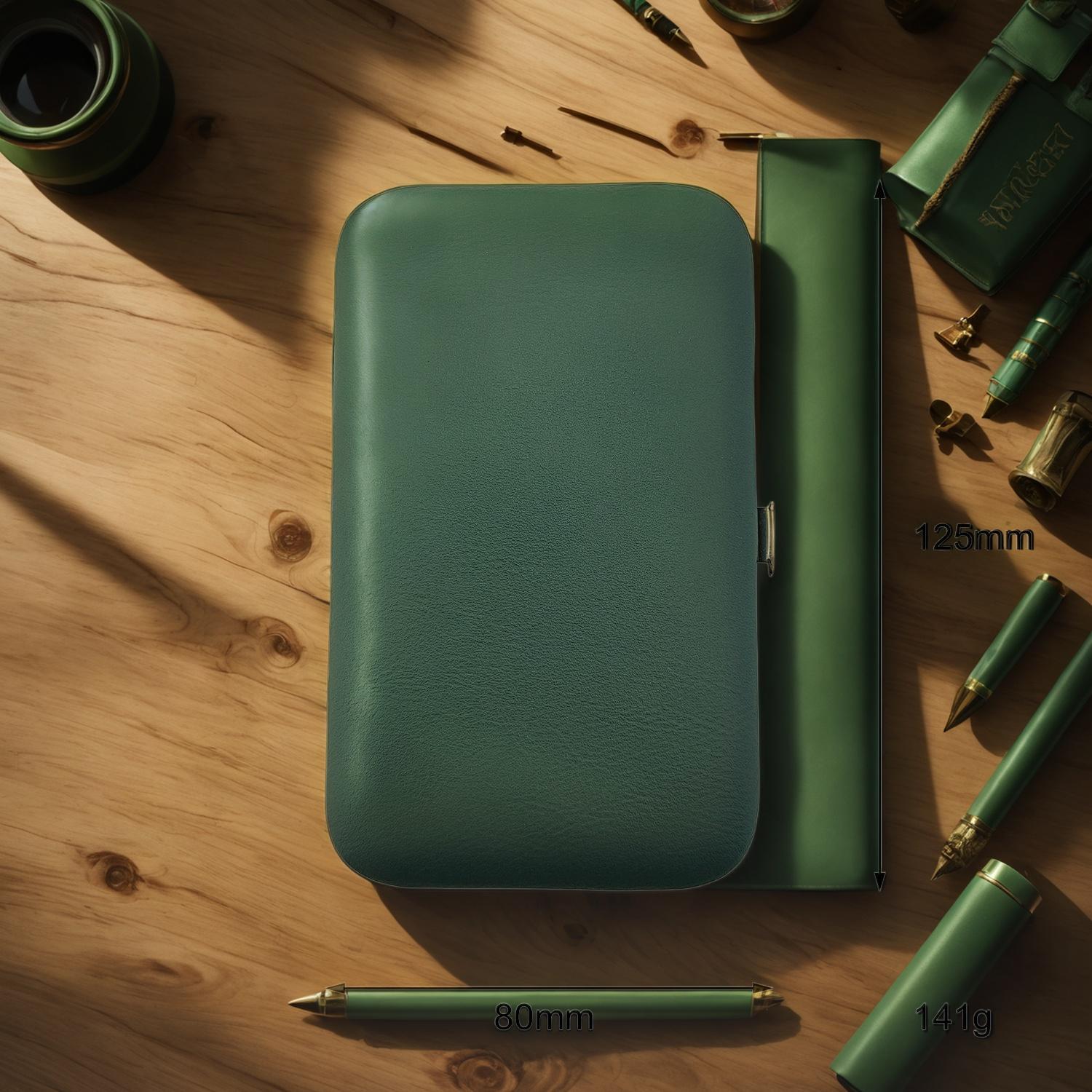
- Travel wallets and grooming kits: Compact personal care items can be useful for retail shelves, hotel amenities, and branded beauty sets.
- Pedicure tools: These require careful attention to function, edges, surface finish, and cleaning suitability because they are often used in close-contact services.
- Stainless steel tools: Stainless steel is commonly chosen for beauty and grooming tools because it can support durability and a professional appearance when manufactured and finished well.
Olimor Beauty offers beauty tool options for professional and personal care use, including items relevant to lash, nail, and grooming categories. Buyers can review broader options through beauty tool products or compare assortments by visiting product collections.
Evaluate Ergonomics, Not Just Appearance
Beauty tools are handled repeatedly throughout the workday. For that reason, ergonomic design can matter as much as the material or packaging. A tool may look polished in a product photo but still feel awkward after multiple uses. For salons and spas, discomfort can slow down service and increase hand fatigue. For retail customers, a tool that feels difficult to control may lead to dissatisfaction and returns.
When assessing ergonomic suitability, look at how the tool is held, how much pressure it requires, and whether the working motion is smooth. For eyelash curlers, the handle shape, hinge movement, curvature, and pad contact are important. For manicure and pedicure tools, check whether the grip area feels stable and whether the tool can be controlled precisely. Olimor Beauty emphasizes ergonomic designs in stainless steel tools, which is a useful starting point for buyers who prioritize professional handling.
If possible, review samples before committing to a larger order. A simple trial with staff can reveal practical issues that specifications alone will not show. Ask technicians to note whether the tool feels balanced, whether it pinches or slips, and whether it performs consistently after repeated operation.
Build a Quality Checklist From Raw Materials to Packaging
Wholesale buyers should avoid judging beauty tools only by the first visible impression. A reliable tool program depends on multiple quality checkpoints, from raw material selection to final packaging. The original quality claim for Olimor Beauty highlights inspections from raw materials to packaging, which is the right way to think about wholesale sourcing. Even when exact technical details vary by item, buyers can use a structured checklist to compare options more objectively.
| Checkpoint | What to Review | Why It Matters |
|---|---|---|
| Material and surface | Check finish consistency, visible defects, sharp burrs, corrosion marks, and overall feel. | Surface issues can affect comfort, sanitation, and customer perception. |
| Function | Open, close, press, clip, or grip the tool repeatedly to test smoothness and stability. | Beauty tools must perform reliably during repeated professional or retail use. |
| Safety and comfort | Look for rough edges, unstable joints, uncomfortable pressure points, or poor alignment. | Tools used near lashes, nails, or skin require careful handling quality. |
| Packaging | Confirm whether packaging protects the tool and suits your retail or service environment. | Damaged packaging reduces shelf appeal and may create avoidable waste. |
| Assortment fit | Compare the item with your existing service menu, retail price points, and customer needs. | A good tool is still a poor buy if it does not match your business model. |
This type of checklist helps purchasing teams compare suppliers without relying on vague promises. It also makes internal communication easier when multiple people are involved in product selection.
Choose Suppliers Based on Consistency and Communication
A reputable beauty tools wholesale supplier should be able to support repeat purchasing, not just a one-time transaction. For salons and distributors, consistency is often more valuable than chasing the lowest available price. If a tool changes unexpectedly between orders, staff may need to adjust their technique, retail displays may no longer match, and customers may notice differences in quality.
When reviewing a supplier, pay attention to the clarity of product information, sample handling, packaging options, and the ability to answer practical manufacturing questions. For example, buyers of eyelash curlers may want to compare dimensions, pad replacement approach, handle comfort, and packaging format. Buyers of manicure or pedicure tools may need to understand finish, edge consistency, and set composition.
It is also helpful to evaluate how the supplier discusses quality. Strong suppliers can usually explain the stages they monitor, such as material review, production checks, functional inspection, and packaging review, without relying only on broad marketing language. If your business is comparing assortments or planning a new purchasing program, you can contact Olimor for product discussion or send an inquiry with the tool categories you are evaluating.
Plan Bulk Orders Around Real Usage, Not Guesswork
Bulk purchasing works best when order quantities are connected to real demand. A salon may use certain tools daily in service rooms but sell different items at reception. A distributor may need a broader assortment but must avoid overstocking slow-moving items. Before placing a wholesale order, review previous sales, service frequency, seasonal peaks, and staff feedback.
For example, eyelash curlers in bulk may be a strong fit for lash studios, beauty schools, retail gift sets, or promotional bundles. Pedicure tools may require a more controlled reorder plan based on service volume and hygiene protocols. Manicure sets and travel wallets may perform better as retail products, seasonal gifts, or add-ons rather than daily backbar items.
A practical buying plan can include the following steps:
- Separate service-use tools from retail tools. Service tools should be chosen for durability, control, and cleaning suitability. Retail tools should also consider packaging and customer appeal.
- Identify your core assortment. Focus on the products you expect to reorder regularly before expanding into less predictable items.
- Test samples with real users. Staff and target customers can provide feedback on grip, finish, packaging, and perceived value.
- Review storage and display space. Bulky packaging or too many similar items can reduce operational efficiency.
- Create reorder triggers. Track usage and sales so replenishment happens before stockouts affect services or retail shelves.
Balance Price With Total Business Value
Unit cost matters, but it should not be the only factor in beauty tools wholesale purchasing. A cheaper tool that breaks, feels uncomfortable, or arrives with inconsistent packaging can cost more through complaints, returns, service delays, or lost trust. Total value includes product reliability, presentation, supplier responsiveness, and how well the item fits your customers.
When comparing quotes, look at what is included in the offer. Are the items individually packaged or supplied as sets? Is the tool suitable for retail display, professional kits, or backbar storage? Does the assortment match your market, or are you buying excess items simply because they come bundled together? These questions help prevent hidden costs after the order arrives.
For professional buyers, stainless steel tools with ergonomic designs can be a sensible direction when the finish, function, and packaging are aligned with the intended use. However, every category should still be evaluated on its own merits. Eyelash curlers, pedicure tools, manicure tools, and grooming accessories each have different performance expectations.
Make Wholesale Sourcing a Repeatable Process
The strongest wholesale buying programs are repeatable. Instead of treating each order as a separate search, create a consistent sourcing process: define the category, review samples, test function, compare packaging, document feedback, and track sales or usage after purchase. Over time, this gives your business a clearer view of which beauty tools deserve permanent space in your assortment.
Olimor Beauty supports buyers looking for wholesale beauty tools across lash, nail, pedicure, and personal care categories. Whether you are stocking a salon, building a retail selection, or comparing suppliers for distribution, the best results come from matching tools to real use cases and applying disciplined quality checks before ordering in volume.
Beauty tools wholesale sourcing is ultimately about control: control over quality, inventory, customer experience, and reorder reliability. With a structured buying checklist and careful supplier evaluation, salons and beauty businesses can create a tool assortment that works consistently for both professionals and end users.
Tag: