

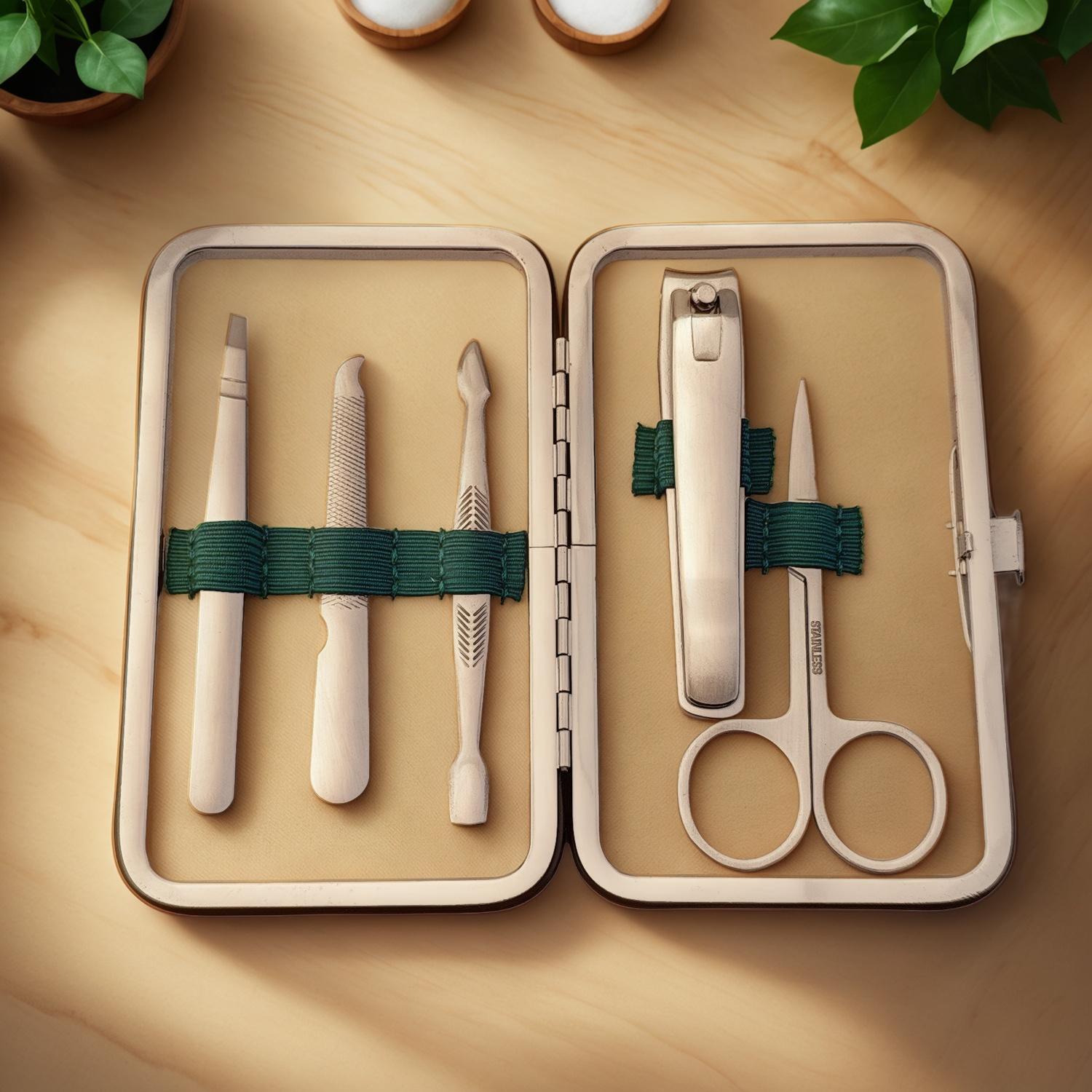
Choosing a Beauty Tools Supplier in China for Custom and Wholesale Grooming Tools
Sourcing beauty tools from China can be a practical route for brands, salon distributors, retailers and promotional buyers that need reliable grooming products at scale. The opportunity is not only lower unit cost. A capable beauty tools supplier in China can help with product selection, customization, packaging coordination and repeat order consistency. The challenge is knowing how to evaluate suppliers before you commit to a bulk purchase or a private-label project.
This guide focuses on the real buying questions behind beauty tool sourcing: what to check, how to compare custom manufacturing options, and how to reduce risk when ordering wholesale grooming tools. Olimor Beauty supports buyers looking for tailored beauty tool solutions with attention to detail, delivery reliability and quality assurance from raw materials through packaging.
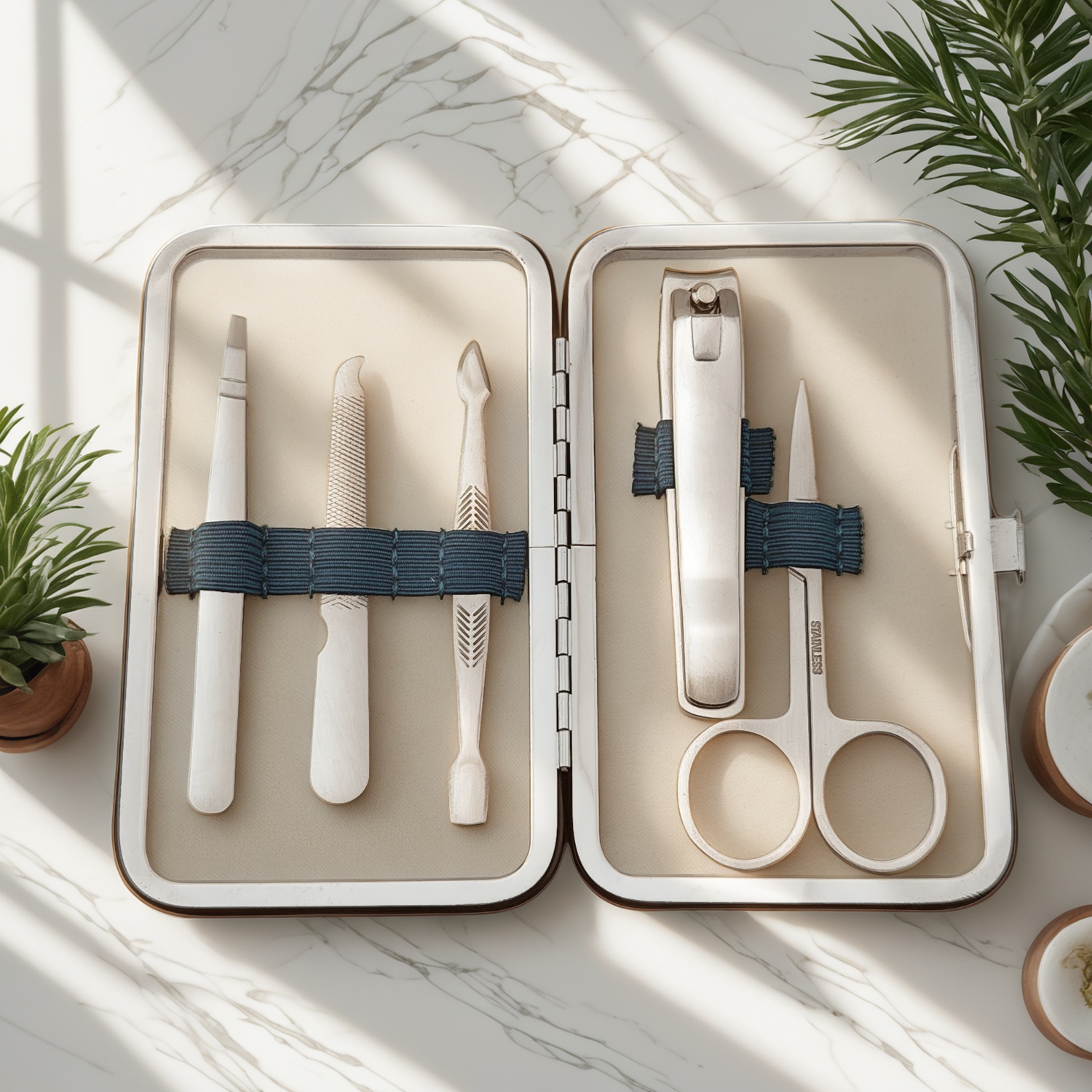
Start With the Product Use Case, Not the Cheapest Quotation
Before comparing prices, define exactly how the tools will be used and sold. Beauty tools for a salon professional, a retail starter kit, a travel accessory set and a promotional gift box may look similar online, but they have different priorities. A salon channel may care most about grip, balance, cleaning convenience and long service life. A retail buyer may need attractive packaging, clear labeling and a consistent visual finish across the range. A distributor may prioritize repeat supply and cartons that are easy to manage in warehouse operations.
Good sourcing begins with a simple product brief. It does not need to be overly technical, but it should describe the tool type, target buyer, expected price position, packaging format, branding needs and any market-specific labeling requirements. If you are still exploring categories, review Olimor beauty tool products to organize your ideas before starting a custom or wholesale discussion.
A well-prepared brief helps prevent vague quotations. It also makes it easier for a supplier to recommend suitable options instead of simply offering the lowest-cost version. For beauty tools, small details such as edge finishing, handle shape, closure feel, surface polish, spring response, pouch material or retail display structure can strongly affect customer satisfaction.
What to Look for in a Beauty Tools Supplier in China
A dependable supplier should be evaluated across more than product photos. Photos show style, but they do not prove consistency, packaging care or order management. For bulk purchase grooming tools, the supplier’s process is as important as the item itself.
- Product category fit: Choose a supplier already familiar with grooming and beauty tools, rather than a general trading source with limited product knowledge.
- Customization support: Confirm whether the supplier can discuss branding, packaging, finish options and practical design adjustments for your audience.
- Quality control approach: Look for clear inspection steps covering materials, production appearance, functionality and packaging condition.
- Communication quality: A reliable supplier should answer product questions clearly, confirm details in writing and help identify unclear specifications before production.
- Order repeatability: For wholesale programs, the key question is not only whether one order looks good, but whether future orders remain consistent.
- Packaging readiness: Beauty tools often depend on presentation. Check whether inner packaging, retail boxes, protective packing and carton labeling can match your sales channel.
Olimor Beauty positions its work around tailored beauty tools, precision and attention to detail. For buyers, that means the sourcing conversation should go beyond “what is the price?” and include how the product will be finished, packed, inspected and prepared for sale.
Custom Beauty Tools: Decisions to Make Before Development
Working with a custom beauty tools manufacturer allows a brand to create grooming tools that better match its identity and customer expectations. Customization can be valuable, but only when it is guided by clear decisions. Without a focused plan, buyers may spend time adjusting details that do not improve the final product.
Start with the level of customization you actually need. Some projects only require logo placement and packaging artwork. Others may need changes to color, finish, grip design or set composition. More complex development can involve shaping, material decisions and new packaging structures. Each level affects sampling time, cost considerations and production management.
For custom projects, prepare the following before requesting a quotation:
- Target market: Identify whether the tools are for retail consumers, professional salons, gift sets, e-commerce kits or distributor inventory.
- Brand position: Decide whether the product should look value-oriented, minimal, premium, clinical, colorful or travel-friendly.
- Packaging format: Consider whether the item needs a pouch, paper box, blister pack, display-ready packaging or simple bulk packing.
- Logo and artwork files: Provide usable design files when available, and specify placement preferences.
- Functional priorities: Define what matters most: grip comfort, compact size, smooth operation, easy cleaning, lightweight handling or giftable appearance.
- Market requirements: Note any labeling language, barcode, warning text or retailer packaging rules that apply to your sales channel.
A good custom conversation should balance appearance with practical manufacturing. For example, a beautiful finish may be less useful if it scratches easily in transit. A compact tool may look attractive in a set, but may not be comfortable for extended use. A low-cost box may protect poorly during international shipping. The supplier should help you think through these trade-offs before production begins.
Quality Checks That Matter for Grooming Tool Wholesale Orders
Quality assurance for beauty tools should be specific. A general statement about “high quality” is not enough for wholesale buying. Olimor Beauty emphasizes inspections and quality control from raw materials to packaging, and buyers should translate that concept into clear checkpoints for their order.
The right checks depend on the tool category, but the following areas are commonly useful when evaluating grooming tools:
| Inspection Area | What Buyers Should Review | Why It Matters |
|---|---|---|
| Appearance | Surface finish, color consistency, scratches, dents, stains and visible glue or burrs | Beauty tools are often judged immediately by visual condition, especially in retail packaging. |
| Function | Opening and closing, grip comfort, alignment, smooth movement and stability | A tool that looks acceptable but feels poor in use can create complaints and returns. |
| Safety and finishing | Sharp unwanted edges, rough contact points and loose components | Grooming tools are handled close to skin, so finishing quality affects user confidence. |
| Branding | Logo placement, print clarity, color accuracy and durability of decoration | Incorrect branding weakens the product’s retail value and may delay launch schedules. |
| Packaging | Box strength, insert fit, labeling, barcode readability and carton protection | Packaging must protect the item and communicate the brand clearly through shipping and display. |
When placing bulk orders, it is helpful to define acceptable samples or reference photos before production. This gives both sides a shared standard for judging finish, packaging and branding. It also reduces subjective debate later, especially if multiple colors or tool types are included in one order.
Bulk Purchase Grooming Tools: How to Plan Inventory Sensibly
Bulk purchasing can improve cost efficiency and simplify inventory planning, but it should be tied to realistic sales expectations. Ordering too little can lead to stockouts and repeated freight costs. Ordering too much can tie up cash in slow-moving colors, tool types or packaging styles.
For a first order, many buyers build a balanced assortment rather than putting all volume into one style. If you sell through salons or retail shelves, consider how the products will be displayed and replenished. If you sell online, think about photography, bundle combinations, packaging weight and customer unboxing expectations. If the order supports a seasonal promotion, confirm production and delivery planning early enough to allow time for receiving, inspection and distribution.
Wholesale beauty tools also require careful carton-level planning. Ask internally how the goods will be stored, picked and shipped after arrival. Retail-ready units may need different packing than bulk salon supply items. A distributor may prefer clear carton marks and consistent inner quantities, while an e-commerce seller may care more about individual protection and presentation.
To compare product directions, browse Olimor product collections and think about how different tools could work together in kits, sets or replenishment programs.
Packaging and Branding Choices That Affect Sales
Packaging is not an afterthought for beauty tools. It protects the product, communicates the brand and influences whether a customer perceives the item as professional, giftable or everyday utility. For private-label grooming tools, packaging decisions should be made early because they can affect product dimensions, insert structure, barcode placement and shipping protection.
A simple logo on the tool may be enough for wholesale salon supply. Retail buyers may need a stronger shelf presence, including product information, usage notes and consistent brand colors. Gift sets may require a more polished presentation, while travel items may benefit from compact pouches or protective cases. The best choice depends on sales channel, not personal preference.
Keep artwork practical. High-contrast logos are usually easier to read at small sizes. Packaging copy should be clear and compliant with the market where the item will be sold. If multiple tools are packed together, make sure the box or insert holds each piece securely so the set does not arrive looking disorganized.
Questions to Clarify Before You Send an Inquiry
A strong inquiry saves time for both buyer and supplier. Instead of sending only a product name, include enough context to receive a meaningful response. You do not need final specifications for every detail, but you should clarify the business goal and decision timeline.
- Which tool types or sets are you interested in?
- Do you need wholesale supply, private-label branding or deeper customization?
- What sales channel will the products serve: salon, retail, e-commerce, distributor or promotional use?
- Do you have target packaging requirements or artwork files?
- Are there preferred colors, finishes or visual references?
- What quality concerns are most important for your customers?
- Do you need samples for internal review, photography or retailer approval?
When you are ready to discuss a project, you can send an inquiry with your product brief, or contact Olimor for guidance on suitable beauty tool sourcing options.
Build a Supplier Relationship Around Consistency
The best beauty tools supplier relationship is built around repeatable quality, clear communication and realistic planning. Competitive pricing matters, but it should not replace product suitability, packaging protection and inspection discipline. For custom beauty tools, the supplier should understand how design decisions affect manufacturing and how packaging decisions affect market presentation. For wholesale grooming tools, the supplier should help maintain consistency across batches and support practical order coordination.
By preparing a clear brief, reviewing samples carefully and defining quality expectations early, buyers can make sourcing from China more predictable. Olimor Beauty offers a practical starting point for companies that need tailored beauty tools, wholesale grooming products and custom solutions designed around their brand and sales channel.
Tag: