

How to Choose a Beauty Tools Manufacturer for Durable Grooming Essentials
For a grooming brand, salon distributor, retailer, or promotional product buyer, the manufacturer behind a beauty tool line matters as much as the final packaging. Nail clippers, tweezers, scissors, cuticle pushers, nail files, and manicure kits are small items, but they are handled closely, used repeatedly, and judged quickly by the customer. A tool that feels weak, misaligned, uncomfortable, or difficult to clean can damage confidence in the entire product range.
Choosing the right beauty tools manufacturer is therefore a sourcing decision based on precision, material suitability, design discipline, consistency, and communication. Olimor Beauty focuses on personal care tools where durability, usability, and appearance all need to work together. Whether you are developing a simple retail nail care item or a curated grooming set, the goal is the same: tools that feel reliable in the hand and perform consistently during everyday use.
Why Tool Quality Is Central to Grooming Product Trust
Beauty tools are different from many cosmetic products because customers can immediately feel their quality. A nail clipper either cuts cleanly or leaves a rough edge. Tweezers either grip a fine hair accurately or slide away. A cuticle tool either feels controlled or too sharp, too dull, or poorly balanced. These experiences shape whether a buyer returns to your brand.
For bulk nail care tools and personal grooming accessories, long-term trust depends on repeatable manufacturing rather than a single attractive sample. Good sourcing should consider how the product performs after repeated use, how edges are finished, how joints align, and whether the tool remains comfortable for different hand sizes. This is especially important for businesses that sell sets, because one weak component can reduce the perceived value of the entire kit.
When reviewing beauty tool products, buyers should look beyond the front-facing appearance. Surface finish, edge consistency, tension, grip, and packaging protection all influence the final user experience. A reliable manufacturer will understand these details and help identify where quality should be prioritized for the target retail channel.
Material and Design Decisions That Affect Performance
The original purpose of most grooming tools is simple, but the manufacturing choices behind them are not. Olimor Beauty uses stainless steel for its resilience and hygienic properties, making it a practical material for many nail care and personal grooming items. Stainless steel is widely preferred in this category because it can support clean edges, resist everyday wear, and be wiped down after use. However, material alone does not guarantee a strong product. Shape, finishing, alignment, and user comfort are equally important.
Ergonomic design is not only about making a tool look modern. A clipper should offer steady leverage. Tweezers should meet evenly at the tip. A grooming scissor should open and close smoothly. A nail file or cuticle tool should be easy to guide without forcing the hand into an awkward angle. For retail brands, these small design decisions help reduce returns and improve customer satisfaction.
- Grip and control: Handles and contact points should help users guide the tool safely and accurately.
- Edge finish: Cutting and trimming areas should be consistent, clean, and suitable for the intended use.
- Balance: The tool should not feel too light, too heavy, or poorly weighted for everyday grooming.
- Surface treatment: Finishing should support a neat appearance and make the item easier to maintain.
- Set compatibility: Tools in a kit should feel visually and functionally consistent, not like unrelated items placed together.
What to Evaluate in an OEM Personal Care Tools Supplier
For a brand preparing to launch or expand a grooming range, an OEM personal care tools supplier should provide more than basic production. The supplier should help translate your target market, price position, retail format, and packaging concept into practical manufacturing choices. This includes reviewing tool types, finishes, set composition, package protection, and inspection priorities.
It is helpful to separate the sourcing process into stages. First, define the customer and use case. A travel manicure set, a professional-looking grooming kit, and an everyday nail care item for mass retail may require different priorities. Second, select the tool combination and finish direction. Third, confirm what details must remain consistent across production. Finally, plan packaging that protects the tools and presents them clearly to the customer.
Businesses comparing product collections should also think about assortment logic. A compact kit may need only essential tools, while a larger set should justify every added item. Too many low-value components can make a kit look crowded instead of premium. A manufacturer familiar with grooming essentials can help keep the assortment practical.
Quality Checks That Matter Before Bulk Production
Quality control for beauty tools should focus on the ways customers actually use the product. Appearance is important, but function is the core test. Before confirming a bulk order, buyers should review samples and assess the key areas that influence safety, comfort, durability, and retail presentation.
| Check Area | What to Review | Why It Matters |
|---|---|---|
| Material and finish | Surface smoothness, visible marks, corrosion-prone areas, and cleaning ease | Affects hygiene perception, appearance, and long-term usability |
| Cutting or gripping function | Clipper bite, tweezer tip alignment, scissor movement, and file consistency | Determines whether the tool performs its basic job well |
| Edge and tip safety | Sharpness where needed, smoothness where handled, and absence of rough burrs | Reduces discomfort and improves user confidence |
| Assembly and movement | Hinges, joints, tension, spring response, and opening or closing feel | Supports repeatable performance through normal use |
| Packaging fit | Tool placement, protection during transport, and presentation after opening | Helps prevent scratches, movement, and poor first impressions |
Internal inspection should start with raw material review and continue through forming, finishing, assembly, and final packing. Olimor Beauty emphasizes quality checks throughout the process so that each item leaving production reflects the expected standard. For buyers, the important point is to define measurable acceptance criteria early rather than relying only on visual approval at the end.
Building a Practical Grooming Set for Retail or Private Label
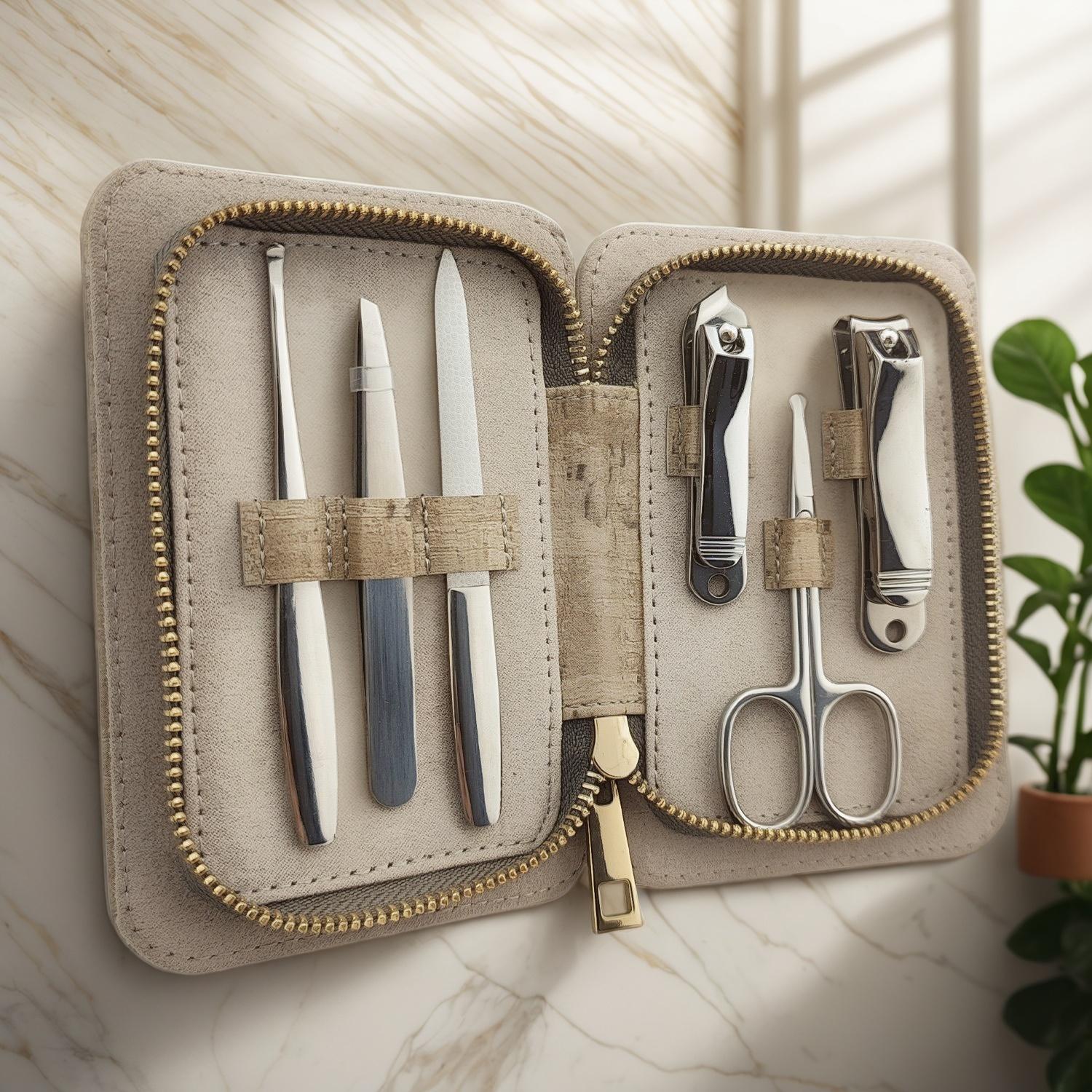
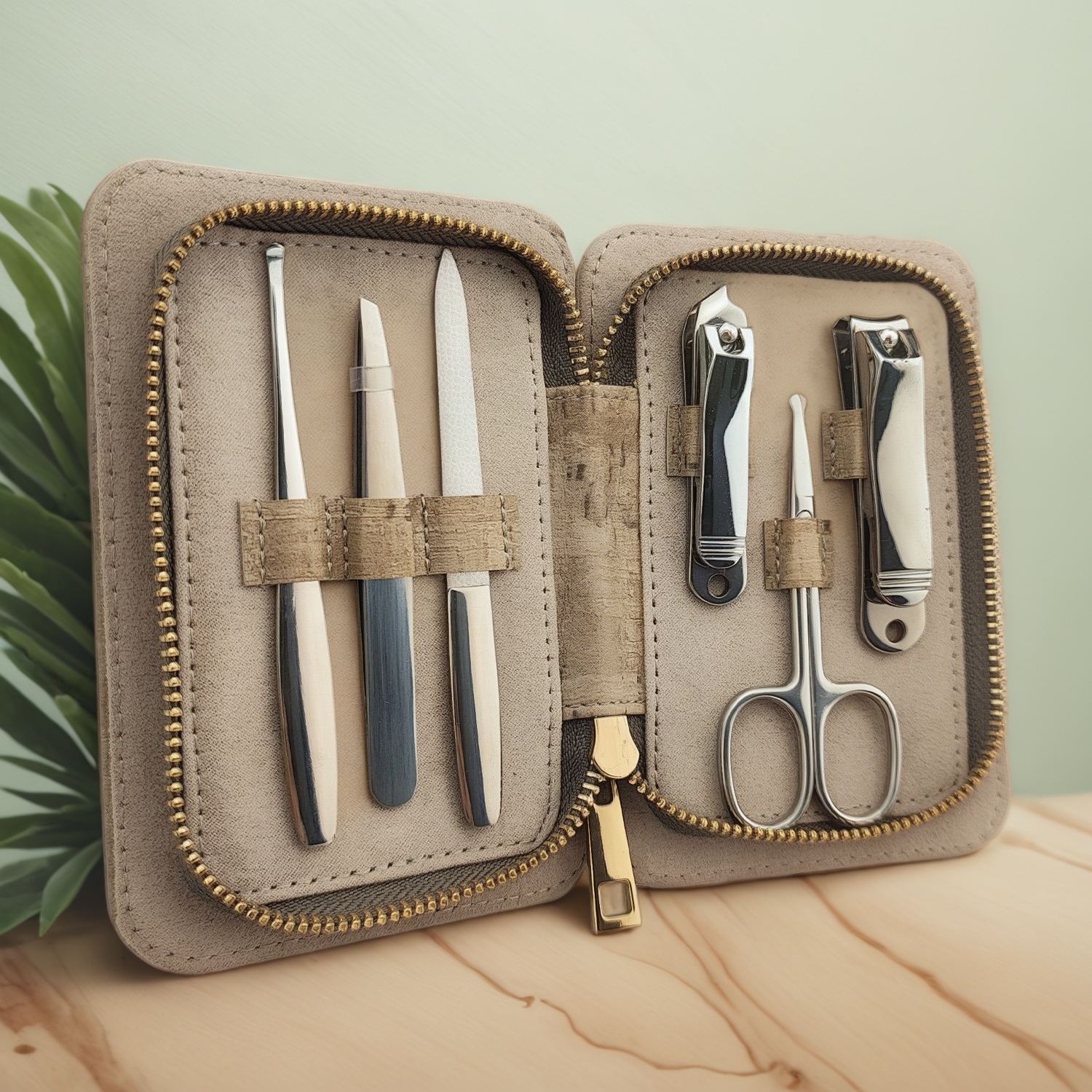
A strong grooming set is not simply a collection of tools placed into a pouch or box. It should solve a clear customer need. Some sets are designed for nail trimming and shaping. Others focus on eyebrow and facial grooming. Larger manicure kits may include multiple tools for home care, travel, gifting, or salon-adjacent use. The best set composition depends on where the product will be sold and how customers will compare it on the shelf or online.
When planning a private label beauty tools range, consider the product hierarchy. A single nail clipper may need to compete on precision and finish. A small kit may compete on convenience. A larger grooming set may compete on completeness and presentation. Each format requires a different approach to tool selection and packaging cost. Adding more pieces is not always the best route; adding the right pieces is more important.
- Define the main user: Home user, travel buyer, gift customer, salon reseller, or retail chain shopper.
- Choose the core function: Nail trimming, shaping, cuticle care, eyebrow grooming, or a complete manicure set.
- Select only useful tools: Avoid filler items that increase piece count but reduce perceived quality.
- Match the finish: Keep color, surface treatment, and handle design consistent within the set.
- Plan protective packaging: Prevent tools from rubbing, shifting, or arriving with visible defects.
Packaging, Branding, and Sourcing Communication
Packaging is often the first physical contact a customer has with a grooming product, so it must do more than hold the tools. It should communicate the product’s purpose, protect the finish, and make the set easy to understand. For online sales, packaging also needs to survive handling and shipping. For retail shelves, it should show enough detail to build trust without overwhelming the buyer.
An OEM supplier can support decisions around layout, color direction, labeling space, and how tools are secured. The best approach is to align packaging with the product tier. A simple everyday item may need clean and efficient packaging, while a giftable manicure kit may require a more refined presentation. In both cases, the packaging should not hide functional weaknesses. A well-made tool should be easy to examine and easy to explain.
Clear communication helps prevent sourcing mistakes. Provide target markets, expected sales channel, tool list, finish preferences, packaging direction, and any compliance or labeling requirements relevant to your business. If you need guidance on a future order or want to compare options, you can contact Olimor or send an inquiry with your product concept and purchasing goals.
Maintenance Guidance That Adds Value for End Customers
Retail brands can improve customer satisfaction by including simple care guidance with beauty tools. Many complaints about grooming tools come from misuse, poor storage, or lack of cleaning. A small care card or concise packaging note can help customers keep tools in better condition and use them more safely.
Recommended guidance can be straightforward: wipe tools clean after use, keep sharp edges protected, store items in a dry place, avoid dropping precision tools, and use each tool only for its intended purpose. For sets, a pouch or case is not just decorative; it helps prevent scratches and protects tips and cutting edges. These instructions do not need to be technical, but they should be clear enough to reduce avoidable damage.
Choosing a Manufacturer for Long-Term Product Quality
A beauty tools manufacturer should be evaluated on more than price. The better question is whether the supplier can consistently produce grooming essentials that match your brand promise. That includes material choice, functional design, inspection discipline, packaging support, and the ability to understand how the product will be sold and used.
Olimor Beauty’s approach centers on durable stainless steel tools, ergonomic design, and quality control from material inspection to finished product. For brands and buyers, this creates a foundation for sourcing nail care tools, tweezers, clippers, and manicure kits that feel dependable in daily use. By focusing on practical performance instead of unnecessary claims, you can build a grooming range that customers recognize as well made, useful, and worth buying again.
Tag: