

Beauty Tools Manufacturer: How Precision Shapes Better Personal Care Tools
Choosing a beauty tools manufacturer is not only a purchasing decision. For skincare brands, distributors, salon suppliers, and private label buyers, it affects product safety, customer trust, repeat orders, and the way a tool performs in daily use. A tweezer that does not align cleanly, an extractor with a poorly finished loop, or a grooming tool with uncomfortable edges can quickly turn a simple personal care routine into a negative brand experience.
Olimor Beauty focuses on personal care tools where precision, durability, and practical handling matter. The goal is straightforward: produce tools that feel controlled in the hand, are suitable for repeated use, and meet the expectations of customers who pay attention to detail. This guide explains what to look for when evaluating a manufacturer, using the ergonomic comedone extractor as a clear example of how design and quality control influence performance.

Why Manufacturer Precision Matters in Personal Care Tools
Personal care tools often work close to delicate skin, small facial contours, cuticles, or fine hair. That leaves little room for careless manufacturing. The difference between a reliable tool and a frustrating one may come down to small details: the angle of a tip, the smoothness of an edge, the uniformity of a loop, or the way the tool balances between the fingers.
For consumer brands, these details become part of the product promise. Customers may not know how a tool was formed, polished, inspected, or packaged, but they immediately notice whether it feels sharp in the wrong place, slips during use, or becomes uncomfortable after a short period. A capable personal care tools manufacturer should therefore treat precision as a product requirement, not a decorative feature.
Stainless steel tools are especially valued in beauty and grooming because they can offer strength, a clean appearance, and dependable performance when made properly. However, stainless steel alone does not guarantee a good tool. The manufacturing process, finishing standards, quality checks, and ergonomic decisions all contribute to the final user experience.
What Buyers Should Evaluate Before Selecting a Beauty Tools Manufacturer
A strong supplier conversation should go beyond product photos and basic dimensions. Buyers need to understand whether the manufacturer can consistently produce tools that match the intended use, target market, packaging plan, and quality expectations. The following criteria can help structure a practical evaluation.
- Tool purpose: Define whether the product is for professional use, retail skincare kits, travel sets, promotional programs, or everyday home grooming.
- Working edge or contact point: Review the functional area closely, such as tweezer tips, extractor loops, scissors edges, or cuticle tool ends.
- Material suitability: Stainless steel is commonly preferred for many beauty tools, but buyers should confirm the material approach fits the product category and cleaning expectations.
- Surface finishing: Smooth surfaces and carefully finished edges help reduce unnecessary discomfort during normal use.
- Grip and handling: A tool should be easy to control, especially when used around small facial areas or in detailed grooming work.
- Inspection process: Consistent internal quality control should cover incoming materials, production steps, final function, appearance, and packaging.
- OEM readiness: For brand projects, confirm how customization, packaging, logo placement, and production communication are handled.
Olimor Beauty works with buyers who need reliable personal care tools as well as OEM support. If you are comparing product options, you can start by reviewing Olimor beauty tool products or browsing related product collections to understand available categories and sourcing directions.
Case Example: The Ergonomic Comedone Extractor
The comedone extractor is a useful example because its value depends heavily on controlled manufacturing. This type of tool is designed for targeted blackhead and whitehead removal. The loop must be carefully shaped so that pressure can be applied with control, while the handle should support a steady grip. Poorly made versions may feel harsh, unstable, or difficult to position accurately.
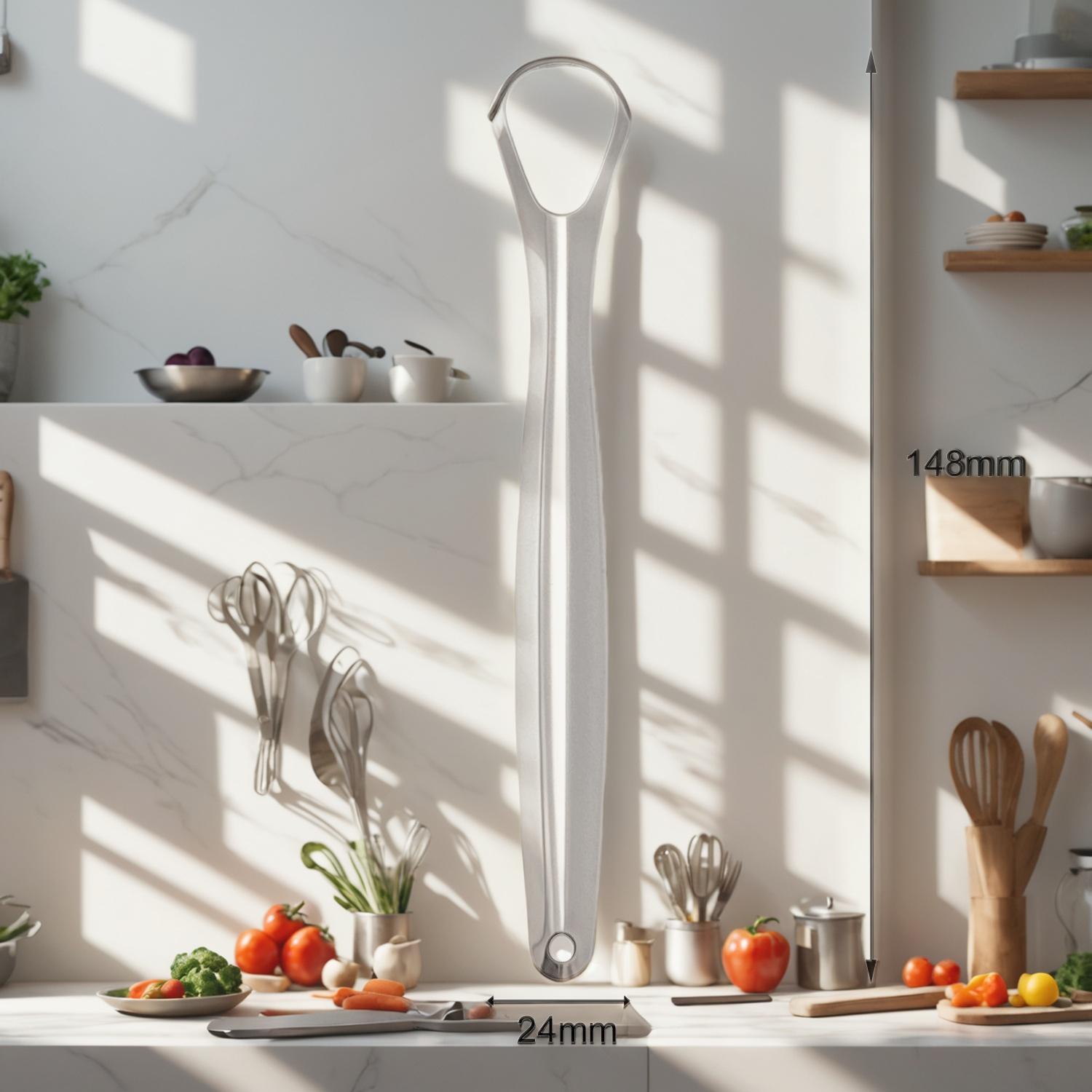
Olimor Beauty’s precision-engineered comedone extractor is crafted from stainless steel and designed with an ergonomic form for comfort and control during use. Its contoured loop is intended to apply targeted pressure, helping users work more precisely while minimizing unnecessary irritation when the tool is used correctly. This combination of material choice, loop shaping, and hand feel is what separates a considered personal care tool from a generic metal implement.
For brands, an extractor also raises important product communication questions. Packaging and instructions should encourage hygienic use, appropriate skin preparation, gentle pressure, and cleaning after use. A well-made tool still requires responsible usage guidance. When brands treat education as part of the product, customers are more likely to understand how to use the tool safely and realistically.
Quality Control Questions That Lead to Better Sourcing Decisions
Quality assurance should be built into the manufacturing process rather than left to a final visual check. Olimor Beauty emphasizes internal quality control across the production flow, including attention from raw material sourcing through final packaging. For buyers, the most useful approach is to translate quality expectations into concrete checkpoints before confirming an order.
| Checkpoint | Why It Matters | What Buyers Can Review |
|---|---|---|
| Material selection | Influences strength, appearance, and product positioning. | Confirm the material is appropriate for the tool type and care instructions. |
| Functional shape | Determines how the tool performs in actual use. | Check loop contour, tip alignment, edge finish, or working surface depending on the product. |
| Surface finish | Affects comfort, perceived quality, and ease of cleaning. | Look for smooth contact areas, consistent polishing, and no unwanted sharp points. |
| Ergonomics | Improves control and reduces hand fatigue during detailed tasks. | Handle samples to assess grip, balance, pressure control, and comfort. |
| Packaging inspection | Protects the product and supports brand presentation. | Review fit, labeling space, product security, and final appearance. |
This type of checklist helps prevent vague purchasing standards. Instead of asking whether a tool is “good quality,” buyers can define what good quality means for a specific item and market.
OEM Personal Care Tools: Aligning Product, Brand, and User Experience
OEM personal care tools require more than manufacturing capacity. A supplier must understand how a tool will represent the customer’s brand once it reaches retail shelves, salon kits, online listings, or gift sets. The physical product, packaging, instructions, and quality consistency all contribute to customer perception.
Olimor Beauty supports OEM personal care tool projects for brands that want customized tools while maintaining attention to performance and reliability. Depending on the project, buyers may need to clarify logo requirements, packaging direction, assortment planning, surface appearance, and functional expectations. A clear brief reduces revision time and helps the manufacturer evaluate what is practical before production begins.
For an OEM project, it is helpful to prepare a concise sourcing brief that includes the target user, product category, preferred material direction, packaging format, order destination, and any functional priorities. For example, a skincare brand launching an extraction tool may prioritize loop smoothness and consumer instructions, while a grooming kit supplier may focus on assortment consistency and compact packaging.
Care, Cleaning, and Product Education for Stainless Steel Tools
Manufacturing quality is only one part of long-term product satisfaction. Customers also need simple care guidance. Stainless steel beauty tools should be cleaned after use and stored in a dry, protective place. For tools that contact the skin, hygiene guidance is especially important. Brands should avoid implying that a tool can replace professional treatment for serious skin concerns, but they can provide clear everyday care instructions.
- Clean the tool before and after use according to the product’s care guidance.
- Use the tool only for its intended personal care purpose.
- Avoid excessive pressure, especially on sensitive or inflamed skin.
- Dry the tool fully before storage to help maintain its appearance.
- Store it separately or in protective packaging to prevent contact damage.
These instructions may seem basic, but they reduce misuse and help customers appreciate the value of a better-made tool. For brand buyers, care information should be considered early because it may affect packaging layout, insert cards, online product pages, and customer service responses.
How to Move From Product Interest to a Clear Supplier Discussion
If you are sourcing from a beauty tools manufacturer, the most productive next step is to define the product in practical terms. Identify the type of tool, how it will be sold, who will use it, and which features matter most to your market. Then review samples against those expectations rather than relying only on catalog descriptions.
Olimor Beauty combines personal care tool manufacturing experience with attention to precision, ergonomic design, stainless steel workmanship, and internal quality checks. Whether you are evaluating a comedone extractor or building a broader private label grooming range, a structured sourcing process will help you select tools that customers can use with confidence.
To discuss OEM personal care tools or compare suitable product options, you can contact Olimor. If you already have a project brief, target category, or packaging idea, you may also send an inquiry so the sourcing conversation can begin with clear product requirements.
Tag: