

How to Choose a Precision Beauty Tools Manufacturer
For beauty brands, salons, retailers, and distributors, the manufacturer behind a grooming tool can shape customer satisfaction as much as the visible design on the shelf. A razor, tweezer, lash tool, manicure tool, or other personal care accessory may look simple, but its performance depends on details that are easy to miss: balance, grip, edge alignment, surface finish, packaging protection, and consistency from one production run to the next.
Working with a capable beauty tools manufacturer is not only about ordering products. It is about finding a production partner that can translate a product idea into a safe, reliable, and comfortable tool for daily use. Olimor Beauty focuses on precision engineering, thoughtful design, internal quality inspection, and responsible production practices for beauty and personal care tools. If you are comparing suppliers or planning an OEM project, the following criteria can help you make a more informed decision.
Why Manufacturer Selection Matters for Beauty Tools
Beauty tools are used close to the skin, eyes, nails, and delicate facial areas. That makes comfort and reliability essential. A poorly balanced tool can feel awkward in the hand. A rough surface can scratch the skin. A blade or edge that is not properly finished can cause irritation. Even packaging matters, because sharp or polished tools need protection during storage and transport.
For a brand, inconsistent tools can also damage trust. Customers often judge a beauty accessory within the first few uses. If the first batch performs well but the second batch feels different, the issue can quickly become a return, review, or repurchase problem. This is why manufacturer evaluation should include design capability, production control, inspection steps, and communication quality rather than price alone.
When reviewing beauty tool products, pay attention to how each item is constructed and finished. The best manufacturing partners can explain why a handle shape, blade angle, polishing process, or packaging format supports the intended use of the tool.
What to Look for in a Beauty Tools Manufacturer
A strong beauty tools manufacturer should combine practical engineering with an understanding of how people actually use grooming tools at home or in professional settings. Attractive appearance is important, but the tool must also feel stable, safe, and intuitive in the hand.
Use the checklist below when comparing manufacturers for razors, personal care tools, or related beauty accessories:
- Ergonomic design thinking: The tool should support control, comfort, and predictable movement, especially when used on small or sensitive areas.
- Consistent finishing: Edges, corners, handles, and contact surfaces should be smooth and appropriate for the product’s function.
- Material and component transparency: Buyers should be able to review the proposed materials, component sources, and finishing options before production decisions are finalized.
- Internal quality control: Inspection should not be limited to the final carton. A responsible manufacturer checks key points from incoming materials through final packaging.
- OEM communication: The supplier should be able to discuss drawings, samples, branding requirements, packaging needs, and performance expectations clearly.
- Ethical production awareness: Modern personal care buyers increasingly expect responsible, cruelty-free beauty tools and clear sourcing decisions.
These points are especially important if you are building a product line rather than purchasing a one-time generic item. A manufacturer that understands the relationship between design, production, and customer use can help reduce avoidable problems before a tool reaches the market.
OEM Personal Care Tool Development: From Concept to Sample
Many brands approach an OEM personal care tools supplier with a visual idea: a slim razor handle, a refined grooming accessory, a compact kit, or a tool that feels more premium than typical retail options. Turning that idea into a manufacturable product requires several decisions.
Start with the intended user. Is the tool designed for daily personal grooming, occasional travel, salon retail, gift packaging, or a private label collection? The usage scenario influences size, grip, protection, packaging, and the level of finishing expected by customers. A facial grooming tool, for example, may require extra attention to control and edge protection, while a kit may require careful layout so each tool remains secure inside the package.
Next, define the non-negotiable product requirements. These may include handle feel, color direction, surface texture, safety features, blade or edge performance, logo placement, and retail packaging format. At this stage, it is better to be specific about user experience than to rely on vague words such as “premium.” Instead of saying the product should feel premium, describe whether it should feel lightweight, balanced, textured, slim, travel-friendly, or easy to hold with wet hands.
Sampling is where many potential issues become visible. A prototype or pre-production sample should be reviewed not only for appearance but also for hand feel, edge quality, packaging fit, and repeatable assembly. Olimor Beauty works with partners on precise engineering and custom solutions so product concepts can be refined into tools that are practical to manufacture and comfortable to use.
Precision, Ergonomics, and the Example of a Well-Made Razor
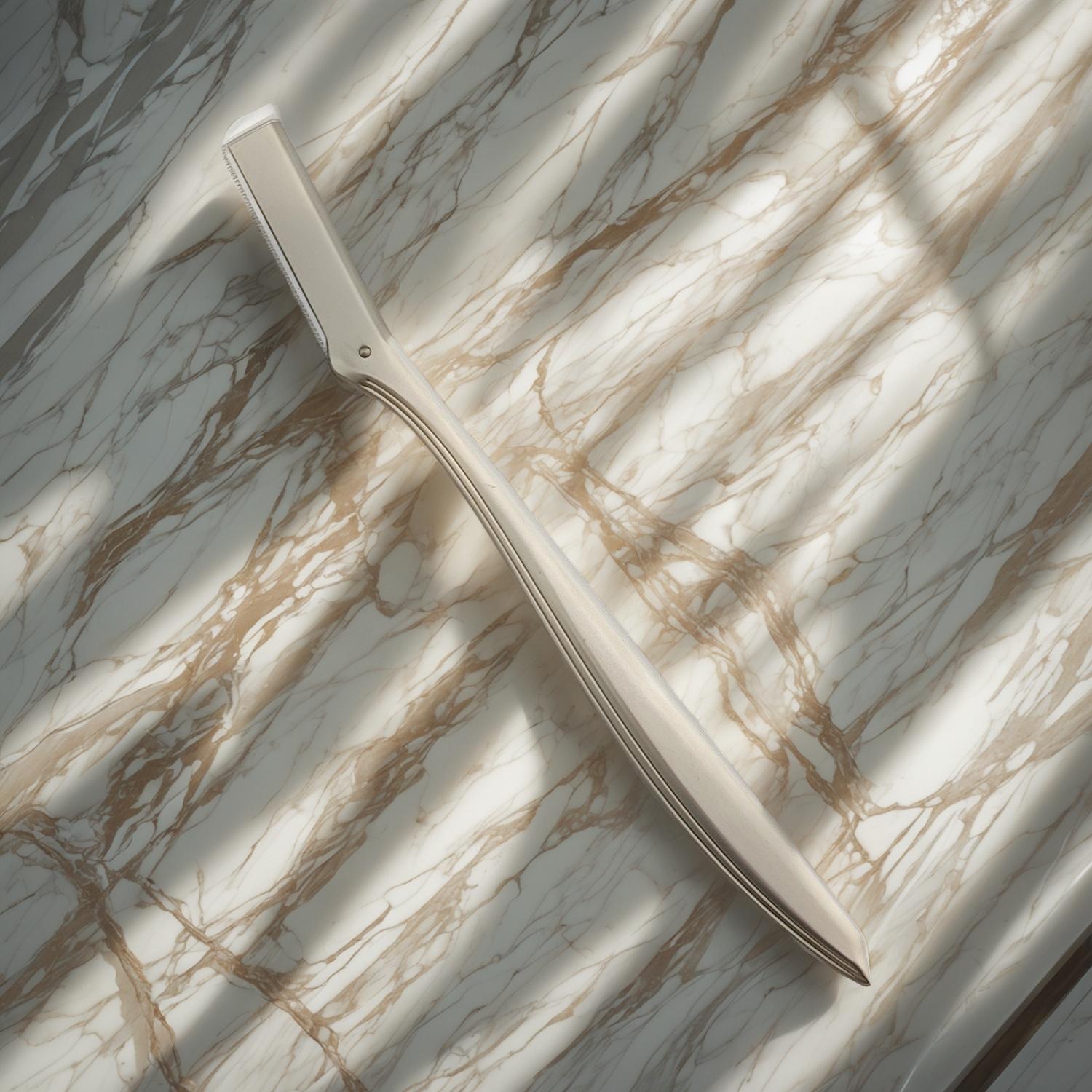
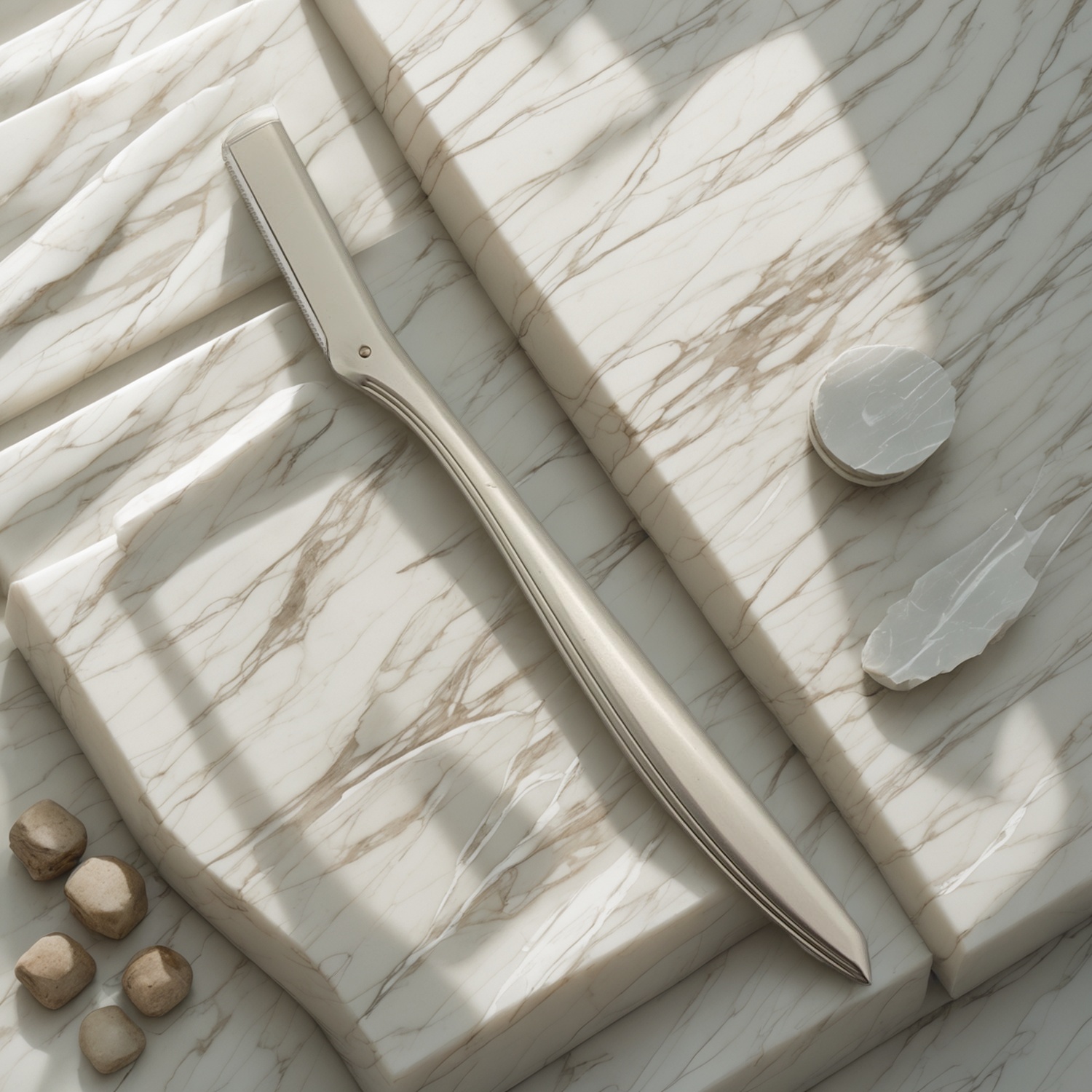
The original promise of a precision beauty tool can be seen clearly in a razor. A razor is a small product, but it requires careful attention to the relationship between handle design, blade position, user control, and skin comfort. A slender ergonomic handle can help users guide the tool with greater accuracy, especially around curved or narrow areas. A properly finished blade area supports a close shave while reducing the risk of avoidable irritation.
For brands evaluating razors or similar grooming tools, the question is not simply whether the tool looks sleek. A buyer should consider how the tool behaves during real use. Does the handle provide enough control? Are there sharp corners where there should not be? Does the blade area feel stable? Is the tool easy to clean or store according to its intended use? Does the packaging protect the product until the customer opens it?
Good design also avoids unnecessary complexity. A beauty tool should not require customers to think too much about how to hold it or how much pressure to apply. The right manufacturer understands that refined engineering often means creating a product that feels natural, balanced, and predictable.
Quality Control Questions Buyers Should Ask
Quality assurance is one of the clearest differences between a basic supplier and a long-term manufacturing partner. A responsible process includes inspection of raw materials, production steps, finishing, assembly, and packaging. For personal care tools, this is especially important because small defects may affect safety, comfort, and customer perception.
The table below can help buyers organize quality discussions before placing an OEM order:
| Evaluation Area | What to Review | Why It Matters |
|---|---|---|
| Material sourcing | Proposed materials, component consistency, and suitability for the tool | Supports durability, appearance, and product reliability |
| Surface finish | Smoothness, polishing, coating, color consistency, and edge treatment | Affects comfort, perceived value, and user safety |
| Functional performance | Grip, control, blade or edge alignment, and intended grooming result | Determines whether the tool performs as expected |
| Packaging protection | Fit, movement inside packaging, sharp-edge protection, and presentation | Reduces damage risk and improves the first customer impression |
| Batch consistency | Inspection standards and comparison to approved samples | Helps maintain the same customer experience over time |
These questions are useful whether you are planning a custom product or selecting from existing product collections. Clear inspection expectations at the beginning of a project make it easier to evaluate samples, approve production, and handle future repeat orders.
Responsible and Cruelty-Free Beauty Tool Expectations
Consumers increasingly care about how beauty products are made, not only how they perform. In the personal care category, responsible production practices and cruelty-free positioning can influence purchase decisions, especially for brands that serve conscious shoppers. Olimor Beauty is committed to responsible production practices and cruelty-free beauty tools, along with internal quality control from material sourcing to final packaging.
For buyers, the practical step is to define what responsible sourcing means for the product line. This may include reviewing material choices, packaging waste, labeling claims, and how the tool will be described in retail channels. Claims should be accurate, supportable, and consistent with the final product. Avoid adding broad marketing statements that cannot be documented or that may vary by market.
Ethical positioning works best when it is connected to real product decisions. A durable, well-made tool can reduce customer frustration and unnecessary replacement. Packaging that protects the tool without excessive material can support a cleaner presentation. Clear care instructions can extend product life and help customers use the item safely.
Maintenance Details That Improve Customer Satisfaction
A manufacturer can help create a good product, but clear customer guidance helps the product perform well after purchase. Beauty tools should be cleaned, dried, and stored according to their function. For razors and tools with sharpened or polished edges, customers should avoid leaving them in damp conditions for long periods. Tools should be stored where edges are protected from impact and where children cannot access them.
Brands can reduce complaints by including simple use and care instructions in packaging or product pages. Instructions do not need to be long. They should explain how to clean the tool, how to dry it, how to store it, and when to replace any component if the product design requires replacement. This is also a good place to include safety warnings relevant to the tool category.
Maintenance guidance is part of product quality because it shapes the customer’s experience after the first use. A precise grooming tool that is cleaned and stored correctly is more likely to maintain its appearance and performance.
Building a Stronger Beauty Tool Line with Olimor Beauty
The right beauty tools manufacturer should help you create products that are attractive, comfortable, reliable, and aligned with your brand’s standards. Look for a supplier that understands both the technical details of manufacturing and the everyday expectations of beauty consumers. Precision does not come from one feature alone; it comes from the combined effect of ergonomic design, careful finishing, quality inspection, responsible sourcing, and clear communication.
Olimor Beauty supports brands seeking OEM personal care tools with a focus on meticulous craftsmanship, custom solutions, and practical product development. Whether you are refining an existing grooming accessory or planning a new private label beauty tool line, prepare your design goals, target user, packaging requirements, and quality expectations before development begins.
To explore suitable options or discuss a custom project, visit Olimor’s beauty tool products or contact Olimor for a focused conversation about your product requirements.
Tag: