

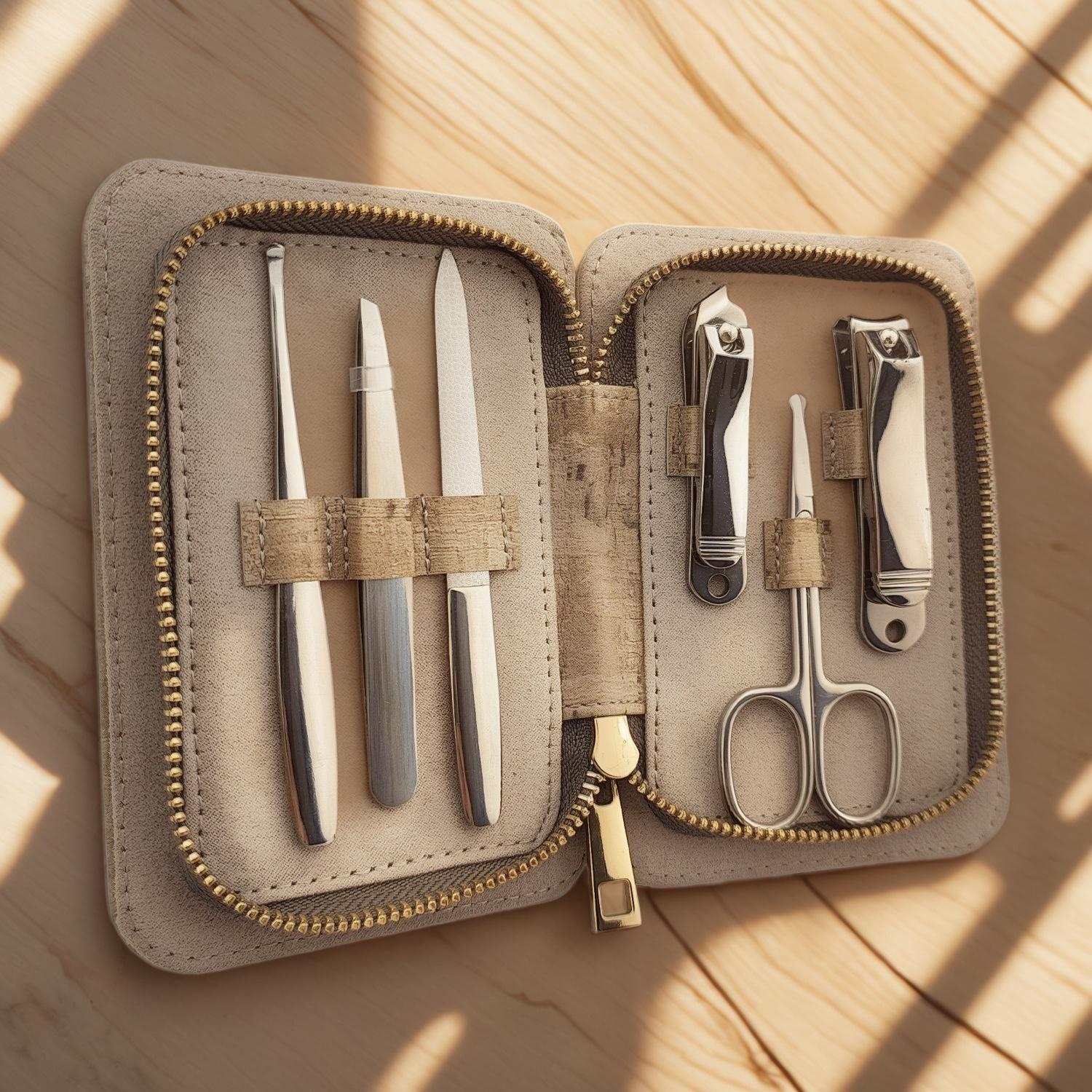
Beauty Tools Manufacturer: How Durability Shapes Better Grooming Products
For retailers, salons, distributors and private label brands, the quality of a grooming tool is judged long after the first sale. A nail clipper that loses alignment, scissors that feel rough in the hand, or a nail file that wears down too quickly can damage customer trust. That is why durability should be treated as a central sourcing requirement, not a final detail.
Olimor Beauty focuses on practical beauty tools used in everyday personal care, including scissors, nail files, nail clippers and cuticle pushers. These products may look simple, but they require careful decisions around material selection, edge finishing, ergonomics, inspection and packaging. When buyers compare beauty tool suppliers, the best choice is often the one that can explain how each tool is designed to perform consistently over repeated use.
This guide outlines what to look for when sourcing durable nail care tools in bulk, especially if you are building a private label product line or expanding an existing grooming assortment.
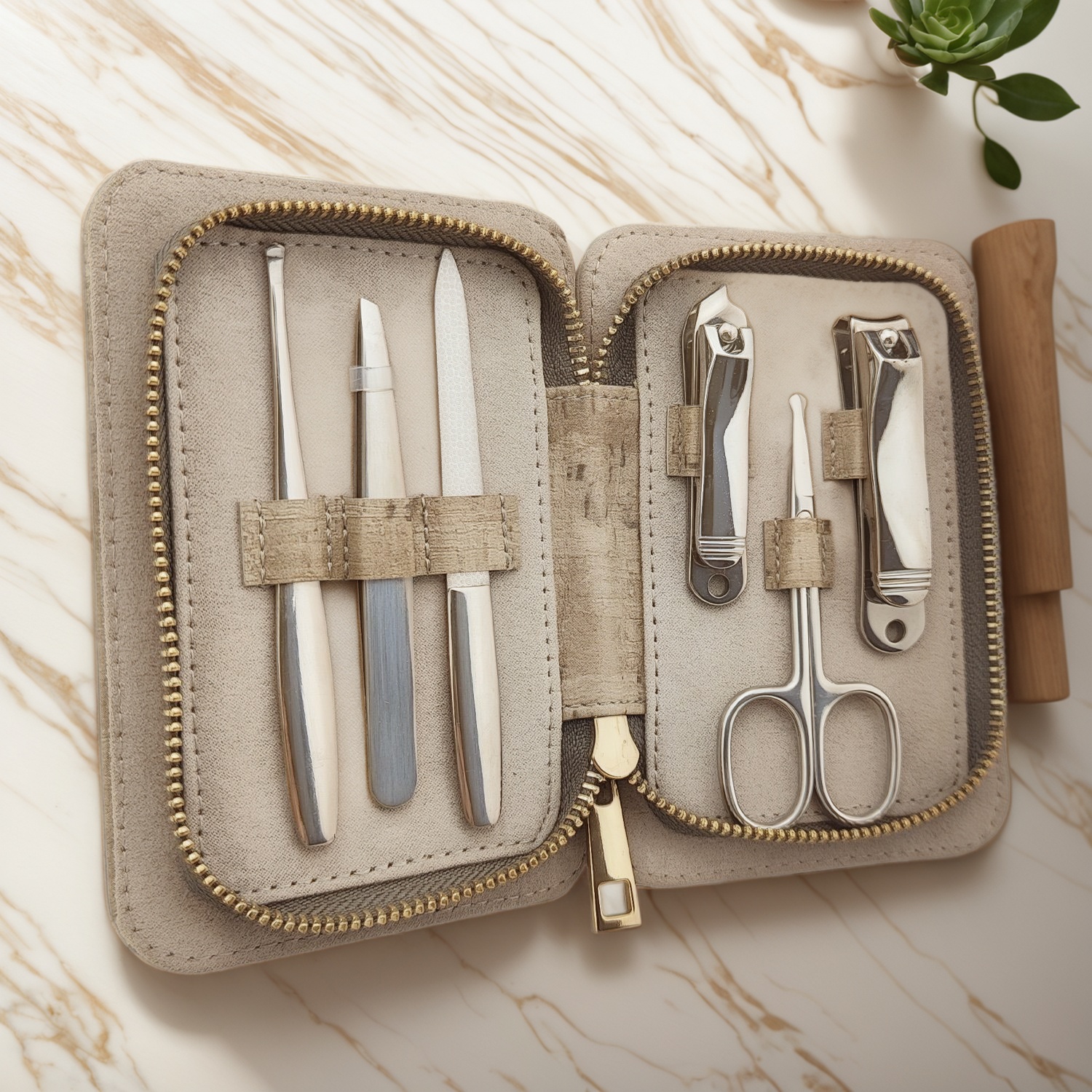
Why Durability Matters in Beauty Tools
Durability in beauty tools is not only about whether a product breaks. It includes how well a tool keeps its function, appearance and comfort through normal use. A nail clipper should maintain clean pressure at the cutting edge. Scissors should open and close smoothly. A cuticle pusher should feel stable without rough burrs. A nail file should have a surface suitable for its intended use and should not feel flimsy in the hand.
For consumer brands, durable products reduce complaints and support repeat purchases. For salons and professional users, reliable tools help maintain a consistent service experience. For distributors, better durability can reduce returns, improve reorder confidence and support stronger retailer relationships.
Beauty tools also have a tactile quality. Customers can feel whether a product is poorly finished. Small issues such as sharp seams, uneven polishing, weak spring tension or uncomfortable grip geometry can make a tool seem low value even if it looks attractive in packaging. A capable beauty tools manufacturer considers these details during production rather than trying to fix them only at final inspection.
Material and Construction Choices Buyers Should Review
The original quality of a grooming tool begins with material selection. Stainless steel is commonly used in many beauty tools because it can provide strength, a clean finish and practical resistance for personal care environments. However, buyers should avoid judging a product by a single material claim. The construction, finishing and consistency of production are just as important.
When reviewing samples, compare how the tool behaves in use. Does a nail clipper cut cleanly or crush the nail? Does a cuticle pusher have a smooth working edge? Do scissors feel balanced, or does the pivot drag? Is the nail file surface consistent from one sample to another? These observations often reveal more than a product photo or a short description.
Key material and construction points include:
- Base material: Confirm whether stainless steel or another material is used for the working parts of the tool.
- Edge finishing: Cutting and pushing surfaces should be clean, controlled and appropriate for personal care use.
- Surface treatment: Polishing should be even, with no obvious rough spots, residue or discoloration.
- Joint and pivot stability: Scissors and clippers should move smoothly without looseness that affects performance.
- Handle comfort: The tool should feel secure in hand, especially for repeated use by salon staff or frequent consumers.
- Batch consistency: Samples should represent the intended bulk order quality, not a specially selected piece.
Private Label Beauty Tools Need More Than a Logo
Private label success depends on a product feeling credible once the customer opens the package. A logo, color choice or box design can support brand identity, but the tool itself must justify the brand promise. For this reason, businesses choosing an OEM personal care tools supplier should review both product quality and production communication.
A strong private label process usually starts with a clear product brief. The brief should define the tool type, target customer, retail channel, packaging expectations and required performance level. A salon-oriented tool may need a different feel from a travel grooming kit. A value retail item may have different packaging and finish priorities than a premium personal care set.
Olimor Beauty supports buyers looking for beauty tool products that can align with brand positioning while maintaining practical grooming performance. If you are comparing options across categories, you can begin with beauty tool products or review broader product collections to understand which tool types may fit your range.
For private label buyers, it is useful to prepare the following before production discussions:
- Define the core product type, such as nail clipper, scissors, nail file or cuticle pusher.
- Identify the intended user, such as home grooming customers, salon users, travel buyers or gift-set shoppers.
- Decide which features are most important: cutting feel, finish, grip, compact size, packaging or assortment value.
- Prepare branding requirements, including logo placement, packaging concept and any labeling needs.
- Review samples under realistic use conditions before confirming a bulk order.
Quality Control Questions for Bulk Nail Care Tools
Bulk orders require consistency. A single attractive sample is not enough if the delivered batch varies in cutting feel, polish quality or packaging condition. Buyers sourcing durable nail care tools bulk should evaluate how a manufacturer controls quality throughout production.
Useful quality control discussion points include incoming material checks, in-process inspection, edge and surface review, assembly checks and final packaging inspection. The goal is to understand where problems are prevented, not only where they are detected.
| Tool type | What to check in samples | Why it matters |
|---|---|---|
| Nail clippers | Blade alignment, cutting pressure, lever movement and finish around edges | Clean cutting and comfortable handling reduce user frustration |
| Scissors | Pivot smoothness, blade meeting point, handle comfort and overall balance | Consistent motion supports precise grooming and longer usability |
| Nail files | Surface evenness, rigidity, edge comfort and grip | A stable file surface helps deliver predictable shaping results |
| Cuticle pushers | Tip shape, smoothness, handle control and absence of burrs | Controlled finishing is important for safe, comfortable personal care use |
Inspection should also include packaging. Beauty tools often pass through several handling stages before reaching the final customer. Scratches, loose packing, poor sealing or unclear labeling can make even a well-made tool seem unreliable. Good packaging protects the product, supports shelf presentation and helps reduce damage during distribution.
How to Compare a Beauty Tools Manufacturer
Choosing a beauty tools manufacturer is not only about the lowest quotation. A practical comparison should include product consistency, communication, category understanding and willingness to clarify production details. The best supplier for a private label program is usually one that understands how small details affect customer satisfaction.
When comparing manufacturers, consider these criteria:
- Category focus: Does the manufacturer understand personal care tools rather than treating them as generic metal items?
- Sample reliability: Do samples reflect the finish, movement and comfort expected in production?
- Documentation clarity: Are product details, packaging requirements and order expectations clearly confirmed?
- Inspection process: Are there checks during production as well as before shipment?
- Design practicality: Can the supplier advise when a feature may affect durability, comfort or cost efficiency?
- Communication speed: Are questions answered clearly enough to support purchasing decisions?
A manufacturer that helps buyers evaluate trade-offs can be more valuable than one that simply says yes to every request. For example, a buyer may want a very slim handle, a mirrored surface or a special package format. Each decision can affect comfort, scratch visibility, production handling or shipping protection. Clear discussion early in the process helps avoid disappointment later.
Maintenance Guidance That Adds Value for End Users
Durability also depends on how tools are used and maintained after purchase. Brands can improve customer satisfaction by including simple care guidance in packaging inserts, product pages or retail training materials. These instructions should be realistic and easy to follow.
For many grooming tools, useful maintenance guidance may include keeping tools dry after use, storing sharp or pointed items safely, avoiding unnecessary drops, wiping surfaces after contact with cosmetic residue, and keeping moving parts free from debris. Scissors and clippers should not be forced through materials they are not designed to cut. Nail files should be stored where the abrasive surface will not be crushed or contaminated.
Care instructions are especially important for private label brands because they reinforce product value. A durable tool performs best when the user understands basic handling. Clear after-use guidance can reduce preventable complaints and help the product feel more professional.
Building a Reliable Beauty Tool Range With Olimor Beauty
A well-planned beauty tool range should balance appearance, comfort, durability and pricing goals. The right assortment may include core daily-use items such as nail clippers and nail files, more precise grooming tools such as scissors and cuticle pushers, or coordinated products intended for gift sets and retail displays. The strongest ranges are built around a clear customer need rather than a random mix of items.
Olimor Beauty works with buyers who need practical grooming products supported by attention to materials, production checks and final finish. Whether you are developing a private label line or sourcing durable tools for wholesale distribution, the evaluation process should begin with real product requirements: who will use the tool, how often it will be used, what level of finish is expected and how the product should be presented in the market.
If you are preparing a new project, share your tool category, target channel and packaging expectations so the discussion can focus on suitable options. You can send an inquiry for sourcing questions or contact Olimor to discuss how a beauty tools manufacturer can support your next grooming product order.
Tag: