

Beauty Tools Manufacturer Guide for Precision OEM Personal Care Tools
For beauty brands, retailers and private-label teams, the difference between an ordinary accessory and a reliable beauty tool often comes down to precision. A tool may look simple from the outside, but its real value is found in small details: how it fits the hand, whether it works smoothly, whether the finish is consistent and whether repeated use still feels comfortable. When you are sourcing from a beauty tools manufacturer, these details directly influence customer reviews, repeat purchases and brand trust.
Olimor Beauty works in the beauty tools and personal care tools category with attention to function, appearance and manufacturing control. For buyers developing a new tool range or improving an existing assortment, the goal is not only to find a product that looks attractive in a catalog. The stronger approach is to define how the tool should perform, how it should feel in daily use and what quality points should be checked before production moves forward.
What a Beauty Tools Manufacturer Should Help You Solve
A capable manufacturing partner should help translate a commercial idea into a tool that can be produced consistently. Beauty tools are used close to the eyes, face, nails or skin, so poor shaping, rough edges, weak mechanisms or inconsistent pads can quickly create dissatisfaction. For a brand, even a small defect rate can become a customer service problem.
When reviewing potential suppliers, focus on practical manufacturing questions. Can the factory explain the steps used to control shape, finish and assembly? Are samples evaluated not only for appearance but also for comfort and repeat usability? Is the packaging selected to protect the product during shipping and present it clearly at retail or in e-commerce? These questions are more useful than relying on broad claims about quality.
Olimor Beauty presents itself as an OEM personal care tools supplier for brands that need custom beauty solutions. In an OEM project, communication is especially important because the final product should reflect the buyer’s expectations for appearance, ergonomics and user experience. You can explore more product categories through Olimor’s beauty tool products when planning a wider assortment.
Precision Starts with Ergonomics and Daily Use
Many beauty tools succeed because they are easy to control. A precise tool does not force the user to guess where to place pressure or how to hold it. Instead, the design naturally supports the hand and helps create a consistent result. For items such as eyelash curlers, tweezers, nail tools and facial accessories, ergonomic design can affect both safety and satisfaction.
For buyers, ergonomic review should include more than a quick visual check. A sample should be held and used by different people, including users with different hand sizes and different levels of beauty-tool experience. Look for balance, grip security, finger comfort and the amount of pressure needed for the tool to work. A tool that requires too much force may feel uncomfortable, while one that feels loose or unstable may not give users confidence.
- Grip: The user should be able to hold the tool securely without slipping during normal use.
- Control: The working part of the tool should align naturally with the area being treated, such as lashes or brows.
- Comfort: Edges, handles and contact points should not feel sharp, cramped or awkward.
- Repeatability: The tool should deliver a similar result after repeated use, not only during a first sample check.
- Storage and portability: Consider whether the tool will be used at home, in salons, in travel kits or as part of a retail gift set.
Product Example: Lux Curl Eyelash Curler
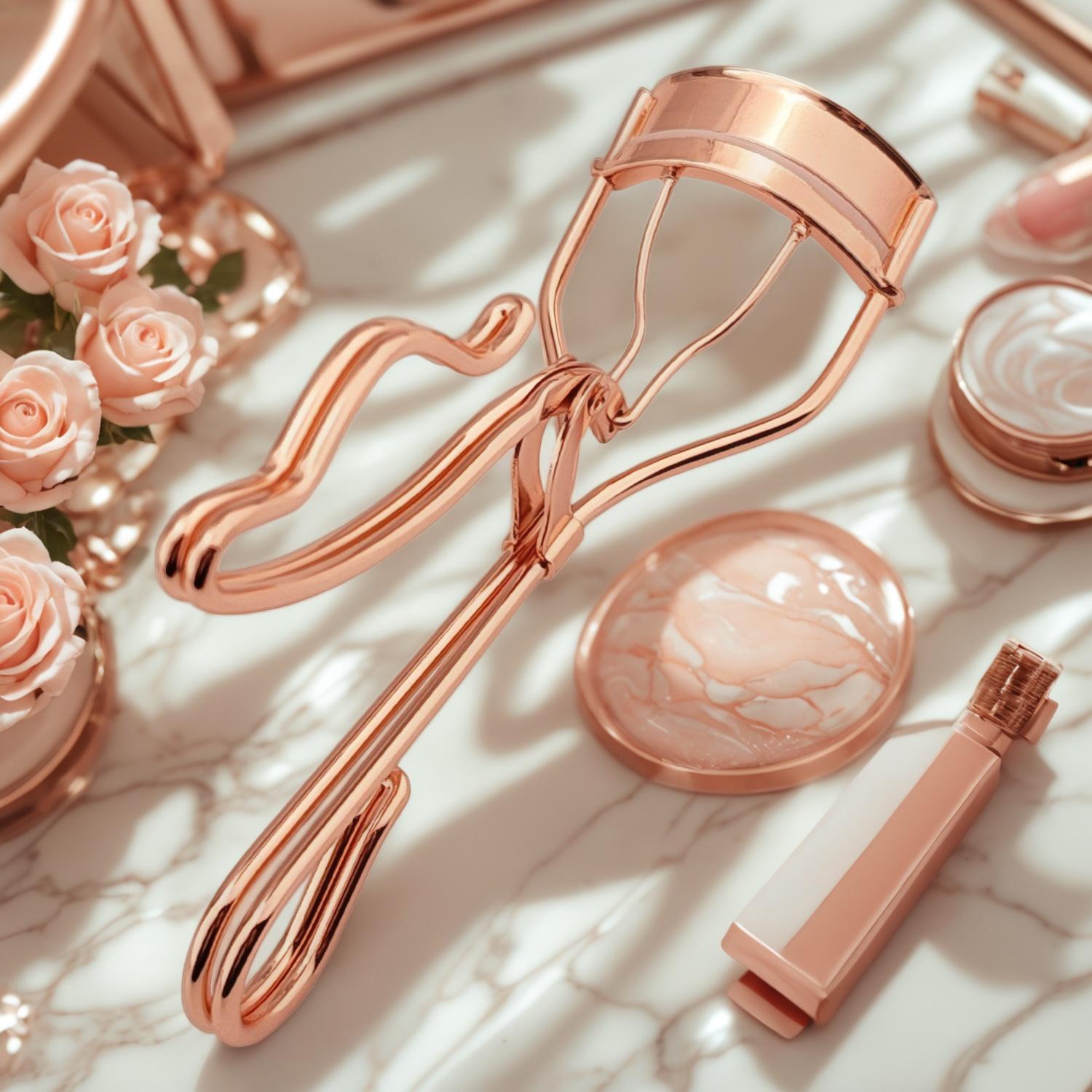
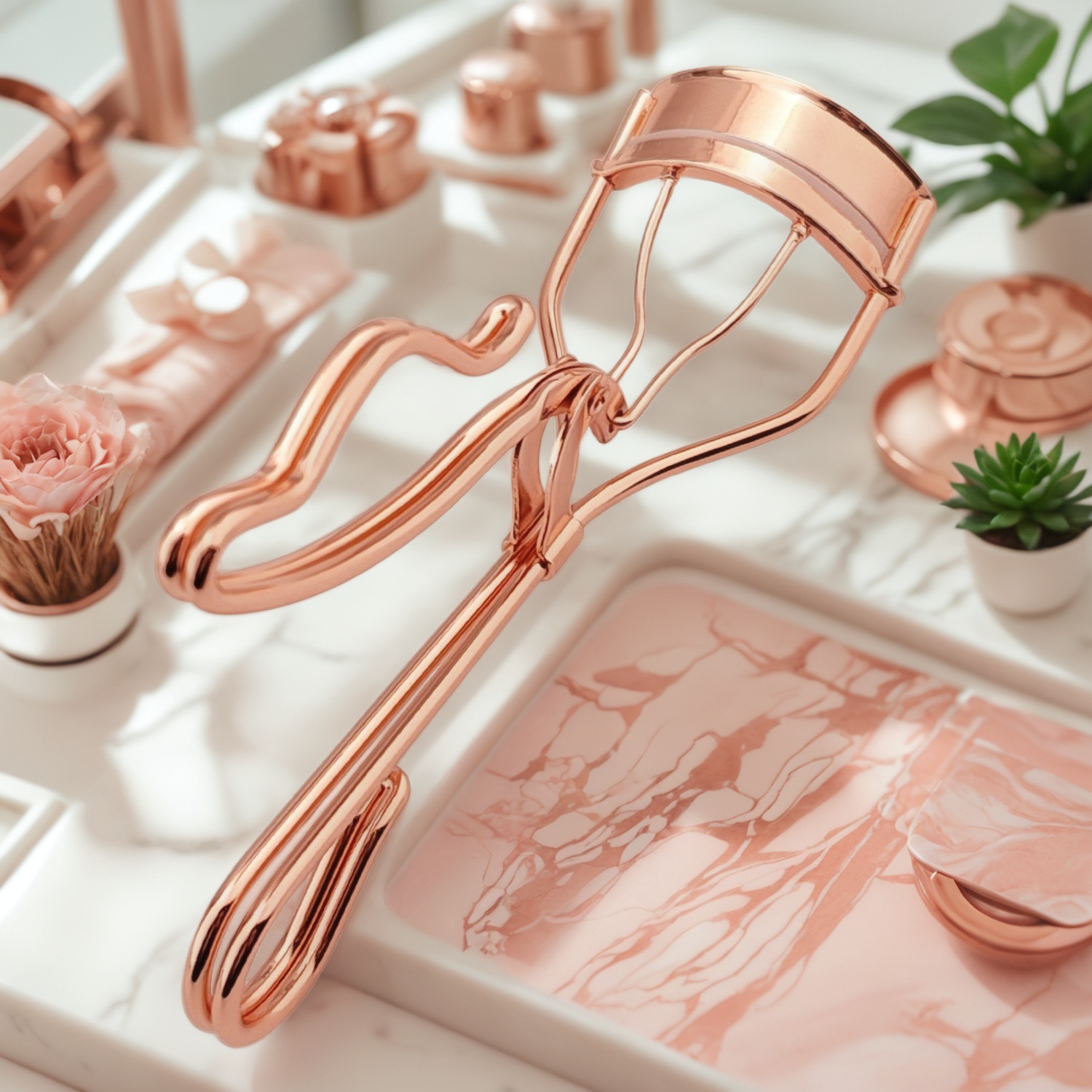
The Lux Curl Eyelash Curler is a useful example of how specific features can support both performance and presentation. The original product information describes a rose gold finish, durable metal construction, a gentle curve, a slip-resistant grip and a soft silicone pad. These are not decorative details only; each one has a practical role in the user experience.
The gentle curve is important because eyelash curlers must fit the eye area comfortably. A shape that feels too flat or too aggressive can reduce control or create discomfort. The slip-resistant grip supports steadier handling, especially when the user is positioning the curler close to the lash line. The soft silicone pad helps cushion the lashes during curling and is intended to support lift without pinching or crimping when used properly.
The rose gold finish also matters for brand positioning. Beauty tools often sit on vanities, appear in social content and are sold in sets, so appearance can influence perceived value. However, finish should never be considered separately from function. A tool may look premium, but if the hinge feels uneven, the grip is uncomfortable or the pad does not sit correctly, the customer experience will suffer.
Quality Checkpoints Before Production Approval
For an OEM personal care tools project, samples should be assessed systematically. A structured checklist helps prevent decisions based only on first impressions. Before confirming a design, buyers can create a simple review process covering appearance, function, assembly and packaging protection.
| Checkpoint | What to Review | Why It Matters |
|---|---|---|
| Shape and alignment | Curves, contact points, symmetry and moving parts | Improves comfort and helps the tool perform consistently |
| Surface finish | Color consistency, smoothness and visible marks | Protects perceived quality and supports retail presentation |
| Grip and handling | Finger placement, slip resistance and pressure control | Reduces user frustration and supports precise use |
| Pad or contact material | Fit, softness and placement where applicable | Important for tools that touch lashes, skin or nails |
| Packaging fit | Product movement, protection and display clarity | Helps reduce damage and improves the unboxing experience |
This type of checklist is especially helpful when several team members are involved in product development. Marketing may focus on appearance, while sourcing may focus on manufacturability and cost control. A shared checklist keeps the discussion grounded in the end user’s experience.
OEM Sourcing Decisions for Beauty Brands
Choosing a personal care tools manufacturer in Asia or any other production region should involve more than comparing product photos. The right supplier should be able to support clear communication, sample development and internal quality controls from materials through final packaging. Olimor Beauty’s existing article information emphasizes precise manufacturing steps, stringent quality checks and inspection from raw material sourcing to final packaging. These are important sourcing themes for buyers to consider in any beauty-tool project.
When preparing an OEM request, it is helpful to define the market position of the tool first. Is the product intended for a professional-looking retail line, a travel kit, a starter beauty set or a premium accessory range? The answer affects decisions about finish, packaging, handle feel and acceptable tolerance. If the product will sit alongside other accessories, review Olimor’s product collections to think about how shape, color and function can work together across a broader range.
Buyers should also prepare reference samples or clear product expectations when possible. This does not mean copying another brand’s product. Instead, reference samples help communicate size, weight, finish direction and user feel. The supplier can then discuss what is practical for manufacturing and what should be adjusted for comfort, durability or consistency.
Packaging, Brand Presentation and User Confidence
Packaging is often the first physical interaction a customer has with a beauty tool. For an eyelash curler or similar personal care accessory, packaging should protect the product from scratches, pressure and movement while also making the product easy to understand. The customer should quickly see what the tool is, how it should be handled and why it belongs in the routine.
For online sales, packaging protection becomes even more important because products may pass through multiple shipping stages. For retail shelves, visibility and neat presentation may carry more weight. For gift sets, the internal fit and visual arrangement are part of the perceived value. These packaging priorities should be discussed early, not added at the end of production planning.
Instructional clarity is another useful detail. Beauty tools that are used near delicate areas benefit from simple, responsible usage guidance. Even when the tool is familiar, clear packaging language can reduce misuse and improve satisfaction. Avoid overpromising results; instead, focus on correct use, comfort and care.
Care and Maintenance Points Worth Considering
Maintenance expectations should be considered during product development because they affect long-term customer satisfaction. For tools with pads, moving parts or polished finishes, the user should be able to keep the item clean and functional with reasonable care. Buyers can review whether the tool is easy to wipe clean, whether dirt can collect in hard-to-reach areas and whether the packaging should include basic care suggestions.
- Check whether the tool can be cleaned without damaging the finish under normal use conditions.
- Review moving parts for smooth action during sample testing.
- Confirm that pads or contact points sit securely and evenly where applicable.
- Assess whether the finish is likely to show fingerprints, scratches or handling marks in retail conditions.
- Consider whether replacement or accessory components are relevant to the selling plan.
These points do not require complex language, but they do require attention. A beauty tool that performs well on day one but becomes difficult to clean or uncomfortable over time may weaken brand reputation. Good maintenance planning supports better reviews and fewer complaints.
Building a More Reliable Beauty Tool Line
A strong beauty tool line is built on a series of practical choices: accurate shaping, comfortable handling, dependable assembly, attractive finishing and packaging that protects the product. The Lux Curl Eyelash Curler shows how features such as a rose gold finish, durable metal body, gentle curve, slip-resistant grip and soft silicone pad can work together to create a more considered user experience.
For brands developing OEM personal care tools, the best results come from treating beauty accessories as engineered products, not simple add-ons. Define the intended user, test samples carefully and review each detail from raw material sourcing through final packaging. To discuss a custom beauty tools project or clarify sourcing options, you can contact Olimor or send an inquiry with your product requirements.
Tag: