

Beauty Tools Manufacturer for Practical Stainless Steel Personal Care Tools
Choosing a beauty tools manufacturer is not only a question of appearance. For beauty brands, retailers, importers and private-label buyers, the more important question is whether a tool can be produced consistently, feel comfortable in the hand, withstand repeated use and arrive with dependable quality. Olimor Beauty focuses on personal care tools designed around those priorities: precise production, clean finishing, ergonomic handling and practical use cases for modern grooming routines.
The beauty tools category is highly competitive because many products look similar at first glance. A stainless steel tool with a polished surface may appear attractive in photos, but buyers also need to consider edge consistency, grip comfort, corrosion resistance, inspection standards and packaging suitability. The right manufacturing partner helps translate a product concept into a tool that is usable, durable and commercially realistic.
What Buyers Should Expect from a Beauty Tools Manufacturer
A capable beauty tools manufacturer should be able to support both product function and product presentation. In personal care, a tool may be small, but the tolerance for user discomfort is low. Rough edges, weak finishing, poor balance or inconsistent shaping can quickly affect customer reviews and repeat purchases.
For stainless steel beauty tools, the first priority is the physical reliability of the item. Stainless steel is widely used because it can provide strength, a clean surface and resistance to corrosion when properly produced and finished. However, material choice alone is not enough. The forming, polishing and inspection process determines whether the final tool feels refined or unfinished.
Olimor Beauty emphasizes careful production processes and quality assessments for personal care tools. This matters for buyers who need repeatable quality across purchase orders, not just a good sample. A sample can be hand-selected; a production run must be controlled. When evaluating any manufacturer, buyers should look at how the company manages raw material assessment, in-process checks and final inspection before shipment.
Why Stainless Steel Remains a Strong Choice for Personal Care Tools
Many personal care tools are handled frequently, stored in bathrooms, packed in travel pouches and cleaned between uses. These conditions create a demanding environment. Stainless steel is a practical material for tools because it can combine a smooth surface, structural stability and a professional appearance. The original appeal of stainless steel beauty tools is not simply shine; it is the balance between hygiene-friendly handling and long-term durability.
For brands and sourcing teams, stainless steel also supports a broad range of product styles. It can be used for minimalist tools, salon-inspired items, travel accessories and multi-use designs. The finish can influence how customers perceive quality, but it must be matched with practical details such as grip shape, safe handling and consistent edges.
When reviewing stainless steel personal care tools, consider the following selection points:
- Surface finish: The tool should feel smooth without visible burrs, sharp unintended edges or uneven polishing marks.
- Grip comfort: The shape should support secure handling, especially when used with damp hands or during precise grooming tasks.
- Corrosion resistance: A corrosion-resistant finish is valuable for tools likely to be used or stored near moisture.
- Weight and balance: A tool that is too light may feel flimsy, while one that is too heavy may reduce control during detailed use.
- Cleaning practicality: Simple shapes and accessible surfaces usually make routine cleaning easier for end users.
Multi-Use Tool Design: Versatility Without Confusion
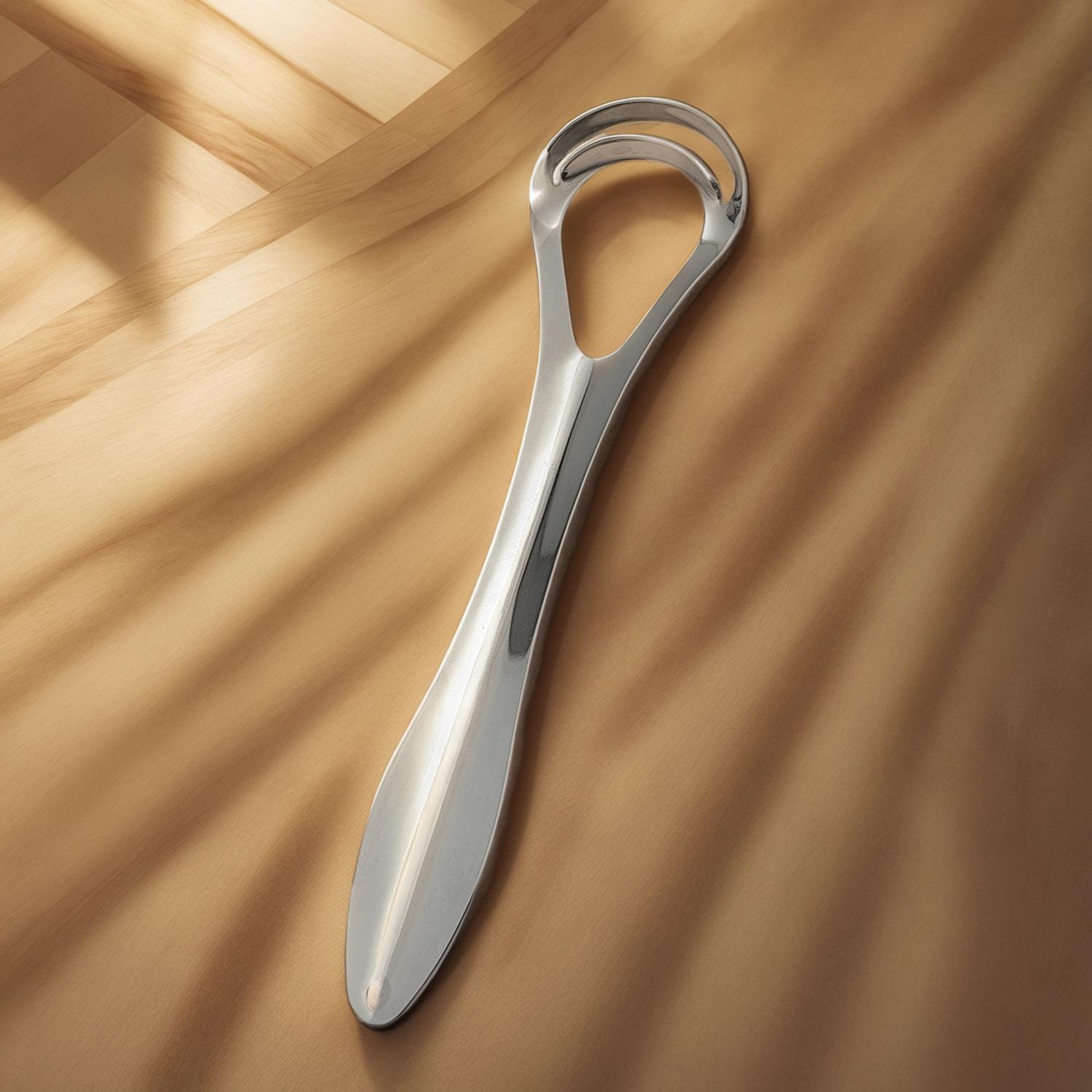
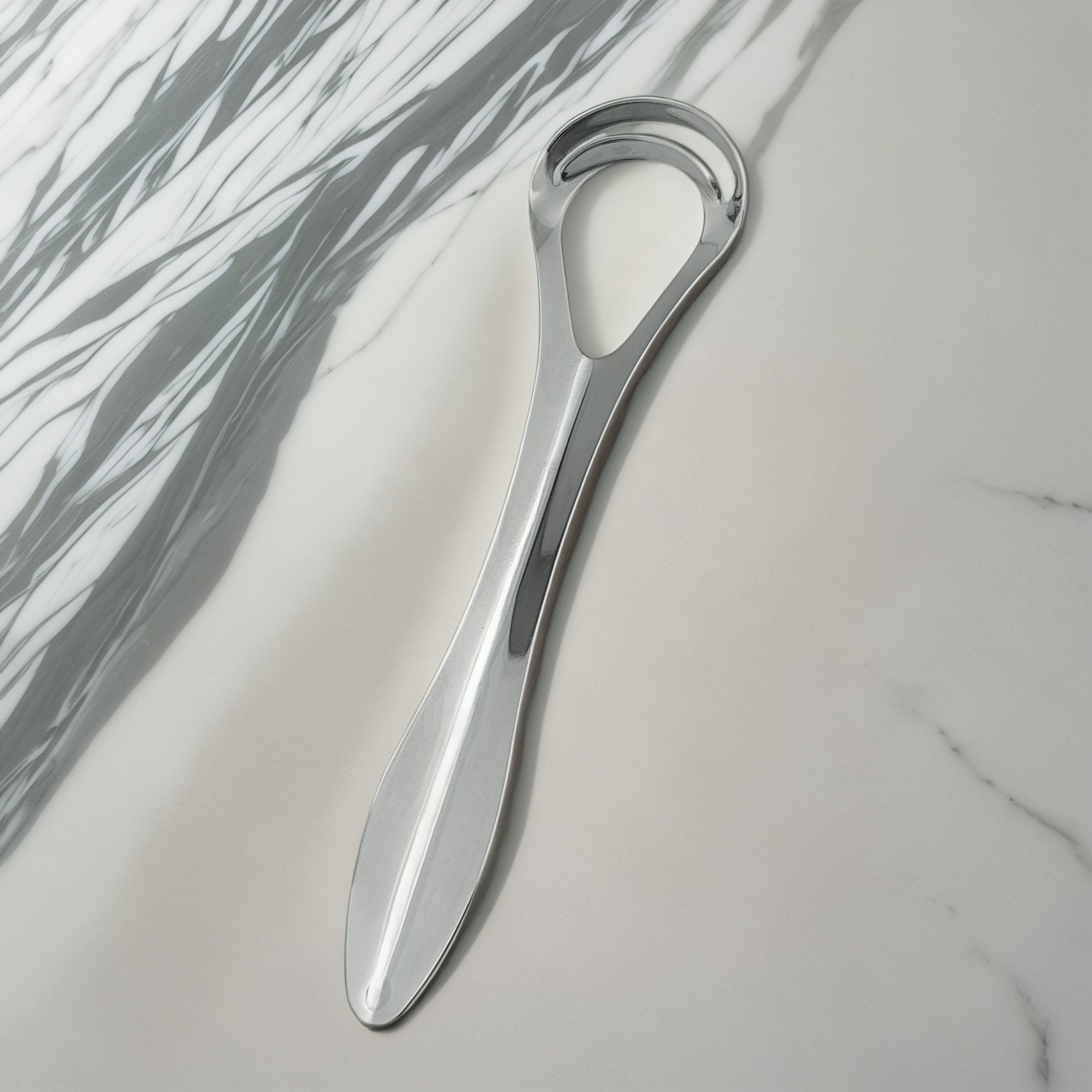
Olimor Beauty highlights a latest Multi-Use Tool designed for modern, minimalist lifestyles. For product buyers, multi-use design can be attractive because it supports compact kits, travel products, gift sets and retail displays with a clear value proposition. However, a multi-use tool must be designed carefully. If it attempts too many tasks without enough precision, it can become less useful than a simpler dedicated tool.
A well-considered multi-use beauty tool should make its functions intuitive. Users should be able to understand how to hold it, where to apply pressure and how to clean it after use. Ergonomic contouring is especially important because different functions may require different hand positions. A comfortable grip helps reduce slipping and improves control, which is essential for personal care applications.
For brands building a compact grooming line, multi-use tools can be positioned in several ways: as an everyday item, as a travel-friendly accessory, as part of a starter set or as an add-on for a broader personal care collection. The decision should depend on the target customer. A minimalist consumer may prefer one well-made tool with a refined finish, while a professional-style kit may require multiple specialized tools with consistent design language.
Buyers exploring related categories can review Olimor beauty tool products to compare product formats and understand how different tools may fit into a personal care assortment.
Ergonomics and User Experience Matter More Than Decoration
In beauty tools, attractive design helps with retail appeal, but comfort determines whether the customer keeps using the product. Ergonomics should be evaluated with real handling rather than only product renderings. A tool may look sleek in a catalog but become awkward when used for detailed grooming.
Key ergonomic questions include: Does the tool sit naturally in the fingers? Is there enough control for delicate movements? Are edges finished so they do not create discomfort? Is the surface too slippery? Does the shape support both right-handed and left-handed use where relevant? These practical questions can reveal weaknesses before a product reaches the market.
For OEM personal care tools, ergonomics also affects brand reputation. A buyer may invest in packaging, visual identity and online advertising, but customer satisfaction still depends on the product experience. Tools that feel stable and comfortable are easier to recommend, easier to gift and more likely to encourage repeat purchases from the same brand.
Quality Control Questions for OEM Personal Care Tool Sourcing
When sourcing from a personal care tools manufacturer in Asia or any other region, quality control should be discussed early. The goal is not to create unnecessary complexity; it is to define what acceptable quality means before production. Clear expectations reduce misunderstandings and help both sides evaluate the same standard.
The following checklist can help buyers organize supplier discussions and internal approvals:
- Material confirmation: Clarify the stainless steel material expectations and any finish requirements for the intended product.
- Sample review: Inspect sample edges, surface finish, hand feel, grip comfort and overall consistency before approving production.
- Function evaluation: Test the tool for its intended personal care use, including how it performs during repeated handling.
- Inspection criteria: Define visual defects, dimensional concerns, packaging condition and any performance points to be checked.
- Packaging compatibility: Confirm that the tool fits securely in the planned pouch, box, tray or retail packaging format.
- Cleaning and care guidance: Prepare end-user instructions that match the tool type and finish without overpromising performance.
This type of checklist is useful because it turns a broad claim such as “good quality” into observable points. It also helps brands compare suppliers more fairly, especially when reviewing samples from multiple manufacturers.
How Retailers and Brands Can Build a More Coherent Tool Range
Beauty tool sourcing is often more successful when products are selected as part of a coherent range rather than as isolated items. A stainless steel multi-use tool may be a strong hero product, but it should still connect logically with other tools in the assortment. Similar finish quality, compatible packaging and consistent product descriptions can make a line feel more professional.
For example, a brand may build a personal care range around compact grooming, travel convenience or everyday precision tools. The chosen theme should guide decisions on size, finish, packaging and instructions. If a product is meant for on-the-go use, secure packaging and easy cleaning become more important. If it is positioned for home grooming, comfort and durability may be the leading features.
Olimor Beauty supports buyers looking for personal care tools that combine practical manufacturing concerns with refined presentation. To explore categories and plan a broader assortment, buyers can visit Olimor product collections.
Care and Maintenance Guidance for End Users
Even a well-made stainless steel beauty tool benefits from proper care. Brands should include simple, realistic maintenance guidance for customers, especially for tools used frequently or stored in humid environments. Clear instructions reduce misuse and help customers understand how to keep the product in good condition.
Useful care guidance may include wiping the tool dry after cleaning, storing it in a clean pouch or case, avoiding prolonged exposure to moisture and checking the tool regularly for any signs of damage. For multi-use tools, instructions should also explain safe handling for each intended function. The guidance should be concise but specific enough to prevent confusion.
Maintenance information also supports customer trust. When a brand explains how to care for a tool, it signals that the product is meant for repeated use rather than one-time novelty. This is especially important for stainless steel personal care tools, where durability and cleanliness are part of the buying decision.
Choosing Olimor Beauty for Beauty Tool Manufacturing
For buyers seeking an OEM personal care tools supplier, Olimor Beauty offers a manufacturing perspective centered on quality assessment, functional design and stainless steel tool production. The company’s focus on ergonomic features, corrosion-resistant finishing and final inspection supports the needs of brands that want dependable personal care tools for retail, online sales or custom programs.
The best sourcing outcome begins with a clear product brief: intended use, target customer, preferred finish, packaging direction and quality expectations. With that foundation, it becomes easier to evaluate whether a multi-use tool, compact grooming item or broader stainless steel range is the right fit.
Brands, importers and retailers comparing beauty tool options can contact Olimor to discuss product direction or send an inquiry with sourcing requirements. A practical conversation about design, handling, inspection and packaging will do more for long-term product success than choosing a tool based on appearance alone.
Tag: