

Beauty Scissors in Bulk: How to Source Reliable Grooming and Craft Tools
Buying beauty scissors in bulk is not only about getting a lower unit cost. For salons, beauty retailers, grooming brands, nail and brow studios, gift-set sellers, and craft-focused businesses, scissors are everyday tools that influence customer satisfaction, staff efficiency, and repeat purchasing. A well-selected pair should feel stable in the hand, cut cleanly for its intended task, and arrive in consistent condition across the full order.
Because beauty scissors can be used in different settings, the right sourcing approach starts with the exact use case. A tool designed for delicate trimming or embroidery-style detail work is not evaluated in the same way as heavy-duty shears or disposable add-on accessories. This guide explains how to assess beauty scissors for bulk purchasing, what to check before committing to a large order, and how to communicate requirements clearly with a beauty tools supplier.
Who Benefits from Buying Beauty Scissors in Bulk?
Bulk purchasing makes sense when scissors are part of a repeatable operation or a sellable product range. A salon group may need consistent tools for multiple branches. A distributor may need compact scissors for grooming kits. A private-label beauty business may include scissors in eyebrow, manicure, or travel sets. Craft stores and sewing-related retailers may look for decorative scissors that work well for fine trimming and display attractively in packaging.
For these buyers, consistency is more important than a single impressive sample. The bulk order should reflect the same finish, opening and closing feel, blade alignment, and packaging standard across cartons. Even small differences can create customer service issues when the product is sold under a retail brand or used by staff every day.
Olimor Beauty offers beauty tool options for professional and retail buyers, and businesses can review broader categories through beauty tool products or compare suitable ranges in product collections. When beauty scissors are part of a larger kit, it is useful to evaluate them together with tweezers, nail tools, facial tools, or grooming accessories so the final set feels coherent.
Match the Scissors to the Intended Use
The term “beauty scissors” can cover several applications, so defining the task is the first sourcing decision. A scissor used for eyebrow trimming must support controlled, short cuts. A small decorative scissor used for embroidery or craft work should allow precision on thread, paper details, or light materials. A grooming kit scissor may need a compact size and protective packaging because it is stored with other tools.
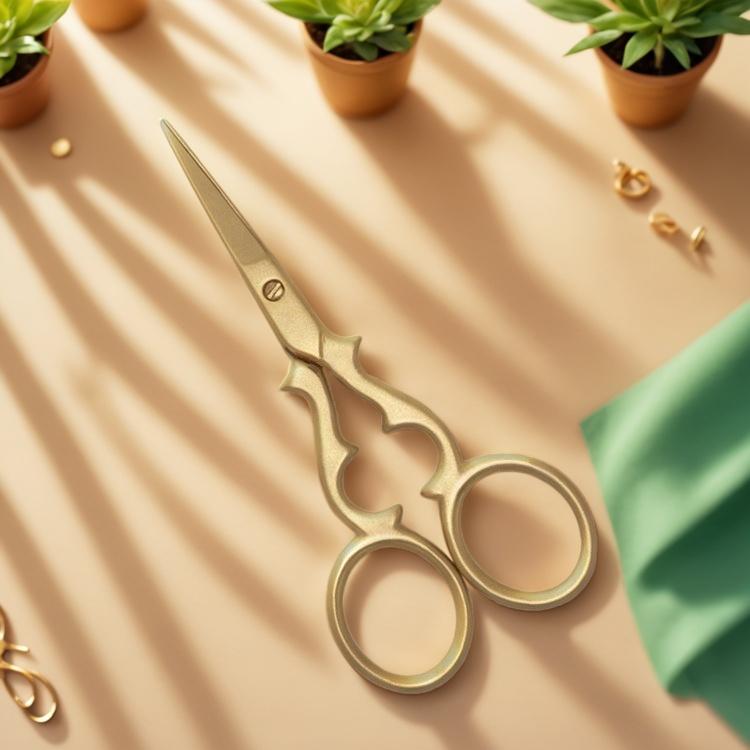
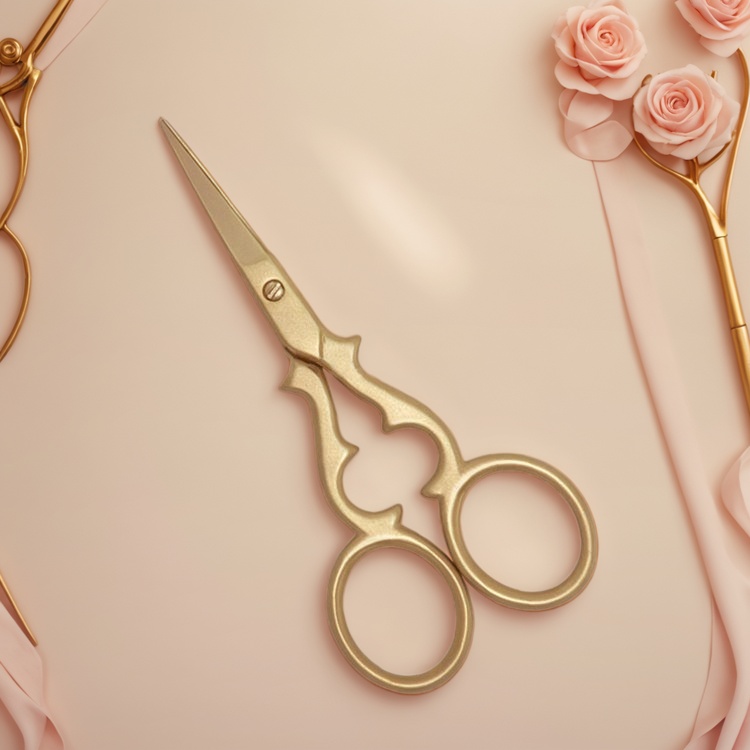
The original product reference includes Gold-Plated Embroidery Scissors, which points to a tool where appearance and precision both matter. For this type of item, buyers should look beyond the surface finish and consider how the design supports delicate work. Decorative scissors often attract customers visually, but repeat satisfaction depends on alignment, tip control, and smooth movement.
- Salon and brow services: prioritize control, tip accuracy, and easy cleaning between uses.
- Retail grooming kits: prioritize safe packaging, compact dimensions, and consistent presentation.
- Craft and embroidery sellers: prioritize sharp tips, clean detail cutting, and decorative appeal.
- Gift sets: prioritize visual consistency, packaging compatibility, and a finish that matches the rest of the set.
- Distributor stock: prioritize clear product classification, reorder consistency, and carton-level protection.
Quality Checks Before Confirming a Bulk Order
A beauty scissor may look simple, but several details determine whether it performs reliably. Bulk buyers should create a checklist that can be used on samples, pre-production references, and incoming goods. The goal is not to overcomplicate the purchase; it is to prevent problems that are expensive to correct after shipment.
| Check Area | What to Look For | Why It Matters |
|---|---|---|
| Blade alignment | Tips meet evenly and blades close without visible twisting | Helps produce clean, controlled cuts |
| Cutting feel | Smooth opening and closing, without grinding or looseness | Improves comfort and reduces user frustration |
| Tip finish | Evenly shaped tips with no rough burrs | Important for grooming safety and delicate craft work |
| Surface finish | Consistent color, clean plating or coating appearance, no obvious marks | Supports retail presentation and brand perception |
| Packaging fit | Scissors held securely with blades protected | Reduces damage during storage and transport |
| Batch consistency | Samples from different cartons match the approved reference | Protects the buyer from mixed-quality inventory |
For buyers comparing suppliers, it is helpful to keep a physical approved sample and written notes. Photos are useful, but they do not fully capture cutting resistance, blade tension, or the feel of the handle. If your team has multiple stakeholders, such as purchasing, quality control, and retail merchandising, each should review the sample from their own perspective.
How to Evaluate a Beauty Tools Supplier in China
China has a large supplier base for beauty tools, which gives buyers many options in style, price positioning, and packaging formats. The challenge is narrowing those options to suppliers who understand the product category and can support repeat business. A good supplier conversation should move beyond a basic quotation and into product suitability, quality expectations, and shipment preparation.
When comparing a beauty tools supplier in China, focus on clarity. The supplier should be able to confirm which scissor type is suitable for your market, what packaging options are practical, how samples are reviewed, and what information is needed to prepare the order correctly. If you plan to combine scissors with other grooming tools, explain the full kit concept so the scissor size, finish, and presentation do not conflict with the rest of the products.
Useful questions include:
- What application is this scissor best suited for: grooming, brow trimming, embroidery, craft use, or retail gift sets?
- Can the supplier provide a sample that represents the intended bulk production quality?
- How are the tips and blades protected during packaging and carton loading?
- What finish, color, and packaging details need to be confirmed in writing before production?
- How should inspection standards be described so both sides evaluate the order consistently?
These questions help create a practical sourcing record. They also reduce misunderstanding when the buyer is ordering across languages, time zones, or multiple product categories.
Packaging and Presentation for Wholesale Beauty Scissors
Packaging is especially important for scissors because the blade and tip must be protected. In retail settings, packaging also communicates the quality level of the tool. A decorative scissor with an attractive finish can lose value quickly if it arrives scratched, loose in its pack, or difficult for the customer to understand.
For wholesale beauty scissors, consider the selling environment. Online sellers may need packaging that survives parcel handling and supports clear product photography. Salon distributors may prefer efficient packaging that is easy to store and open. Gift-set buyers need packaging that works with the layout of other items and keeps the scissor from moving inside the box.
Labels, warnings, barcodes, and market-specific language should be planned early. Even when the scissor itself is approved, packaging delays can slow down the final order. Buyers should prepare artwork requirements, carton marks, and any retail information before final confirmation. If the order is part of a seasonal launch or promotion, packaging approval deserves its own timeline.
Maintenance Guidance to Reduce Customer Complaints
Beauty scissors are small tools, but simple care instructions can make a meaningful difference in user experience. Businesses that sell scissors directly to consumers or include them in grooming kits should consider adding concise maintenance guidance to packaging inserts, product pages, or staff training materials.
- Keep scissors dry after cleaning to help maintain the finish and movement.
- Use the scissors only for the intended material, such as fine grooming tasks or light craft trimming.
- Store the tool with the tips protected, especially when placed in a pouch or kit.
- Avoid dropping the scissors, as impact can affect blade alignment or tip accuracy.
- Wipe away residue after use so the blades continue to close smoothly.
This type of guidance is not a replacement for selecting a quality product, but it helps customers use the tool correctly. It is particularly useful for compact grooming sets, where several tools may be stored together and metal surfaces can rub during transport.
Planning a Bulk Purchase Without Overlooking Details
Before placing a bulk purchase for grooming tools, organize the order around the end customer. Define the scissor’s purpose, expected finish, packaging format, and inspection points. Then compare supplier responses based on how well they support those requirements, not only on the lowest price.
A clear purchasing brief should include the intended use, target market, desired presentation, sample approval process, packaging expectations, and any deadline constraints. If the scissor will be sold with other beauty tools, include the full kit list and presentation goals. This helps prevent mismatched sizes, colors, or quality levels.
For businesses building a wholesale program, Olimor Beauty can be contacted for product discussions and sourcing communication. You can send an inquiry with your target use case, or contact Olimor for guidance on matching beauty scissors with related grooming tools.
The best bulk beauty scissor purchase is one where the tool, packaging, and quality expectations are aligned before production begins. With a focused checklist and a supplier conversation based on real use cases, buyers can source scissors that look appropriate, perform consistently, and fit naturally into professional, retail, or craft product ranges.
Tag: