

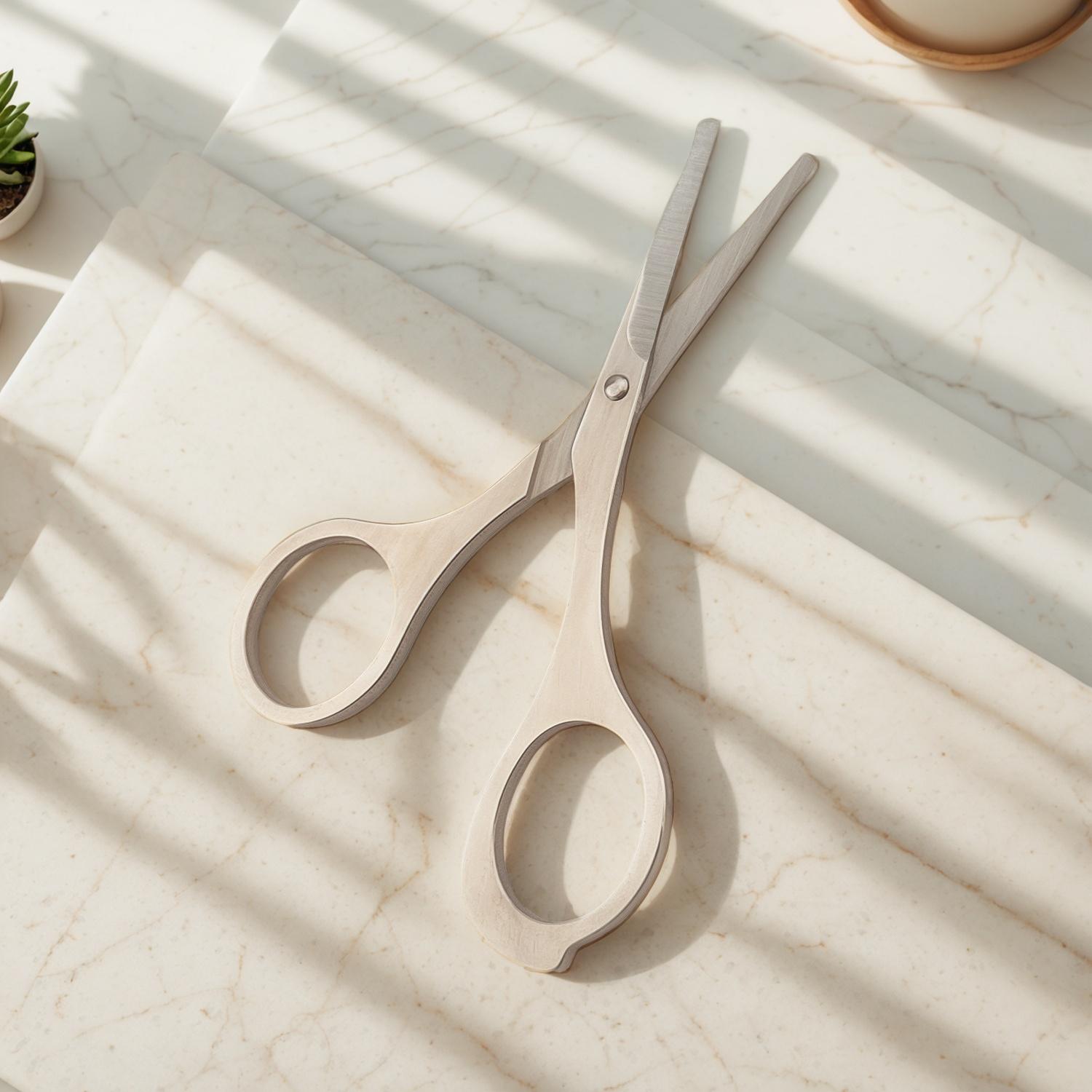
Beauty Scissors in Bulk: A Practical Buying Guide for Salon and Distributor Inventory
Buying beauty scissors in bulk is not only a price decision. For salon owners, beauty supply distributors, training academies, and grooming product retailers, scissors are everyday tools that affect cutting comfort, service consistency, and repeat purchasing. A bulk order should support real working needs: enough stock for stylists, reliable backup tools, and a selection that customers or staff can understand quickly.
This guide focuses on the commercial buying considerations behind beauty scissors bulk purchasing, with special attention to hair thinning scissors such as Olimor Beauty's Sleek Minimalist Hair Thinning Scissors. Thinning scissors are used to reduce weight, soften lines, and create texture, so buyers need to consider not only appearance but also handling, material, finishing, inspection, and packaging. Whether you manage a salon supply shelf or source for a professional team, the goal is to choose scissors that can be used confidently and reordered with less friction.

Why Bulk Beauty Scissors Make Sense for Professional Buyers
Bulk purchasing gives beauty businesses more control over availability. Salons often need multiple pairs for different workstations, replacements for worn tools, and spare inventory for new hires. Distributors and retailers need consistent stock so customers do not switch suppliers when an item is unavailable. For training schools, bulk scissors also make it easier to provide students with similar tools, which simplifies instruction and evaluation.
The strongest reason to buy in bulk is inventory stability. A single stylist may manage with one favorite pair, but a business needs a system. If a popular thinning scissor sells out or a stylist needs a replacement, waiting for a small reorder can interrupt service or sales. Bulk planning reduces that risk and helps purchasing teams organize stock by tool type, use case, and expected turnover.
Bulk sourcing can also support better product presentation. A consistent group of scissors with matching packaging, clear descriptions, and predictable handling is easier to sell online, display in a store, or issue to salon staff. Instead of treating scissors as one-off accessories, professional buyers can build a more dependable beauty tool category. To compare related items for your range, you can review Olimor beauty tool products and consider how scissors fit alongside other grooming and salon tools.
Understanding the Role of Hair Thinning Scissors
Hair thinning scissors serve a different purpose from straight cutting scissors. They are designed to remove selected hair volume rather than create a solid cut line. In salon use, thinning scissors help blend layers, soften heavy sections, reduce bulk near the ends, and refine texture after the main haircut has been shaped. For personal grooming buyers, they may also be used for light maintenance when handled carefully.
Olimor Beauty's Sleek Minimalist Hair Thinning Scissors are presented as tools for professional hairdressers and personal grooming enthusiasts. The original product information highlights an ergonomic design, stainless steel construction, rust resistance, and long-lasting sharpness. These are useful buying points because thinning scissors are repeatedly opened and closed through dense sections of hair; a buyer should look for smooth handling, clean tooth alignment, and a finish that is practical for regular use.
When selecting thinning scissors for bulk inventory, consider who will use them and how. A salon may prioritize comfort during a full day of appointments. A beauty distributor may need a scissor that is simple to explain to resellers and end customers. A grooming retailer may want a tool that looks clean, modern, and approachable while still being suitable for controlled texture work.
Selection Criteria for Bulk Scissor Orders
A good bulk order begins with clear selection standards. The product does not need unnecessary claims or exaggerated features; it needs to meet the use case reliably. Buyers should define the baseline before comparing supplier options.
- Intended use: Decide whether the scissors are for salon texturizing, training kits, retail resale, or personal grooming sets.
- Material and finish: Stainless steel is a practical choice for beauty tools because it supports a clean appearance and helps resist rust when properly maintained.
- Comfort: Ergonomic design matters for repeated hand movement, especially in salons where tools may be used for long service periods.
- Cutting feel: Thinning scissors should open and close smoothly and remove hair without tugging when used correctly.
- Visual consistency: Bulk inventory should look uniform enough for retail display, salon kits, or distributor catalog photos.
- Packaging practicality: Packaging should protect the scissor edges and make handling, storage, and resale easier.
- Inspection process: The order should be checked for alignment, surface finish, opening and closing action, and safe packing before shipment.
These criteria are especially important for B2B beauty supplies because the buyer may not be the final user. A distributor, for example, needs tools that can satisfy different salons and retailers, while a salon group needs consistency across multiple locations or teams.
Inventory Planning for Salons, Retailers, and Distributors
Bulk does not mean buying without structure. The best quantity depends on the business model, sales speed, storage space, and reorder schedule. A salon may need a smaller working inventory, while a distributor may plan stock around seasonal demand, new account growth, or catalog refreshes.
Before placing a bulk beauty scissors order, group your needs into three categories: active-use tools, backup stock, and sale inventory. Active-use tools are assigned to stylists or stations. Backup stock covers replacements and new staff. Sale inventory is for retail display, online orders, wholesale accounts, or training kits. This simple division prevents a common problem: selling through all available scissors and leaving no tools for internal use, or overstocking tools that are not aligned with actual customer demand.
| Buyer type | Main priority | Useful planning question |
|---|---|---|
| Salon owner | Reliable tools for daily service | How many stations and replacement pairs need coverage? |
| Distributor | Consistent resale inventory | Which customers buy thinning scissors repeatedly? |
| Retailer | Clear product presentation | Can shoppers understand the scissor's purpose quickly? |
| Training academy | Uniform student tools | Will the same scissor support instruction across classes? |
For broader assortment planning, review product collections and consider whether beauty scissors should be sold alone, paired with complementary grooming tools, or included in a professional starter range.
Quality Checks That Matter Before Stocking Scissors
Quality assurance is particularly important for scissors because small defects can be felt immediately by the user. The original product information notes that Olimor Beauty applies quality checks and inspections from raw material selection to final packaging. For buyers, this type of process matters because scissors have functional surfaces, moving parts, and presentation requirements.
A practical receiving inspection should be simple enough to repeat across cartons but detailed enough to catch problems before the tools reach customers. Check the visible finish for scratches, staining, or rough areas. Open and close the scissors to feel whether the movement is steady. Review tooth alignment on thinning scissors and ensure the tool is packed in a way that reduces movement during transport. If the scissors are intended for resale, inspect the packaging condition as well as the tool itself.
Buyers should also document what they expect. A clear checklist helps purchasing, warehouse, and sales teams use the same standards. If a future reorder is needed, notes from the first order can guide communication and reduce ambiguity. For custom sourcing discussions, assortment questions, or packaging requirements, you can send an inquiry to Olimor Beauty.
Maintenance Guidance to Reduce Returns and Complaints
Even well-made scissors need proper care. Maintenance instructions are especially valuable when selling in bulk because they reduce avoidable complaints from end users. Many problems with beauty scissors come from misuse, poor storage, cutting unsuitable materials, or leaving tools damp after cleaning.
- Use for hair only: Beauty scissors should not be used on paper, thread, plastic packaging, or other materials that can damage the cutting edge.
- Keep clean and dry: After use, remove hair and moisture before storage to support rust resistance and a clean finish.
- Store safely: Keep scissors closed and protected so the tips and edges are not damaged in drawers or travel cases.
- Avoid dropping: Impact can affect alignment, cutting feel, and comfort.
- Check movement regularly: If the scissors feel loose, stiff, or uneven, remove them from active service until they can be assessed.
For salon teams, place maintenance guidance where tools are stored. For retailers and distributors, include care notes in product descriptions or after-sale materials. Clear care instructions are a low-cost way to protect customer satisfaction and help users get better performance from the product.
How to Position Beauty Scissors in a B2B Product Range
Beauty scissors are easier to sell when their purpose is specific. Instead of listing every scissor as a general salon accessory, describe the use case clearly. Hair thinning scissors should be positioned around texture control, volume reduction, blending, and finishing work. That helps buyers choose the right tool and reduces the chance of dissatisfaction from using the wrong scissor for the task.
For distributors, product descriptions should include the audience, such as professional hairdressers, grooming users, or salon supply buyers. For salons, internal tool lists can identify which scissors are for cutting, thinning, or finishing. For online retail, product pages should avoid vague promises and focus on function, comfort, material, and care.
If your business is comparing bulk beauty scissors with other salon equipment, consider how the tool supports repeat orders. Scissors are not disposable impulse items; they are working tools that users judge by feel and reliability. A clean minimalist appearance, ergonomic handling, stainless steel construction, rust resistance, and sharpness are all relevant points when they match the product information and customer needs.
Choosing a Supplier for Long-Term Scissor Inventory
A bulk scissor supplier should help you maintain consistency, not only complete one shipment. Look for clear communication, practical product information, inspection awareness, and the ability to support your buying process. When details such as packaging preferences, assortment mix, or target users matter, define them early so the order is aligned with your sales channel.
Olimor Beauty supplies beauty tools for professional and grooming markets, and beauty scissors can be an important part of a broader tool inventory. If you are building a new range, refreshing salon equipment, or preparing a distributor order, focus on the details that affect real use: comfort in hand, clean finishing, suitable material, reliable packing, and clear care guidance. For questions about product options or sourcing, you can contact Olimor and outline your intended application.
Bulk buying is most successful when it combines commercial planning with product understanding. Beauty scissors, especially thinning scissors, should be selected for the way they perform in daily work and the way they fit your inventory strategy. With a defined checklist and a clear view of your customers, a bulk order can support smoother operations, stronger product presentation, and more dependable salon or resale supply.
Tag: