

B2B Nail Clipper Quality and Bulk Pricing Guide for Distributors and Retailers
A nail clipper looks simple, but in B2B sourcing it is a product where small details affect repeat sales, customer complaints and total buying cost. Distributors, retail buyers, salon suppliers, hotel amenity buyers and promotional product companies need a clipper that cuts cleanly, feels comfortable in the hand and arrives in packaging suited to the sales channel. A low unit price is useful only when the product performs consistently across a full shipment.
Olimor Beauty supplies B2B nail clipper options for buyers who need reliable grooming tools at scale. The original product focus is clear: durable stainless steel construction, sharp blades for precise cuts, ergonomic handling and bulk scalability. This guide explains how to evaluate those qualities, compare bulk nail clipper price structures and choose a supply approach for distributors or retailers without relying on vague product claims.
Why B2B Nail Clipper Quality Matters More Than the First Unit Price
In consumer browsing, a nail clipper may be judged by appearance or impulse price. In B2B purchasing, the product is judged by consistency. If a distributor receives cartons where some clippers cut smoothly and others drag, twist or leave jagged edges, the shipment becomes harder to resell. If a retailer stocks clippers that look fine on the shelf but dull quickly, the product can damage customer trust even when the initial margin looked attractive.
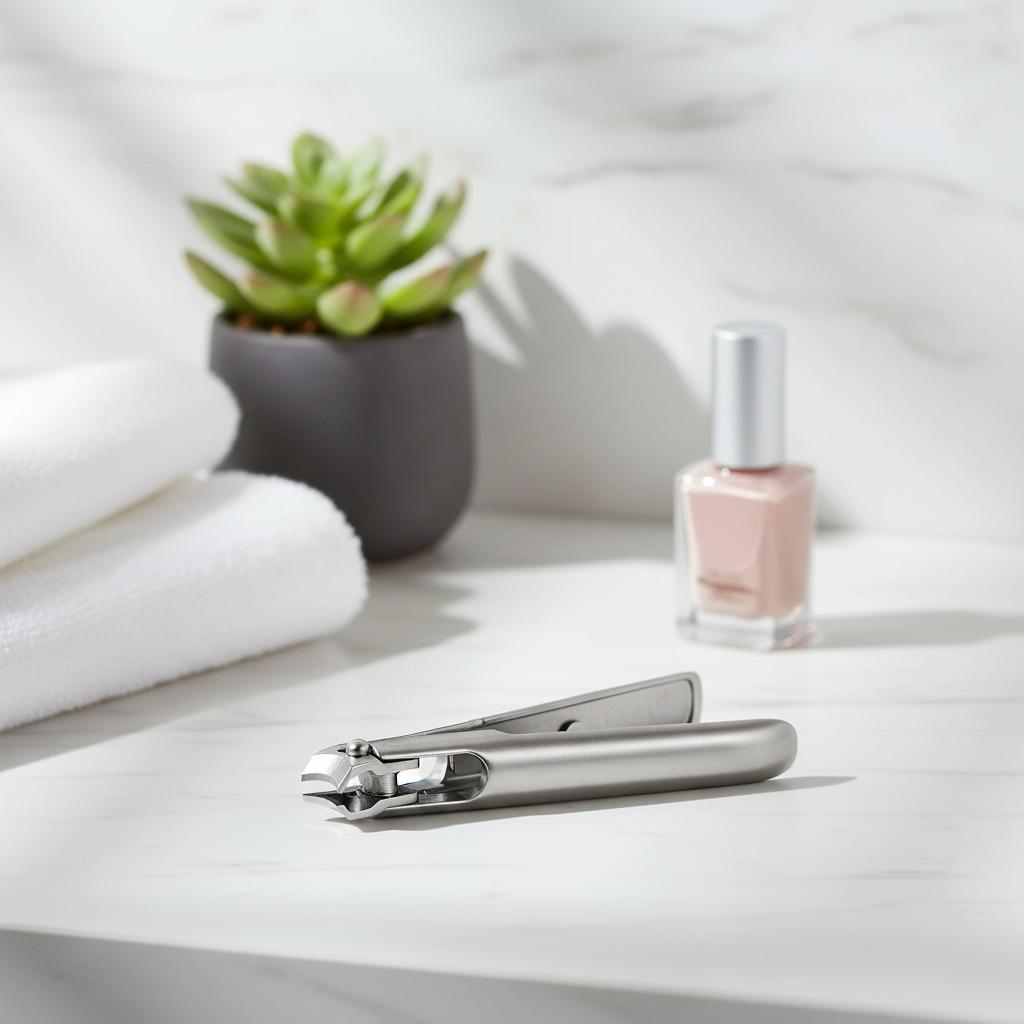
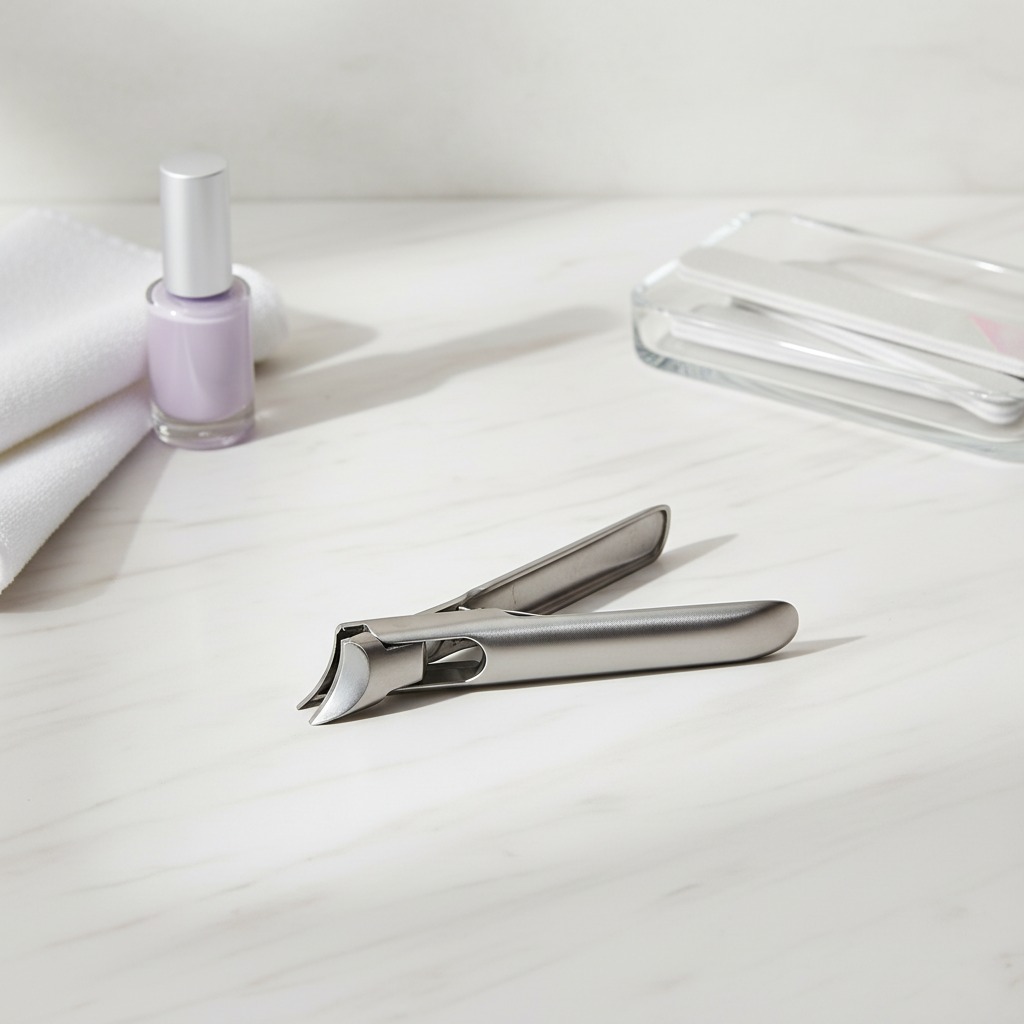
The main quality issue is the cutting edge. Sharp blades help create a cleaner cut and reduce the likelihood of rough nail edges. Blade alignment is just as important: both edges need to meet evenly, with enough leverage for a controlled cut. Stainless steel is commonly preferred for nail clippers because it provides strength and a clean grooming-tool appearance. However, B2B buyers should still compare finish quality, hinge movement, edge uniformity and the feel of the lever before confirming a bulk order.
Ergonomics also matter. A clipper used in a salon, grooming kit, travel kit or retail household setting should be easy to grip and operate. A lever that feels unstable, too stiff or too thin can reduce user satisfaction. For buyers serving professional environments, comfort during repeated use is especially important.
Key Selection Criteria for Bulk Nail Clipper Orders
Before comparing quotations, create a practical inspection checklist. This helps purchasing teams compare like for like instead of selecting only the lowest offer. The checklist below is useful for distributors, retail buyers and private-label grooming programs.
- Material and surface finish: Confirm that the clipper uses stainless steel as specified, and inspect for burrs, discoloration, scratches or rough edges.
- Blade sharpness: Test whether the clipper cuts cleanly without crushing or tearing the nail edge.
- Blade alignment: Check that the cutting edges meet evenly from side to side.
- Lever action: The lever should move smoothly, return reliably and not feel loose during use.
- Hand comfort: Evaluate the clipper in real use, not only in photos. Grip, pressure and leverage affect satisfaction.
- Packaging fit: Choose packaging that matches the channel, whether bulk cartons, retail-ready packs or customized packaging for resale.
- Carton protection: Bulk shipments should be packed to reduce scuffing, deformation and unnecessary movement during transport.
- Visual consistency: Compare several pieces from a sample set to check whether finish, assembly and cutting action are consistent.
For buyers who are building a broader grooming range, it can also be useful to review related beauty tool products at the same time. Coordinating clippers with other manicure, pedicure or personal care tools can simplify packaging decisions and create a more coherent offer for downstream customers.
Understanding Bulk Nail Clipper Price Structures
Bulk nail clipper price is influenced by more than the metal and the order quantity. Buyers often compare one quoted unit price against another, but the cheaper option may shift cost into other areas: higher defect rates, weaker packaging, more customer returns or shorter product life. A better comparison looks at total landed value and saleability.
Several factors commonly shape pricing in B2B nail clipper sourcing:
- Product construction: Material choice, blade precision, lever quality and finishing process all affect cost.
- Order size: Larger consolidated orders can improve per-unit economics compared with fragmented purchasing from multiple small sources.
- Packaging style: Simple bulk packaging usually differs in cost from retail cards, boxes or customized resale packaging.
- Quality control scope: Inspection steps from raw material checks to final packaging checks add value by reducing avoidable shipment problems.
- Logistics requirements: Carton configuration, destination, lead-time needs and handling requirements can affect the final delivered cost.
Olimor Beauty emphasizes quality control from raw material inspection through final packaging. For a B2B buyer, that process is important because it supports consistency across a shipment, not just an attractive sample. When comparing bulk nail clipper price, consider asking your purchasing team to score quality, packaging and defect risk alongside the quoted unit cost. A clipper that sells through steadily and generates fewer complaints may deliver stronger long-term margin than a visibly cheaper alternative.
Nail Clipper for Distributors: What to Prioritize
Distributors typically need products that move efficiently through resale networks. Their buyers may include wholesalers, regional beauty suppliers, pharmacy channels, salon product resellers or mixed general merchandise accounts. For this audience, the nail clipper must be dependable, easy to count and carton-pack, and flexible enough for different downstream packaging or merchandising needs.
Customizable bulk packaging can be valuable for distributor programs because it helps align the product with resale requirements. Some distributors prefer neutral bulk packs for repacking, while others need packaging that is closer to retail-ready. The right choice depends on how the product will be stored, picked, shipped and presented after it leaves the first warehouse.
Distributors should also focus on repeatability. If the first order performs well but the second order differs in finish or cutting feel, the account may face avoidable service issues. When evaluating a B2B nail clipper supplier, compare samples from different batches when possible, document the accepted standard and ensure that packaging instructions are clear before production.
Nail Clipper for Retailers: Shelf Appeal Without Ignoring Function
Retail buyers have a different challenge. The product needs to attract attention, communicate value quickly and fit the merchandising format. However, retail packaging should not compensate for weak clipper performance. A shopper may buy once because of appearance, but repeat purchase depends on whether the clipper cuts cleanly and feels comfortable.
For nail clipper for retailers, packaging and presentation should make the product easy to understand: what the item is, how it is used and why it belongs in a grooming kit. Clear, protective packaging can reduce handling damage and help the clipper arrive on the shelf in good condition. If branded elements are used, they should support shelf recognition without inflating cost unnecessarily.
Retailers may also consider how the clipper fits with a broader assortment. A single nail clipper can be sold as an everyday grooming item, travel accessory, manicure kit component or seasonal personal care product. Reviewing relevant product collections can help buyers plan coordinated ranges instead of sourcing isolated items that do not work together visually or commercially.
Manufacturing and Sourcing Questions Worth Resolving Early
Good sourcing decisions happen before the purchase order is placed. A clear specification reduces misunderstandings and helps both the buyer and supplier judge whether the product is suitable for the intended channel. Avoid relying only on photos or generic descriptions such as “premium quality.” Instead, define what acceptable quality means for your business.
| Buying question | Why it matters |
|---|---|
| What material and finish are required? | Confirms the appearance, durability expectations and grooming-tool positioning. |
| How should blade sharpness be evaluated? | Creates a practical standard for clean cutting and user satisfaction. |
| What packaging format is needed? | Aligns the order with distributor handling, retail display or kit assembly. |
| How will samples be approved? | Prevents disputes by documenting the accepted look, feel and performance. |
| What carton and labeling details are required? | Supports receiving, warehousing and downstream shipment efficiency. |
These questions are especially important when comparing multiple sources. One supplier may quote a lower price but exclude packaging requirements, while another may include more complete inspection and packing steps. A structured comparison makes the final decision easier to defend internally.
Maintenance and Handling Guidance for End Users
B2B buyers should also think about the instructions that downstream users receive. A durable stainless steel nail clipper can still perform poorly if it is stored wet, dropped repeatedly or used for inappropriate materials. Simple care guidance can reduce complaints and help customers get better performance from the product.
- Wipe the clipper clean after use, especially if it has been exposed to moisture.
- Store it in a dry place to preserve the finish and hinge movement.
- Use the clipper only for nails, not wire, plastic tags or other hard materials.
- Avoid dropping the clipper, as impact can affect blade alignment.
- Keep grooming tools personal or sanitize appropriately in professional environments.
Including care information in packaging or product inserts can be useful for retail and salon channels. It also signals that the product is a practical grooming tool, not just a low-cost accessory.
Choosing the Right B2B Nail Clipper Supply Partner
The best B2B nail clipper choice balances cutting performance, consistent production, appropriate packaging and realistic pricing. For distributors, the priority is scalable supply and packaging flexibility for resale networks. For retailers, the priority is a product that looks good on the shelf but still performs well after purchase. For all buyers, the central question is the same: will this clipper satisfy customers across the whole shipment, not just in a sample photo?
Olimor Beauty focuses on stainless steel nail clippers with sharp blades, ergonomic design and bulk supply suitability. If you are comparing options for a distributor program, retail assortment or grooming tool line, prepare your product requirements, packaging expectations and target channel before requesting details. To discuss a suitable B2B nail clipper order, contact Olimor or send an inquiry with your sourcing needs.
Tag: