

B2B Beauty Supplies for Salons: How to Source Reliable Professional Tools
For salons, lash studios, beauty retailers and distributors, B2B beauty supplies are not just inventory. They affect service quality, client comfort, repeat purchases and the reputation of the business using them. A tool that feels awkward, wears quickly or delivers inconsistent results can slow down professionals and create avoidable service problems. A well-made tool, on the other hand, helps a stylist, lash technician or retail customer work with more confidence.
Olimor Beauty focuses on beauty tools made for professional and commercial use, including eyelash curlers and salon-use items suitable for bulk purchasing. The goal for buyers is not simply to find the lowest unit cost. It is to choose products that are comfortable, consistent and supported by sensible quality checks from raw material inspection through final packaging.
What B2B Buyers Should Expect from Beauty Tool Suppliers
Professional beauty businesses usually buy tools differently from individual consumers. They need repeatable quality, stable packaging presentation, clear product communication and dependable handling of larger orders. Whether you are purchasing for a single salon or planning broader retail distribution, the supplier should make it easier to compare products and understand how each tool will perform in daily use.
Useful supplier evaluation starts with practical questions. Does the tool feel comfortable in the hand? Are contact points smooth? Does the product appear consistent from unit to unit? Is the packaging appropriate for your retail shelf, treatment room or kit assembly process? These details matter because B2B buyers often manage customer expectations across many users, not just one personal routine.
When reviewing beauty tool products, buyers should look beyond the main product photo. Product shape, grip, hinge movement, pad softness, edge finishing and packaging structure can all affect whether the item is suitable for professional use. A strong supplier should be able to help you evaluate these factors without relying on vague claims.
Evaluating Eyelash Curlers for Wholesale and Professional Use
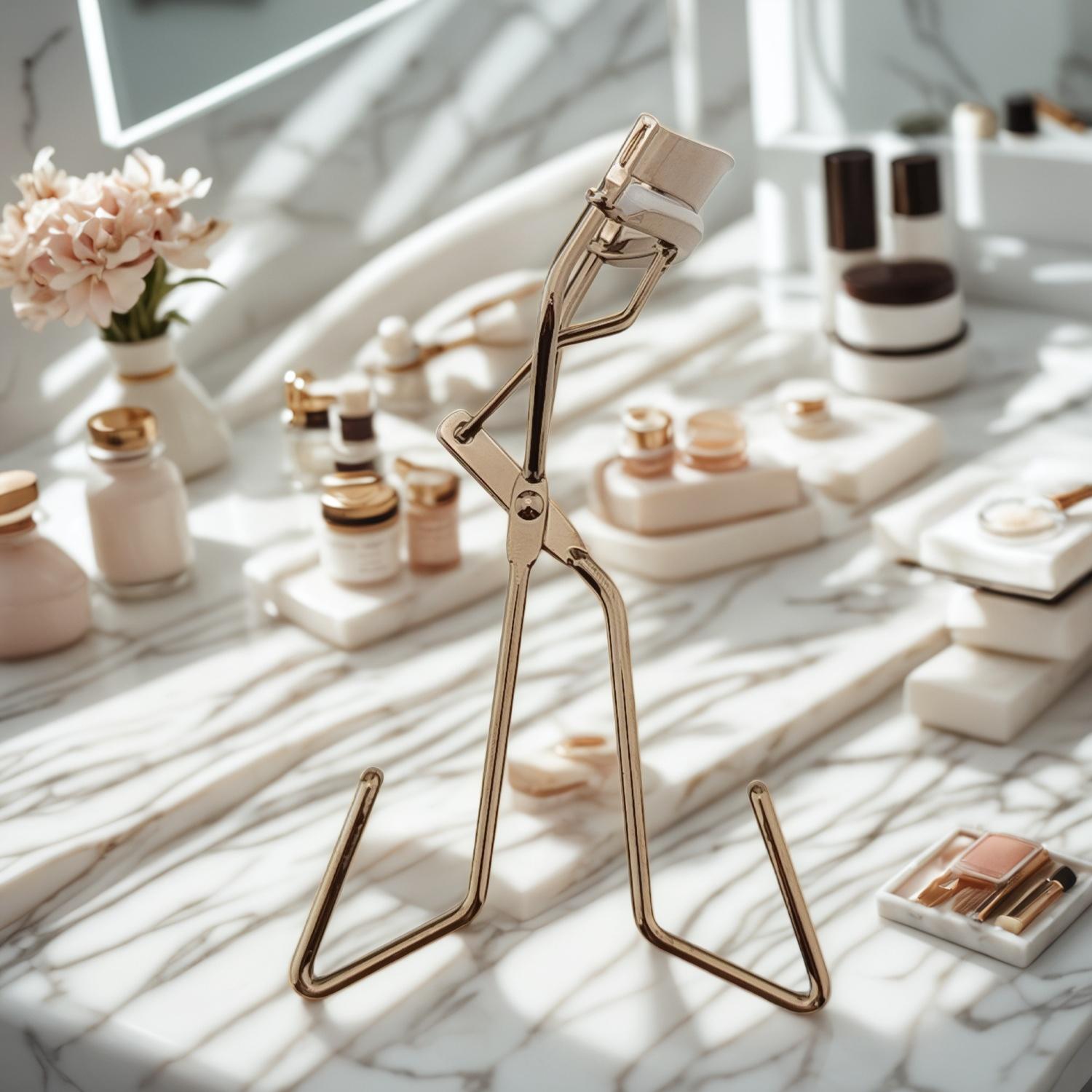
Eyelash curlers are small tools, but they are highly sensitive to design quality. A poor curler can pull, pinch or create an uneven bend. A well-designed curler applies controlled pressure across the lash line and helps create a smooth curl without discomfort. This is especially important for salons, lash studios, makeup artists and retailers serving customers with different eye shapes.
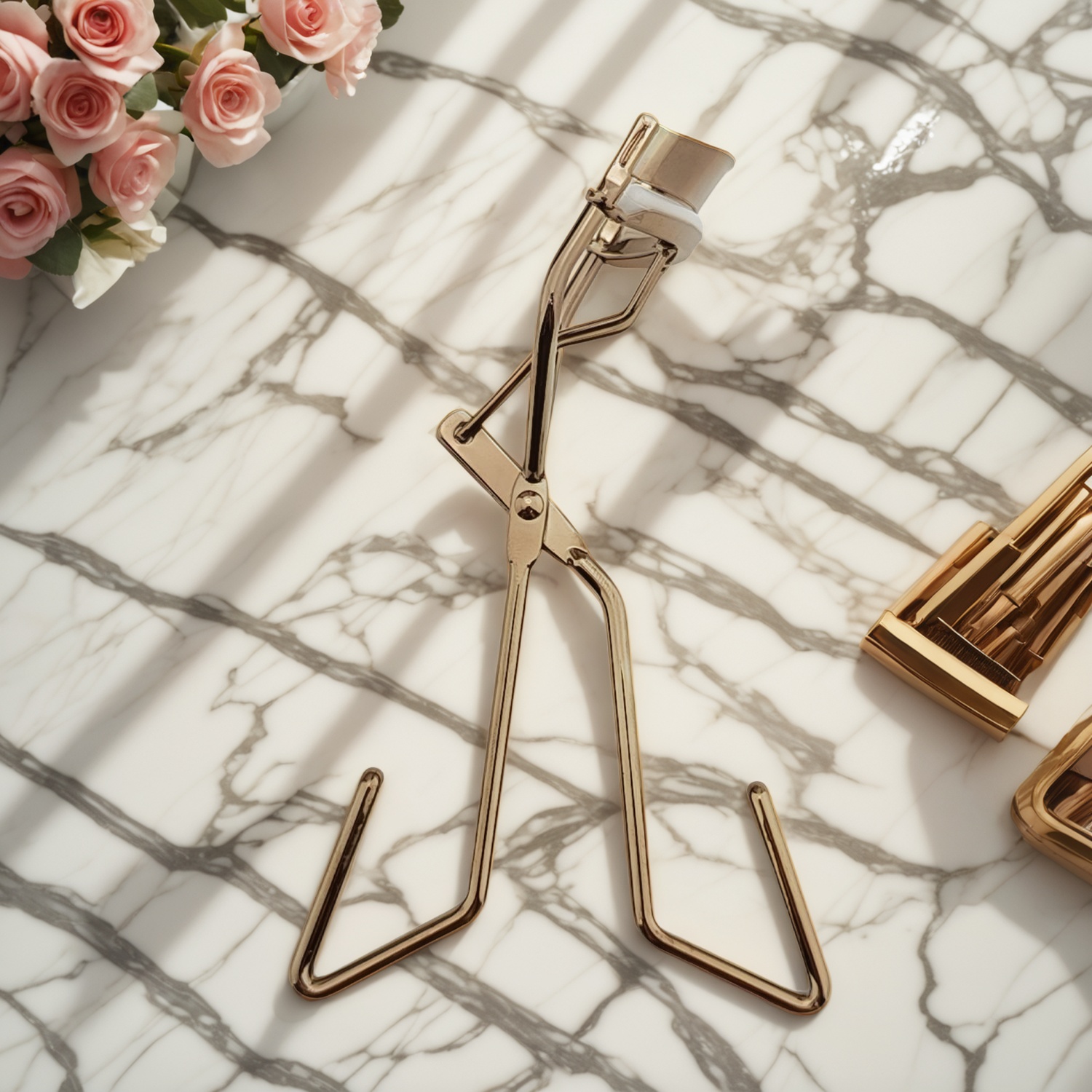
Olimor Beauty’s eyelash curler is described with several practical qualities that matter to professional buyers: stainless steel construction, an ergonomic design, uniform pressure, a soft silicone pad and comfortable use without pinching or tugging. These are not decorative features. They directly influence how the tool performs in the hand and how comfortable it feels for the person using it.
When comparing eyelash curler wholesalers, consider the following checklist:
- Frame material: Stainless steel is valued in beauty tools for its durable feel and clean appearance.
- Pressure distribution: The curler should close smoothly and apply pressure evenly, rather than concentrating force in one area.
- Pad comfort: A soft silicone pad helps cushion lashes during use and reduces harsh contact.
- Ergonomics: Finger loops and handle angle should feel natural for repeated use by professionals.
- Edge finishing: Surfaces near the eye area should feel smooth and carefully finished.
- Visual consistency: Units should look consistent across a batch, especially for retail or kit packing.
For B2B buyers, the best eyelash curler is not always the most dramatic-looking one. It is the tool that can be used comfortably, packaged reliably and recommended with confidence to clients or retail customers.
Buying Hair Salon Supplies in Bulk Without Losing Quality Control
Bulk purchasing can improve planning and simplify replenishment, but it also increases the cost of choosing the wrong product. Hair salon supplies bought in quantity need to withstand regular handling, storage, display and daily professional use. Buyers should therefore review both the tool and the process behind it.
A practical approach is to separate selection into three stages: product suitability, batch consistency and business fit. Product suitability asks whether the tool meets the intended use case. Batch consistency asks whether multiple units match the approved sample. Business fit asks whether packaging, communication and supply arrangement support your sales or service model.
| Buying factor | Why it matters for B2B orders | What to review |
|---|---|---|
| Daily handling | Salon tools are used repeatedly and must feel dependable. | Grip comfort, movement, surface finish and overall stability. |
| Batch consistency | Retailers and salons need products that match the approved standard. | Shape, finish, pad placement, packaging and visible defects. |
| Packaging condition | Packaging affects storage, display and customer impression. | Clean assembly, protection during transit and clear presentation. |
| Supplier communication | Clear details reduce purchasing mistakes and delays. | Product information, order process, sample handling and documentation. |
This framework helps buyers compare options more objectively. Instead of choosing based only on price or appearance, you can evaluate whether the supply is suitable for your service environment, retail plan or distributor network.
Quality Checks That Matter Before Tools Reach Your Salon or Store
Quality control is one of the most important differences between casual sourcing and professional B2B sourcing. Olimor Beauty emphasizes internal quality control from raw material inspection to final packaging. For buyers, this kind of process matters because many product issues are easiest to prevent before shipment, not after the tools arrive at your salon or warehouse.
Beauty tool quality is often visible in small details. A hinge that feels uneven, a pad that is poorly seated, a sharp edge, a loose component or inconsistent finishing can reduce trust quickly. In retail, customers notice these details when they open the package. In salons, professionals notice them the first time a tool is used during a service.
Before placing larger orders, B2B buyers should define what an acceptable product looks and feels like. That may include checking smooth operation, surface cleanliness, consistent shape, packaging alignment and the absence of rough edges. For eyelash curlers specifically, test the closing action and pressure feel. The motion should be controlled, and the pad should cushion the lashes rather than create a harsh crimp.
Documenting these expectations internally helps your purchasing team, warehouse team and retail team stay aligned. It also makes future reorders easier because everyone understands the same benchmark.
Matching Supply Choices to Your Business Model
Different beauty businesses need B2B supplies for different reasons. A makeup artist may prioritize compactness and hand feel. A lash studio may focus on client comfort and reliable curl performance. A salon chain may care about consistency across locations. A beauty retailer may need attractive packaging and easy product explanation for shoppers.
Before reviewing products, define the primary use case. Are the tools for professional back-bar use, resale, training kits, promotional sets or replenishment stock? The answer influences how you evaluate each item. For example, tools used by professionals all day should be judged strongly on ergonomics and durability. Products intended for retail display must also be reviewed for packaging presentation and shelf clarity.
Olimor Beauty’s broader offering can be explored through product collections, which is useful when buyers want to compare related tools or plan a more complete purchasing list. Building a coordinated supply plan can reduce scattered purchasing and make inventory management easier.
How to Prepare a Better B2B Beauty Tools Inquiry
A clear inquiry saves time and helps a supplier understand your real purchasing need. Instead of sending a general request for beauty tools, include details about the product type, order purpose, preferred packaging considerations and destination market requirements if relevant. You do not need to have every technical detail prepared, but the more specific your request is, the easier it becomes to recommend suitable options.
- Identify the product category, such as eyelash curlers or salon-use beauty tools.
- Explain whether the tools are for retail, professional use, kits, distribution or replenishment.
- List the qualities that matter most, such as comfort, stainless steel construction, soft pads or packaging presentation.
- Clarify whether you need samples, product comparison details or bulk order discussion.
- Share any packaging or labeling expectations that are already decided.
If you are ready to discuss a purchase plan, you can send an inquiry with your product interests and intended use. For broader questions about sourcing, product availability or collaboration, you can also contact Olimor directly.
Choosing B2B Beauty Supplies with Long-Term Value
The strongest B2B sourcing decisions balance product performance, user comfort, consistency and supplier reliability. For eyelash curlers, that means paying attention to stainless steel construction, ergonomic shape, uniform pressure and a soft silicone pad. For broader salon supplies bought in bulk, it means reviewing whether the tools can handle daily use and arrive with the consistency your business requires.
Olimor Beauty supports professional buyers by focusing on carefully made beauty tools and internal quality checks across the supply process. For salons, lash studios, retailers and distributors, that approach helps reduce uncertainty and supports a more dependable product experience.
When you choose B2B beauty supplies, treat each tool as part of your service standard or retail promise. The right products should be comfortable to use, simple to present and consistent enough to support repeat business. That is the practical foundation of salon-quality sourcing.
Tag: