

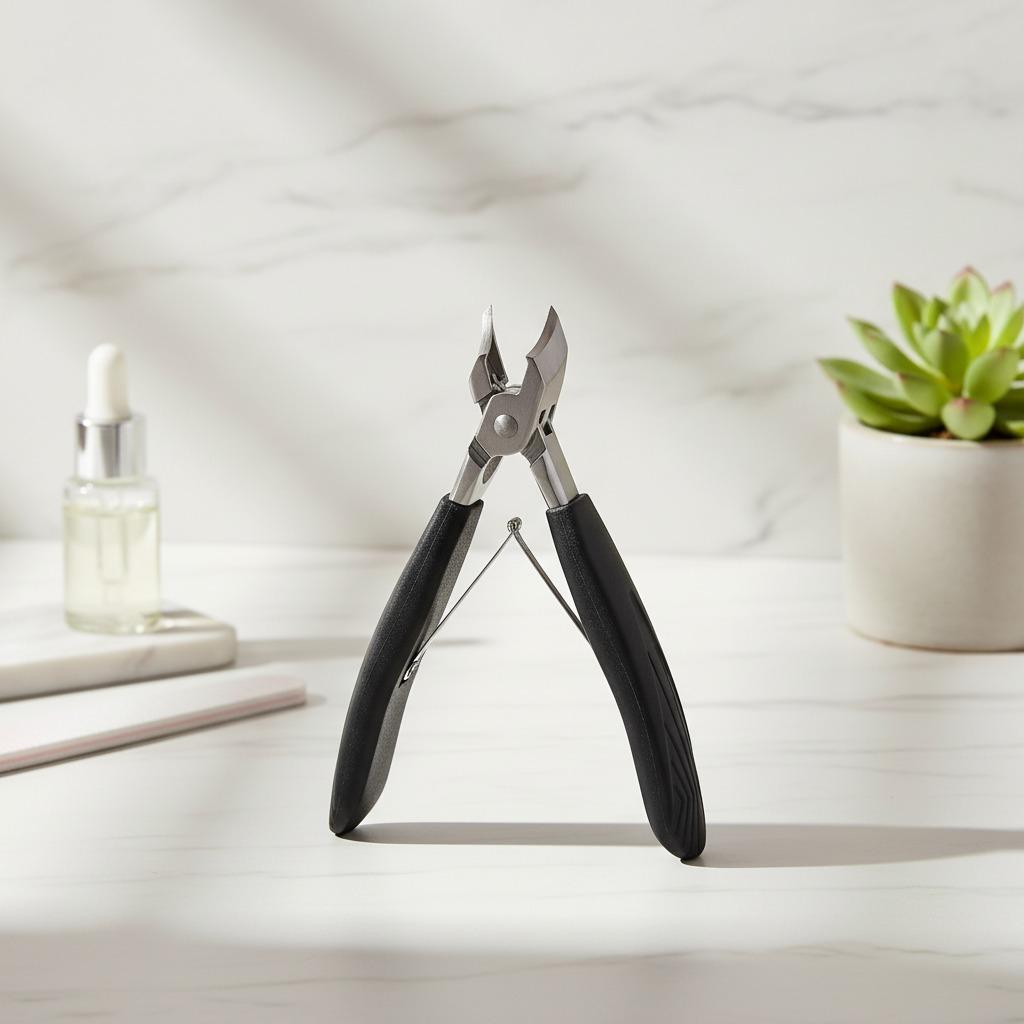
B2B Nail Clippers for Professional Grooming Programs
For salons, spas, grooming retailers and wholesale distributors, nail clippers are small tools with a large effect on customer experience. A clipper that feels stable in the hand, cuts cleanly and survives repeated use can support faster services, fewer nail splits and better retail confidence. A weak clipper does the opposite: it drags, bends, catches at the edge or makes the operator work harder than necessary.
Olimor Beauty supplies B2B beauty tools for professional grooming channels, including precision nail clippers suitable for manicure, pedicure and home-care assortments. The focus for business buyers should not be only the unit appearance. It should include cutting performance, handle comfort, repeatability, packaging suitability, brand positioning and the ability to develop custom made nail clipper options when a standard item does not fit the target market.
Why Nail Clippers Matter in B2B Beauty Supplies
Nail clippers are often purchased in volume because they serve multiple sales channels. A salon may use them at the workstation, a spa may include them in pedicure services, and a retailer may place them in a personal care set. In each case, the buyer needs dependable function rather than novelty for its own sake.
Professional use creates different expectations from occasional household use. The operator may clip many nails in one day, so the lever should not feel awkward, slippery or unstable. The blades should close accurately and make a clean cut without crushing the nail edge. The body should be simple to wipe, store and inspect. When a clipper is sold to consumers under a retail or private label program, the same practical qualities influence reviews, repeat orders and brand trust.
Olimor Beauty's nail clipper offering is positioned for B2B beauty supplies where precision, ergonomic handling and sharp stainless steel blades are important. These are useful baseline features for professional grooming because they address the main reasons buyers replace low-quality tools: dull cutting edges, poor alignment, uncomfortable pressure and inconsistent finishing.
Core Selection Criteria for Professional Grooming Buyers
Before choosing a standard nail clipper or starting a nail clipper ODM project, define the exact use case. A beauty salon buying for internal service may value handling, hygiene and durability most. A retailer may also need attractive packaging, a clear product story and a design that fits a target price tier. A distributor may need a balanced option that works across several customer groups.
Use the following criteria to compare samples and narrow your sourcing decision:
- Cutting feel: The blades should meet evenly and clip without excessive force. Test on different nail thicknesses rather than judging only by appearance.
- Blade material and sharpness: Stainless steel blades are valued for grooming tools because they support a clean cutting edge and practical maintenance.
- Handle comfort: Ergonomic handles and non-slip grip details can reduce hand fatigue during repeated professional use.
- Size and opening angle: A compact clipper may suit retail kits, while a larger design may feel more stable for pedicure services.
- Edge finishing: Surfaces should feel smooth where the user holds the tool, with no rough burrs that can affect comfort or perceived quality.
- Packaging plan: Decide whether the tool will be sold individually, added to a grooming kit or supplied as a professional back-bar item.
- Brand fit: The shape, color, logo area and packaging should match the buyer's assortment rather than looking like an unrelated accessory.
When to Choose Nail Clipper ODM Instead of a Standard Item
A standard product is often the right starting point when speed, straightforward replenishment and a proven tool structure matter most. However, nail clipper ODM becomes valuable when the business needs a more specific combination of design, packaging or market positioning. ODM allows the product to be developed around requirements such as a unique handle shape, branded packaging or a particular user segment.
For example, a salon chain may want a clipper that feels consistent with its service tools and retail take-home products. A distributor may want a design that is easy to present to pharmacies, beauty stores and online sellers. A private label buyer may need a clipper that works visually with other personal care tools in the same line.
A practical ODM brief should cover more than a drawing. It should describe who will use the clipper, where it will be sold, the expected grooming scenario, preferred handle feel, packaging format, logo placement and any safety or labeling expectations for the target market. Clear decisions at the brief stage reduce revisions and help the manufacturer focus on function as well as appearance.
Custom Made Nail Clippers: Design Choices That Affect Performance
Custom made nail clipper projects can include visible branding elements, but the most important choices are often mechanical and ergonomic. A good-looking tool that is uncomfortable or inconsistent will not perform well in professional grooming programs.
Handle design is one of the first areas to evaluate. A non-slip grip can be useful in salon and spa environments where hands may be damp or product residue may be present. The lever should provide enough control without requiring excessive pressure. If the clipper is intended for pedicure use, stability and leverage become especially important because toenails may be thicker than fingernails.
Blade geometry is another key factor. The cutting edge should match the intended nail type and service style. A clean, predictable cut helps reduce the need for repeated passes, which is better for both the professional and the client. Durable blades also matter for wholesale programs because buyers expect performance to remain consistent across batches and after repeated handling.
Packaging decisions should support the channel. Retail buyers may need hang cards, boxes or branded presentation that communicates the tool's purpose quickly. Professional users may prefer packaging that is efficient to open, store and reorder. If the clipper is part of a kit, confirm the dimensions early so the tool fits securely and does not damage adjacent items.
Quality Checks Before Placing a B2B Order
Quality assurance should be part of the sourcing plan from the beginning. Olimor Beauty emphasizes quality control from material selection through final assembly, and buyers can strengthen the process by preparing a clear inspection checklist for their own purchasing team.
| Check area | What to evaluate | Why it matters |
|---|---|---|
| Blade alignment | Blades meet evenly when closed | Supports clean cutting and reduces nail tearing |
| Lever action | Opens and closes smoothly without looseness | Improves control during repeated use |
| Surface finish | No sharp burrs, rough edges or obvious defects | Affects comfort and perceived product quality |
| Grip stability | Handle is secure in dry and slightly damp conditions | Useful for salon and spa environments |
| Packaging fit | Tool is protected and presented correctly | Reduces damage and supports retail display |
Sample testing should include real handling, not only a visual review. Have several users clip different nail types, compare comfort, observe whether the edge leaves a clean finish and check whether the lever action feels consistent across samples. If the product will be sold under a brand, keep approved samples and packaging references so future batches can be compared against a clear standard.
Maintenance Guidance for Salons, Retailers and End Users
Maintenance information is useful for both professional operators and retail customers. It can also reduce complaints caused by misuse or poor storage. Nail clippers should be kept clean and dry after use. In professional environments, cleaning procedures should follow the hygiene rules required by the salon or local market. Tools should be inspected regularly for dull blades, loosened levers or visible damage.
For retail packaging or online product pages, include simple care guidance. Avoid overpromising, but explain practical steps: wipe after use, dry before storage, keep away from children, and replace the tool if the cutting edge becomes damaged or no longer clips cleanly. Clear maintenance instructions help customers understand the product and protect the brand's reputation.
Building a Better Sourcing Brief with Olimor Beauty
The strongest B2B nail clipper programs start with a precise brief. Instead of asking only for a low-cost clipper, define the buyer type, intended channel, grooming use, packaging needs and preferred customization level. This makes it easier to compare available options across Olimor Beauty's beauty tool products and decide whether a standard item or custom made nail clipper project is the better route.
Businesses planning a broader assortment can also review product collections to consider how nail clippers fit with other grooming tools. A coordinated line can be useful for retailers, gift sets, salon retail shelves and distributors that want a more complete beauty tool offering.
If you are preparing a nail clipper ODM project, collect reference points before the first discussion: target customer, preferred size, handle feel, packaging type, logo requirement, estimated sales channel and any market-specific labeling needs. To begin a project conversation, contact Olimor or send an inquiry with your sourcing brief. A well-defined request helps align product function, customization and quality expectations from the start.
Tag: