

B2B Beauty Supplies: How Salons and Wholesalers Choose Reliable Professional Tools
For salon owners, makeup artists, retailers, and beauty wholesalers, buying tools is not simply a matter of filling inventory. The right B2B beauty supplies affect service speed, client comfort, product returns, staff confidence, and the way a business is perceived. A tool that looks acceptable in a catalog may still create problems if it feels awkward in the hand, wears quickly, arrives inconsistently packaged, or cannot perform reliably during repeated daily use.
Olimor Beauty focuses on professional beauty tools for business buyers who need consistency rather than one-time novelty. Whether you are comparing hair salon supplies in bulk, building a retail beauty accessories section, or sourcing stainless steel eyelash curlers for wholesale distribution, a structured selection process helps reduce risk. This guide explains what to evaluate before placing a bulk order and how to think about quality beyond surface appearance.
What Business Buyers Should Expect from B2B Beauty Supplies
Professional buyers need products that can support repeat use, regular handling, and practical display or storage. In a salon, tools are handled throughout the day by different staff members. In retail, customers may judge the product quickly based on finish, packaging, and how clearly the item communicates its purpose. In wholesale, the product must meet the expectations of downstream buyers who may compare several suppliers at the same time.
Useful B2B beauty supplies should therefore meet several basic conditions: they should be comfortable to hold, consistent from unit to unit, easy to clean or maintain where applicable, and suitable for the intended service or retail channel. A polished appearance matters, but professional buyers should also look closely at hinge movement, grip, surface finishing, pad fit, edge smoothness, and packaging durability.
When reviewing beauty tool products, consider how each item will be used after delivery. A tool for a working salon may need to prioritize ergonomics and durability. A tool intended for retail display may need clear packaging and a finish that photographs well. A product for wholesale distribution must be practical to ship, inspect, and reorder with minimal variation.
How to Evaluate Hair Salon Supplies in Bulk
Buying hair salon supplies in bulk requires a different mindset from purchasing a few items for personal use. Small issues become larger when multiplied across a full order. A handle that feels slightly uncomfortable may create fatigue for stylists. A surface that scratches easily may shorten the perceived life of the item. Packaging that is difficult to stack can create storage problems in a back room or warehouse.
Before confirming a bulk purchase, buyers should define the role of each tool. Is it for daily service use, retail resale, promotional kits, or distributor stock? Each channel has different priorities. Daily-use tools should be judged by function first. Retail tools should balance function with presentation. Distributor products should be easy to explain, compare, and replenish.
- Comfort: Check whether the tool can be used repeatedly without awkward hand positioning.
- Consistency: Compare multiple pieces, not just one sample, to see whether shape, finish, and movement remain uniform.
- Surface quality: Look for clean edges, smooth contact areas, and finishing that matches the intended price position.
- Maintenance: Consider how the tool will be cleaned, stored, and protected between uses.
- Packaging: Confirm that the packaging supports shipping, shelf display, barcode placement, or private labeling requirements if relevant.
- Reorder planning: Choose items that can fit a stable purchasing program instead of creating unnecessary assortment complexity.
Bulk sourcing is most successful when the buying team sets acceptance criteria before reviewing samples. This makes it easier to compare options and reduces the chance of choosing only by appearance or short-term price.
Why Eyelash Curler Wholesalers Should Look Beyond Shape
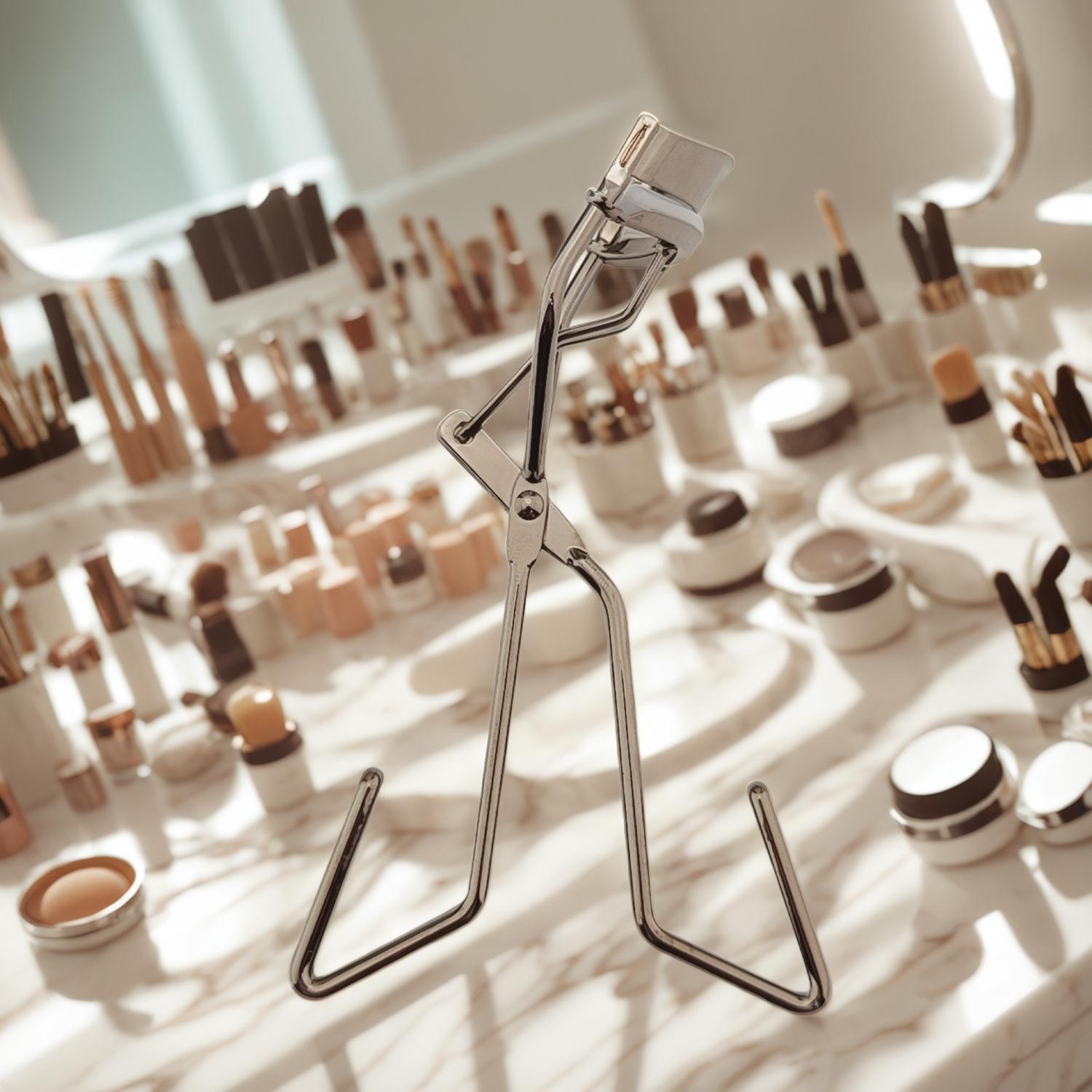
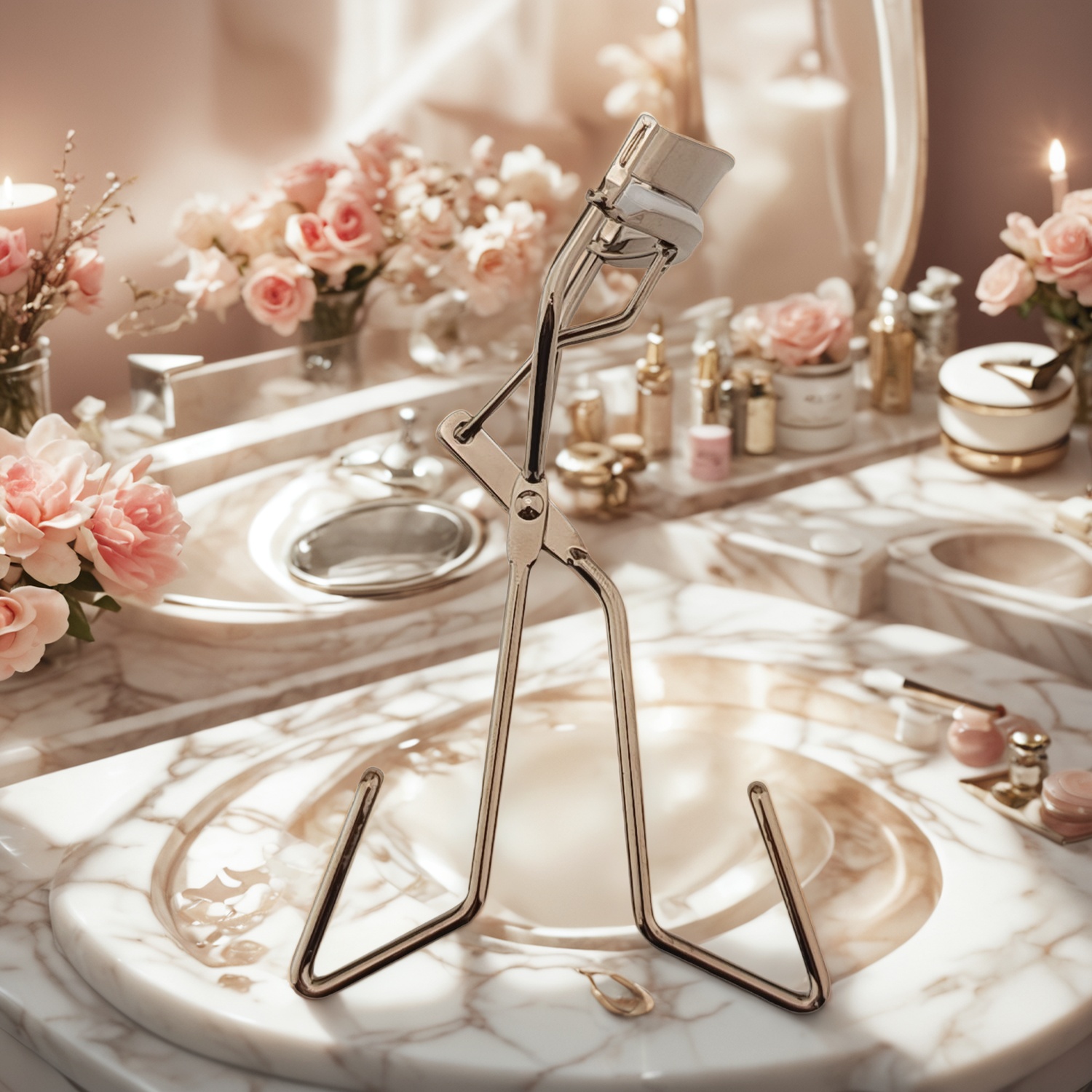
Eyelash curlers are compact tools, but small design differences can affect user comfort and performance. The original product information highlights Olimor Beauty’s stainless steel eyelash curler with an ergonomic handle and a gentle silicone pad. These details matter because an eyelash curler must approach the eye area comfortably and create a smooth curl without unnecessary pinching.
For eyelash curler wholesalers, the best evaluation process includes both visual inspection and practical handling. A curler should open and close smoothly, align evenly, and hold the silicone pad securely. The handle should allow controlled pressure rather than forcing the user into an uncomfortable grip. The tool should also feel stable enough for consumers who may not be professional makeup artists.
Wholesalers should think about the full buying journey. A retailer may want a curler that looks clean in packaging and is simple for sales staff to explain. A beauty distributor may prioritize consistency across cartons. A makeup artist supply shop may care more about how the curler feels during repeated use. Understanding these channels helps select a product that is easier to position and sell.
A Practical Quality Checklist for Professional Beauty Tools
A quality checklist helps business buyers compare beauty tools in a disciplined way. It also creates a shared language between purchasing, sales, and quality control teams. The goal is not to make every product overly complex; it is to identify the factors that directly affect customer satisfaction and repeat purchasing.
| Evaluation Area | What to Check | Why It Matters |
|---|---|---|
| Fit and alignment | Moving parts meet correctly and operate without obvious imbalance. | Improves usability and reduces complaints about poor function. |
| Hand feel | Grip, weight, and pressure feel comfortable during repeated handling. | Supports salon staff and end users during regular use. |
| Contact surfaces | Edges and touch points are smooth and appropriate for the tool type. | Helps protect client comfort and product reputation. |
| Material finish | Surface appearance is clean, consistent, and suitable for display. | Affects perceived quality in retail and professional settings. |
| Packaging condition | Packaging protects the item and presents it clearly. | Reduces damage risk and supports resale presentation. |
| Lot consistency | Several units from the same batch show similar appearance and function. | Important for wholesalers, salons, and multi-location buyers. |
This type of checklist is especially useful when comparing suppliers or preparing a purchasing brief. It also helps separate meaningful quality indicators from purely decorative features.
Sourcing Decisions for Salons, Retailers, and Distributors
Not every buyer needs the same product mix. A salon may want a focused set of dependable tools that staff can use every day. A retailer may need items that are easy to merchandise, explain, and replenish. A distributor may need a broader assortment that can serve multiple customer types. Before choosing products, define the commercial role of each item in the assortment.
For salons, fewer well-selected tools are often better than a wide assortment of inconsistent accessories. Staff training becomes easier when tools feel familiar and perform predictably. For retailers, packaging and shelf clarity become more important because customers make decisions quickly. For wholesalers, repeatability and inspection standards matter because the product may pass through several hands before reaching the final user.
Olimor Beauty’s product collections can be reviewed with these buying situations in mind. Instead of selecting products only by category, consider how each tool fits your business model: daily professional use, retail resale, gift sets, starter kits, or distributor inventory.
Maintenance and Handling Considerations After Delivery
Quality sourcing does not end when the shipment arrives. How tools are stored, handled, and presented can influence their working life and perceived value. Salon teams should store tools in clean, dry areas and avoid unnecessary impact or pressure that could affect alignment. Retailers should keep display units clean and replace damaged packaging promptly. Wholesalers should maintain carton organization so stock rotation and inspection remain simple.
For eyelash curlers, pay attention to the silicone pad condition and overall alignment over time. Pads should sit properly in place, and the curler should open and close smoothly. If a tool begins to feel uneven or the pad shows wear, it should be reviewed before continued use or resale. These simple checks help protect customer experience and reduce avoidable dissatisfaction.
In professional environments, establish a routine for inspection. A short weekly review of frequently used tools can identify problems before they affect clients. For retail or wholesale stock, periodic spot checks can confirm that packaging remains clean and that stored products have not been bent, scratched, or compressed during handling.
Working with Olimor Beauty for B2B Beauty Supply Needs
Olimor Beauty supports business buyers seeking professional beauty tools with attention to design, manufacturing steps, and internal quality control from raw materials through final packaging. The aim is to provide tools that help salons, makeup professionals, retailers, and wholesalers build dependable assortments without relying on guesswork.
When preparing a purchase, outline your intended sales channel, expected use case, packaging needs, and inspection priorities. This makes product comparison more efficient and helps align the final selection with your market. If you are building a new beauty tool assortment, adding eyelash curlers to a wholesale catalog, or reviewing hair salon supplies in bulk, a clear sourcing plan will help you choose products that fit both your customers and your operations.
To discuss suitable options, you can contact Olimor or send an inquiry with your product requirements. A careful selection process at the beginning can reduce quality concerns later and help your business offer beauty tools that customers are more likely to trust, use, and reorder.
Tag: