

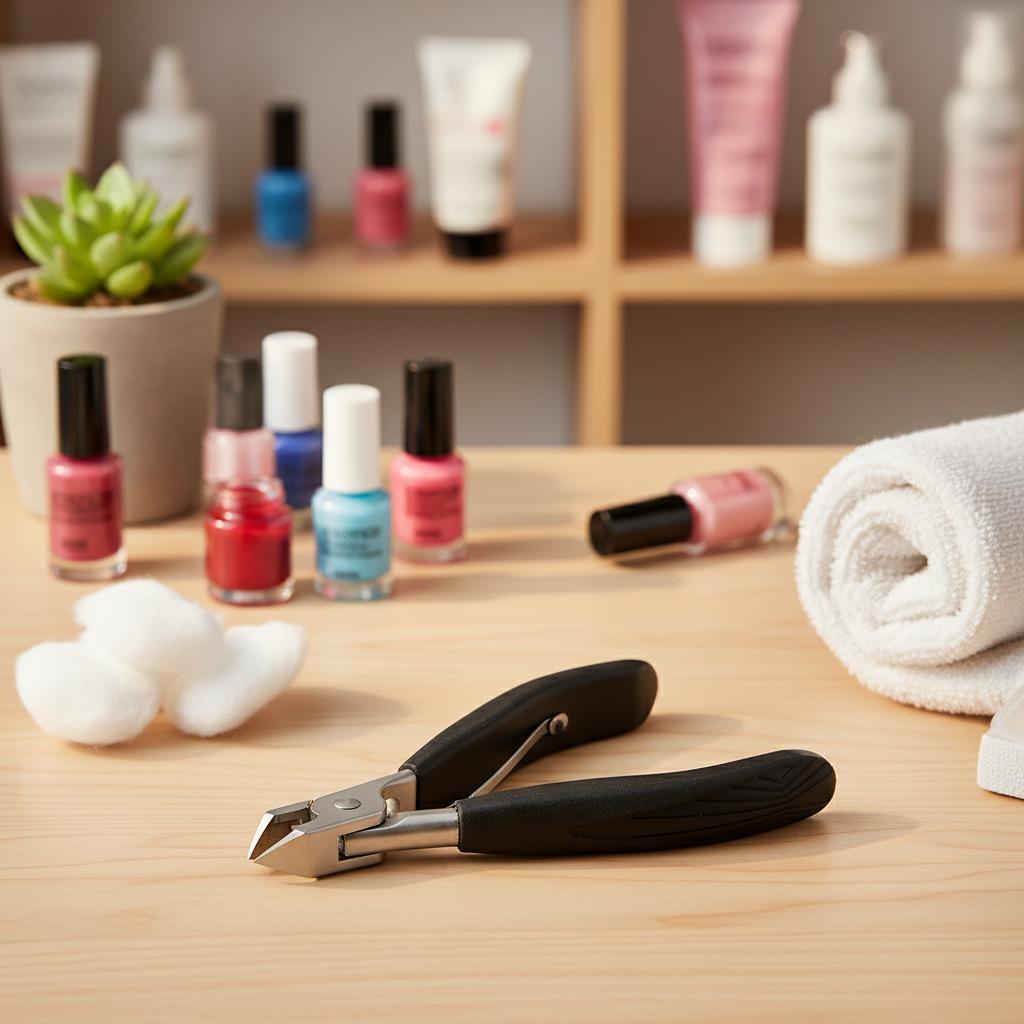
Custom Made Nail Clippers for B2B Beauty Supply Buyers
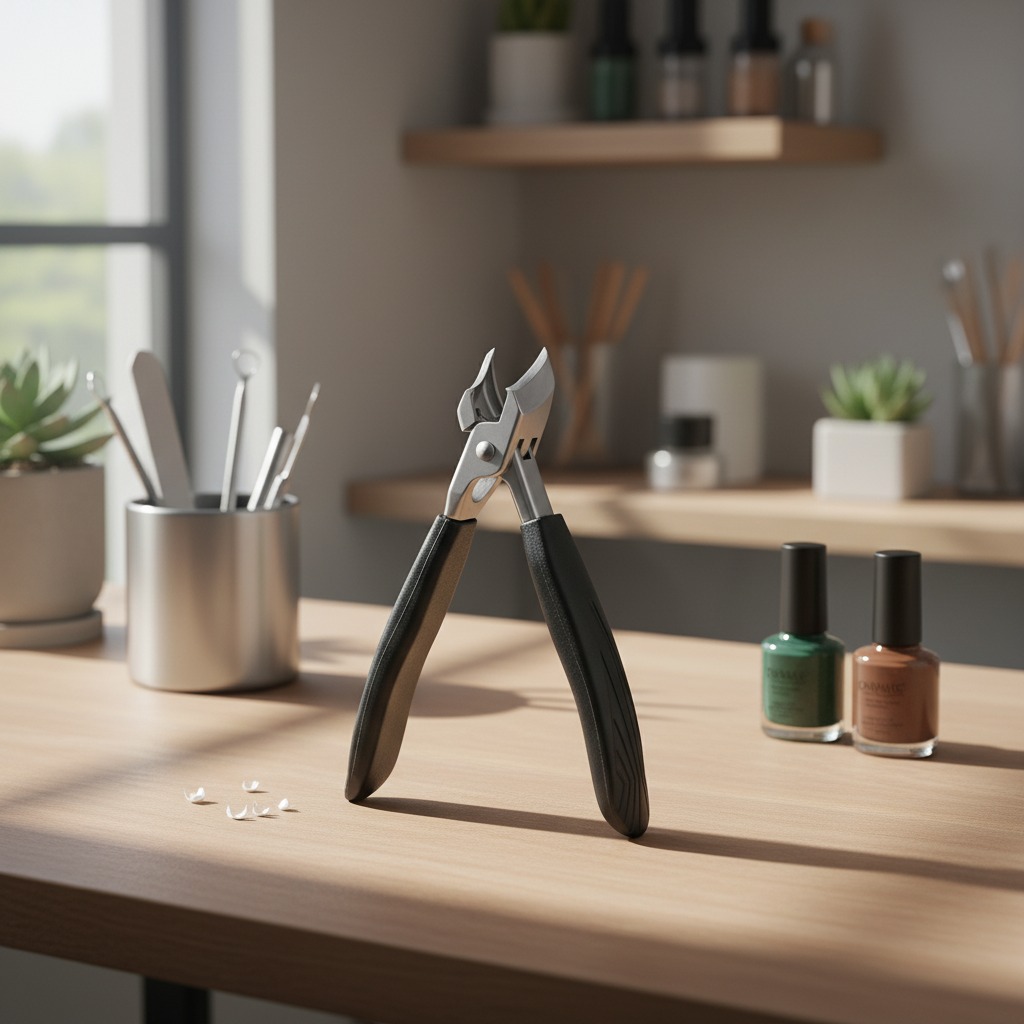
Custom made nail clippers are small grooming tools with a direct effect on customer satisfaction, repeat purchase potential and the perceived quality of a beauty tool range. For salons, spas, retailers, distributors, gift-set planners and private-label beauty brands, the right clipper must cut cleanly, feel controlled in the hand, fit the sales channel and remain consistent across bulk orders.
Olimor Beauty supplies B2B beauty tools for buyers who need practical grooming products with customization potential. This guide explains how to evaluate custom made nail clippers from a sourcing, product development and quality inspection perspective. It focuses on real selection factors: stainless steel construction, blade alignment, ergonomic grip, finish, packaging readiness, ODM planning and supplier communication.
Why Nail Clippers Matter in B2B Beauty Supply Programs
A nail clipper may look simple, but it sits at the intersection of personal hygiene, salon service, travel grooming, retail impulse purchasing and manicure kit planning. Because the end user handles the tool directly, small differences in cutting feel, grip, lever stability and surface finish are easy to notice.
For B2B buyers, nail clippers also have practical commercial advantages. They are compact, easy to merchandise, suitable for a wide audience and often purchased in multiples for home, handbag, salon station, travel kit or gift set use. They can be sold as standalone grooming essentials or combined with tweezers, files, scissors and other beauty tools.
The category is competitive, so appearance alone is not enough. A distinctive finish or logo placement cannot compensate for a cutter that pulls, bends, slips or feels rough in use. Buyers reviewing Olimor beauty tool products should compare nail clippers by function first, then by customization options.
What Makes a Custom Made Nail Clipper Suitable for B2B Buyers?
A B2B-ready nail clipper must satisfy several stakeholders at once. The purchasing team needs a product that fits margin and planning requirements. The product manager needs the tool to support the brand position. The warehouse or fulfillment team needs packaging that protects the product. The end user expects a clean cut without excessive force.
The first priority is mechanical alignment. The upper and lower cutting edges should meet evenly, without twisting, visible gaps or unstable contact. A clipper that feels heavy but has poor jaw alignment will still disappoint users. The lever should open and close smoothly, with controlled resistance rather than wobble or rough movement.
The second priority is hand feel. Ergonomic handles, non-slip textures and stable contact points help users maintain control. This is especially important for salon environments, travel users and customers who dislike small, slippery tools. Some Olimor product information describes ergonomic handles and textured geometric patterns designed to support a more secure grip. Where a design includes these details, buyers should confirm that the texture improves handling rather than adding decoration only.
The third priority is material and finish. Supplied product information identifies stainless steel construction as a key feature. Stainless steel is commonly valued for nail tools because it supports a solid structure, clean presentation and regular cleaning. Material selection is only the starting point; buyers should still check edge alignment, lever movement, surface smoothness, burr control and visible finish consistency.
Useful Customization Options in Nail Clipper ODM
Nail clipper ODM is most useful when it connects design choices to a real buyer need. Customization should not add complexity for its own sake. It should help the product match the target channel, user segment, packaging style and broader beauty assortment.
Blade Purpose and Cutting Curve
The cutting curve should match the intended use. A fingernail clipper generally needs a comfortable curve for everyday trimming, while larger or different formats may be selected for thicker nails or pedicure-focused sets. Supplied product information notes sharp, curved blades designed to follow the natural contour of the nail. Buyers should evaluate this by testing whether the clipper trims cleanly without splitting or crushing.
Handle Comfort and Grip Texture
Handle design affects daily usability. Ergonomic handles and non-slip surfaces can help users keep control, especially after hand washing, during manicure services or when the tool is used quickly. A smooth handle may look clean in photography, but it may be harder to control if the surface becomes damp. A textured geometric pattern can provide a clearer contact point while keeping the tool compact.
Size, Weight and Packaging Fit
Known product details from supplied information include a 90mm length, 60g weight and 15mm width for one clipper specification. These dimensions position the tool as compact enough for kits and retail packaging while still substantial enough to feel controlled in the hand. Buyers should confirm any final dimensions against the approved sample and packaging layout before production.
Size and weight affect hanging cards, boxes, pouches, insert trays, countertop displays, travel accessory bundles and carton planning. A clipper that fits well in packaging is less likely to move, scratch or appear poorly presented when it reaches the customer.
Visual Direction, Color and Branding
Supplied product descriptions include blue and silver as well as blue and black design directions. These two-tone styles can help a clipper look more distinctive than a plain metal tool. For private-label or retail programs, color direction, surface finish, logo placement and packaging artwork should support the buyer’s existing beauty line.
Logo placement should be visible but not interfere with grip, cleaning or cutting function. A logo that looks attractive in a mockup may be less practical if it sits where fingers press the tool or where surface wear is likely to appear first.
Adjustment Features and Product Explanation
One supplied product description mentions an adjustment mechanism with a textured dial. If a buyer selects a clipper with this feature, the dial should feel deliberate rather than loose, and its function should be easy for customers to understand. Packaging, instruction copy or e-commerce photography may need to explain the feature clearly; otherwise, users may not recognize why the tool differs from a standard clipper.
Comparison Checklist for Selecting Custom Made Nail Clippers
A structured checklist helps B2B teams avoid choosing based only on appearance or initial unit cost. The following table can be used when comparing samples, supplier proposals or ODM concepts.
| Evaluation Area | What to Check | Why It Matters |
|---|---|---|
| Cutting performance | Blade alignment, clean cut, trimming without tearing or crushing | Directly affects user satisfaction, reviews and repeat purchase potential |
| Lever action | Smooth pressure, stable pivot, no wobble or catching | Improves control and reduces user discomfort during repeated use |
| Grip and ergonomics | Handle shape, non-slip texture, pressure points and hand comfort | Supports salon use, travel use and everyday grooming confidence |
| Material and finish | Stainless steel construction, surface smoothness, burr control and finish consistency | Influences durability perception, clean handling and retail presentation |
| Size and weight | Final dimensions, hand feel and fit with trays, cards, pouches or boxes | Affects packaging design, merchandising and perceived product value |
| Brand presentation | Logo position, color direction, instruction space and product naming | Helps the clipper fit retail, professional or private-label programs |
| Quality checks | Inspection from raw materials through final packaging and batch consistency | Reduces risk of inconsistent bulk orders and downstream complaints |
How to Judge Nail Clipper Quality During Sampling
Sampling is one of the most important stages in sourcing a custom made nail clipper. A sample should not be judged only by appearance on a desk. It should be handled, pressed, inspected, packed and tested in a realistic way against the intended use case.
Start with jaw alignment. When the clipper closes, the cutting edges should meet evenly from side to side. Visible gaps, twisting or uneven contact may lead to ragged trimming. Then press the lever several times to assess movement. The lever should feel stable and controlled, not loose, sharp-edged or difficult to operate.
Inspect the underside, corners and lever edges for burrs or rough areas. Small defects can catch skin, packaging or fabric pouches, and they make the product feel unfinished. Surface checks should include scratches, stains, inconsistent polishing and color irregularity where a two-tone design or coating is used.
For bulk programs, buyers should not rely on one perfect sample. Ask how production samples will be compared with the approved reference sample, and discuss how random checks will be distributed across cartons. Public standards such as ISO 2859-1 for sampling procedures and ISO 9001 as a quality management framework may be useful reference points during supplier discussions. Buyers should verify the applicable version, scope and supplier documentation themselves, and should not assume any certification unless the supplier provides valid evidence.
Matching Nail Clippers to Sales Channels
Different B2B buyers may choose the same custom made nail clipper for different reasons. The best product choice depends on where the clipper will be used, how it will be sold and what the customer expects at first glance.
Salons and Spas
Salon and spa buyers usually prioritize handling, reliability and cleaning-friendly design. Staff may use grooming tools repeatedly, so a clipper with a comfortable lever, stable grip and smooth operating feel is easier to integrate into daily service. Overly decorative shapes can create hard-to-clean grooves unless they serve a practical purpose.
Retail Beauty Ranges
Retail buyers need a product that shoppers can understand quickly. Packaging should communicate the main use clearly: everyday nail trimming, travel grooming, thick nail support, gift set inclusion or professional-style home care. Avoid broad claims that the tool does not visibly support. Clear positioning often performs better than generic beauty language.
Distributors and Wholesalers
Distributors often need flexibility. A nail clipper that works for both home users and professional customers can simplify inventory and improve reorder potential. They may care about carton efficiency, repeatable specifications, stable packaging dimensions and simple product differentiation across accounts.
Private-Label and Gift-Set Brands
Private-label buyers often need visual harmony across a wider assortment. If the clipper is sold with tweezers, files, scissors or grooming accessories, the finish, size and packaging should feel coordinated. Buyers planning a broader range can review Olimor product collections to consider how nail clippers may fit within a complete personal care line.
Cost Factors Without Reducing Quality to Price Alone
Many buyers search for cost-effective or cheap nail clippers in bulk, but cost-efficient should not mean careless. The final cost of a custom made nail clipper can be influenced by material selection, size, finish complexity, handle structure, color direction, packaging format, logo requirements, inspection expectations and order planning.
A basic off-the-shelf clipper may suit simple promotional use, while an ODM clipper may be better for a private-label beauty range, salon supply program or retail set where differentiation matters. Buyers should decide which qualities are non-negotiable before negotiating cost. For nail clippers, blade alignment, lever action, burr control and packaging protection should remain priorities even in price-sensitive programs.
It is also important to evaluate total commercial risk. A slightly lower unit cost may not be beneficial if the product creates returns, complaints or inconsistent repeat orders. Supplier evaluation should include sample quality, communication clarity, inspection process, packaging support and willingness to define an approved reference sample.
Supplier Evaluation Questions for B2B Buyers
Before confirming a custom made nail clipper project, prepare a short product brief. The brief should state the target channel, expected user, packaging plan, preferred visual direction, functional priorities and quality inspection focus. This makes supplier discussion more practical and reduces misunderstanding during sampling.
- Target user: Is the clipper for salon technicians, everyday retail shoppers, travel users, gift-set customers or distributors serving multiple channels?
- Function priority: Is the main requirement everyday trimming, thicker nail support, compact portability, professional handling or coordinated set inclusion?
- Material and finish: What stainless steel construction, surface finish and appearance expectations should the approved sample represent?
- Grip requirement: Should the handle be smooth, ergonomic, textured, patterned, two-tone or designed with an adjustment feature?
- Packaging needs: Will the product be sold on a card, in a box, in a pouch, in a kit or through e-commerce fulfillment?
- Inspection plan: How will blade alignment, lever movement, finish, burrs, logo placement and final packaging be checked?
If your team is ready to compare samples or discuss a B2B project, you can send a nail clipper inquiry with your target channel, packaging expectations and customization priorities. Olimor can then respond based on the project details rather than a vague product request.
Practical Quality Control From Raw Materials to Final Packaging
Supplied product information notes quality assurance from raw material inspection to final packaging. For buyers, this should translate into a clear checklist of what the finished clipper must do and how consistency will be assessed.
Raw material and component checks help confirm that the product starts from the agreed specification. In-process checks should focus on cutting edge formation, assembly, lever movement and surface finishing. Final inspection should verify appearance, function, packaging cleanliness and carton condition. The approved sample should remain the shared reference for acceptable size, finish, weight, lever feel and cutting performance.
For retail and private-label programs, packaging inspection is especially important. A clipper may cut well but still disappoint customers if the box is crushed, the product moves inside the package, the branding is unclear or the surface arrives scratched. Packaging should protect the tool and support the sales channel at the same time.
FAQ: Custom Made Nail Clippers for B2B Orders
Can B2B buyers request samples before placing a bulk order?
Sample review is an important step for custom made nail clippers. Buyers should use samples to check cutting alignment, lever action, grip comfort, finish consistency, packaging fit and whether the tool matches the intended sales channel.
Can Olimor support customization for private-label nail clippers?
Olimor works with B2B beauty tool buyers on customization discussions such as appearance direction, grip preferences, logo placement, packaging format and product positioning. Available options should be confirmed against the specific project and approved sample.
What MOQ or lead time should buyers expect?
MOQ and lead time depend on the clipper design, customization scope, packaging requirements and order plan. Buyers should contact Olimor with the product brief so the team can review the request instead of relying on a generic estimate.
What quality checks matter most for bulk nail clipper sourcing?
Key checks include blade alignment, clean trimming performance, lever stability, burr control, surface finish, logo placement, packaging protection and consistency across cartons. Buyers should keep an approved reference sample for comparison.
How should buyers start a custom nail clipper project?
Start by defining the target user, sales channel, desired finish, grip style, packaging format and inspection priorities. To discuss a specific project, contact Olimor through the contact page with your sourcing requirements.
Tag: