

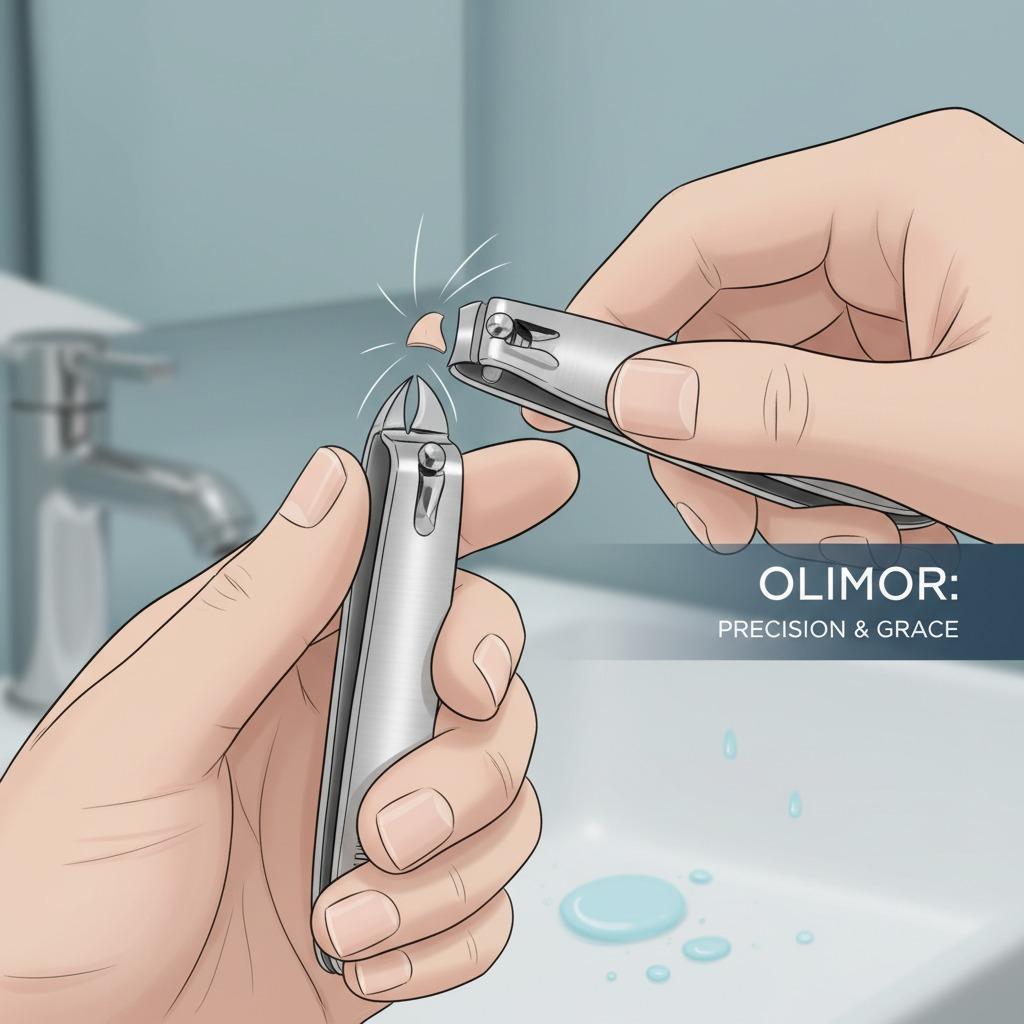
Olimor Beauty Stainless Steel Nail Clipper: A Practical Guide for Clean, Controlled Trimming
A good nail clipper should do a simple job consistently: cut the nail cleanly without crushing, tearing, or forcing you to repeat the same cut several times. Olimor Beauty’s nail clipper is designed for everyday grooming, travel kits, personal care retail assortments, and beauty tool sourcing projects where a compact stainless steel trimming tool is needed. Its visible design details include a stainless steel body, curved cutting edge, and an ergonomic handle with a heart-embossed detail, giving the tool a recognizable look while keeping the focus on controlled trimming.
For consumers, the key question is whether the clipper feels stable in the hand and produces a smooth cut. For retailers, salons, distributors, and private-label buyers, the question is broader: does the tool fit the intended user, packaging format, and quality expectations of the channel? This guide explains how to evaluate the product, use it correctly, and maintain it so that the clipper remains practical over time.
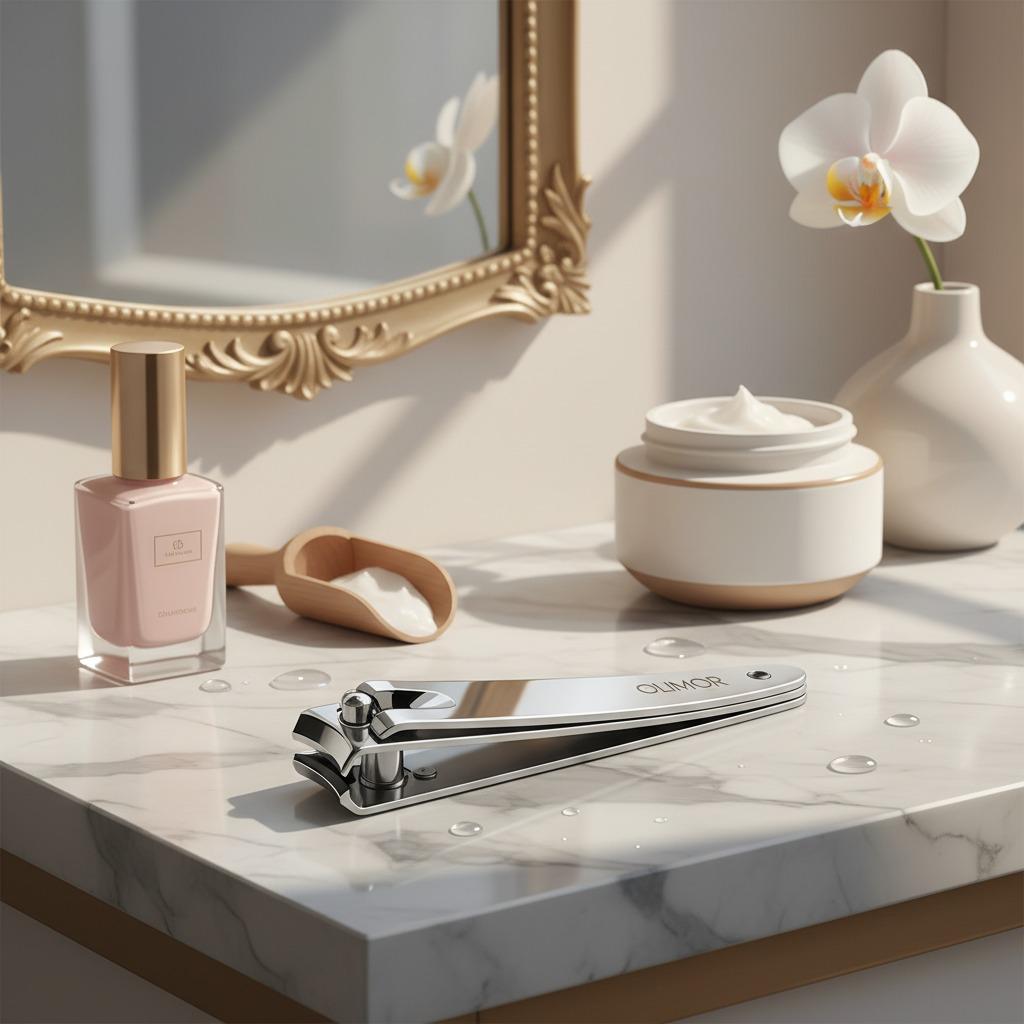
What Makes This Nail Clipper Suitable for Everyday Grooming?
The most important feature of any nail clipper is the relationship between the blade shape, hand pressure, and nail thickness. This Olimor Beauty nail clipper uses a curved blade profile, which helps follow the natural arc of fingernails and many toenails. A curved cutting edge is useful when the user wants a rounded or gently squared shape because it supports small, controlled cuts instead of one large, risky cut across the entire nail.
The stainless steel construction is another practical advantage. Stainless steel is commonly used in grooming tools because it is firm, easy to wipe clean, and better suited to humid bathroom environments than many lower-grade plated materials. For a nail clipper, material stability matters because the cutting edges need to remain aligned during repeated use. While any personal care tool should be cleaned and stored properly, stainless steel gives buyers a sensible foundation for long-term use.
The heart-embossed handle detail also has a functional role beyond decoration. A textured or shaped handle can help the user recognize finger placement and keep a steady grip. When trimming nails, especially toenails or harder nails, a stable grip reduces the chance of twisting the clipper or cutting too deeply at the corners.
Best Uses: Fingernails, Toenails, Travel, and Retail Kits
This clipper can be used for both fingernails and toenails, but technique should change depending on nail type. Fingernails are usually thinner and easier to shape, so short, light clips are enough. Toenails are often thicker and flatter, so the user should work slowly from one side to the other and avoid cutting deeply into the side edges.
For personal use, the compact format makes the clipper practical for bathroom drawers, handbags, gym bags, and travel grooming pouches. For business buyers, it may fit several product concepts: a basic nail care set, a travel manicure kit, a promotional grooming accessory, or a standalone stainless steel beauty tool. If you are comparing related items across the Olimor catalog, start with the broader range of beauty tool products to see how a nail clipper could sit alongside tweezers, scissors, lash tools, or other grooming accessories.
Because a nail clipper is a frequently handled item, sourcing decisions should consider both the tool itself and the final user experience. Does the lever move smoothly? Does the cutting edge meet evenly? Is the grip comfortable for different hand sizes? Is the size suitable for the intended package? These details influence customer satisfaction more than decorative claims.
How to Use the Nail Clipper for a Cleaner Cut
Good technique prevents many common nail problems, including rough edges, splitting, and over-cutting. Trimming should never feel rushed. Nails are easier to cut after washing hands, bathing, or showering because they are slightly softer. If nails are very dry or brittle, applying hand cream beforehand and waiting a few minutes can make trimming more comfortable.
- Clean the clipper before use. Wipe the cutting area with a clean tissue or suitable sanitizing wipe, especially if the tool is shared within a household.
- Choose the nail length before cutting. Leave a small white edge rather than trimming flush to the skin. Cutting too short can cause soreness and increase the risk of irritation.
- Clip in small sections. Instead of cutting across the full nail in one press, make two to four small clips following the natural curve.
- Keep the clipper level. Avoid twisting the tool while pressing down. A straight, stable press gives the cleanest result.
- Shape after clipping. Use a file to smooth corners or refine the edge. The clipper shortens the nail; the file finishes the shape.
- Moisturize skin and cuticles. Hydrated skin around the nail helps the finished trim look cleaner and feel more comfortable.
For toenails, trim more conservatively. A straighter edge with lightly softened corners is often safer than a deep rounded cut, particularly for people prone to pressure at the nail sides. If a nail is painful, discolored, unusually thick, or ingrown, it is better to seek appropriate professional care rather than force the cut with any clipper.
Selection Criteria for Buyers and Product Teams
When sourcing a nail clipper for resale, gift sets, or beauty tool collections, visual appeal should be balanced with measurable, hands-on checks. The product must look good in packaging, but it also needs to perform reliably once opened. Before adding a nail clipper to a program, evaluate a sample under realistic use conditions.
- Blade alignment: The upper and lower cutting edges should meet evenly when the lever is pressed.
- Cutting feel: The clipper should cut with firm, controlled pressure, not excessive force or a loose, uneven snap.
- Edge finish: After clipping, the nail should not show obvious crushing, bending, or jagged breaks.
- Handle comfort: The ergonomic handle should provide a secure hold without sharp edges where the finger presses.
- Surface finish: Stainless steel surfaces should be smooth enough for comfortable handling and easy cleaning.
- Packaging fit: Confirm whether the clipper size and shape work with the intended box, pouch, blister card, or kit layout.
- Target user: Decide whether the product is positioned for daily home grooming, travel use, salon retail, gifting, or an entry-level nail care set.
If you are building a coordinated assortment, review Olimor’s product collections to compare categories and plan a cohesive beauty tool range. For sourcing discussions, artwork requirements, packaging preferences, or product matching, you can also send an inquiry with your project details.
Cleaning, Storage, and Maintenance
Even a stainless steel nail clipper needs basic care. After each use, remove nail dust and small clippings from the jaw area. A dry tissue is often enough for quick cleaning, while a soft brush can help remove particles around the hinge and cutting edge. If the clipper is wiped with a damp cloth or sanitizing wipe, dry it completely before storage.
Store the clipper in a dry place rather than leaving it in standing water or in a consistently damp shower area. Moisture, cosmetic residue, and skin oils can build up over time, reducing the clean appearance of the tool and making the hinge feel less smooth. For travel, keep it in a pouch or small compartment so the cutting edge does not rub against other metal objects.
Personal grooming tools are best kept for individual use. If a clipper is used in a shared setting, cleaning between users becomes more important. Retailers and salons should also consider how customers will care for the tool after purchase; simple care instructions on packaging or inserts can reduce misuse and improve satisfaction.
Common Nail Clipping Mistakes to Avoid
Many trimming problems come from technique rather than the tool itself. One common mistake is cutting nails too short. This can make fingertips tender and may encourage the nail edge to press into surrounding skin as it grows. Another mistake is trying to remove a large section of nail in one cut. Large cuts put more stress on the nail plate and can leave uneven corners.
Do not use a nail clipper as a scraper, wire cutter, craft tool, or cuticle remover. It is designed for nail edges only. Using it on hard non-nail materials can affect cutting performance and alignment. It is also better not to clip nails when they are extremely brittle or cracked; soften them first and remove length gradually.
Finally, do not skip filing. A clipper creates the main length, but even a clean cut can leave small angles that catch on fabric or hair. A few gentle strokes with a nail file can make the difference between a basic trim and a neat finished result.
When This Olimor Beauty Nail Clipper Is the Right Choice
Olimor Beauty’s stainless steel nail clipper is a strong fit when the priority is a compact, practical grooming tool with a clean metal finish, curved blade, and controlled handle design. It suits everyday users who want simple at-home trimming and buyers who need a versatile nail care item for kits, retail shelves, or travel-focused assortments.
The best results come from pairing the right product with the right habits: trim softened nails, cut in small sections, follow the natural nail shape, file the edge, and clean the tool after use. For businesses comparing nail tools or building a beauty accessory program, the next step is to evaluate the clipper within the intended packaging, price position, and end-user scenario. To discuss product options or sourcing requirements, contact Olimor with the details of your project.
Tag: